Skip to content Skip to footer

Caiman Research Course

Caiman Research Course

Crocodilian Field Methods in the Amazon

Capture, Study and Tag Wild Caiman in the Amazon

A 3-week intensive field course focused on real crocodilian research and population monitoring.

Overview

The Hoja Nueva Caiman Research Course is a highly immersive, field-based program designed for individuals interested in or passionate about the research and conservation of crocodilians.

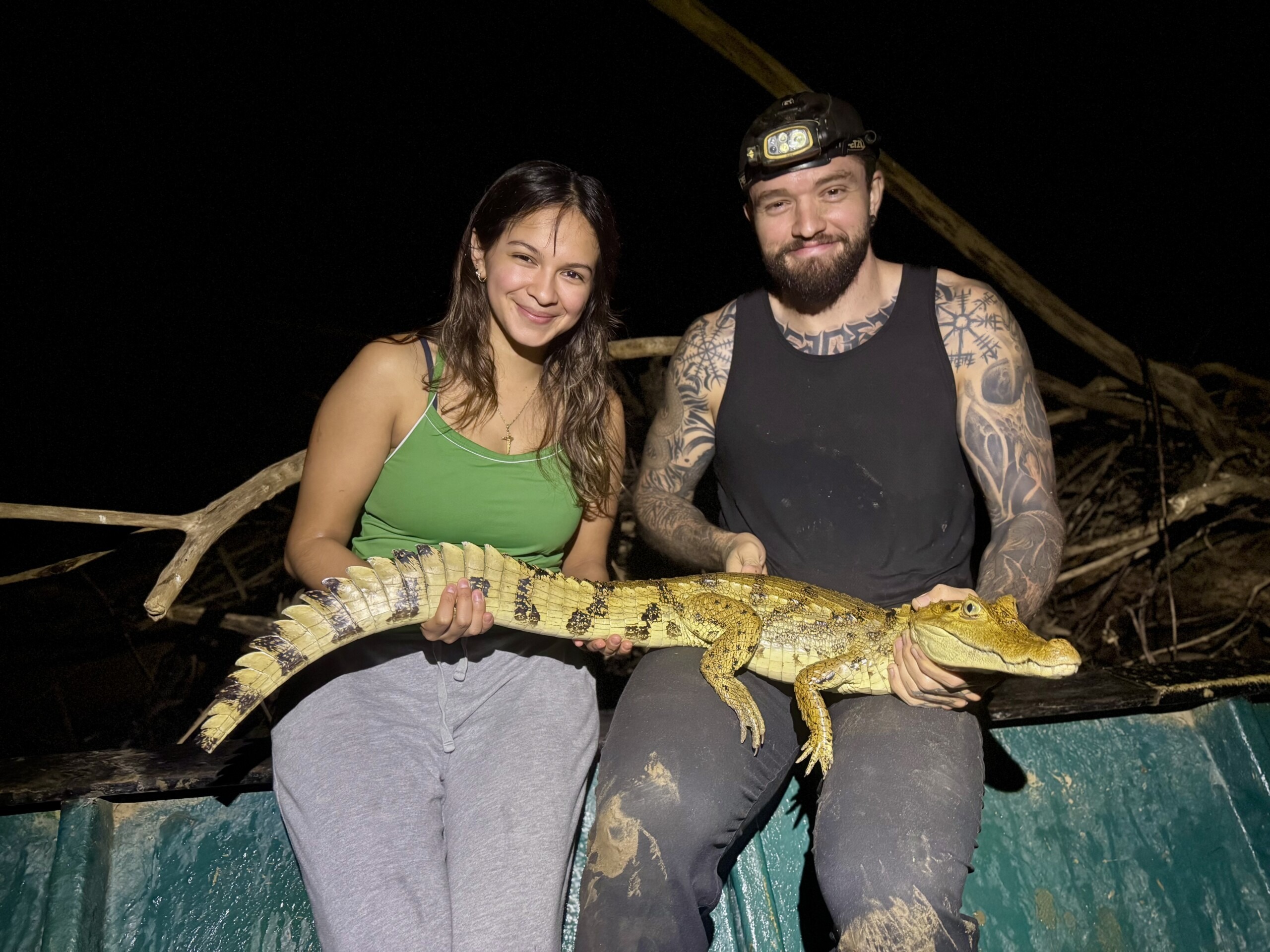
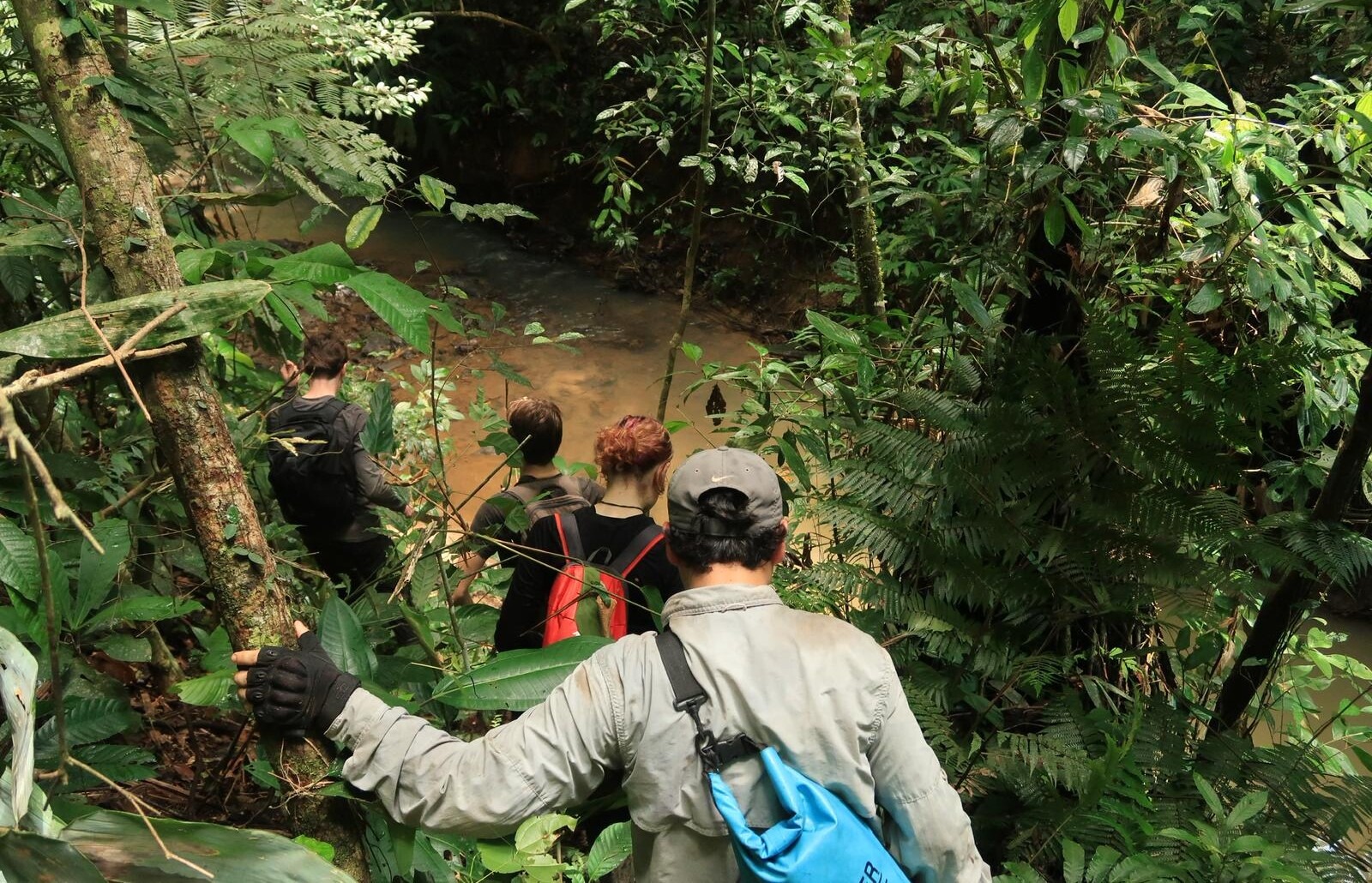
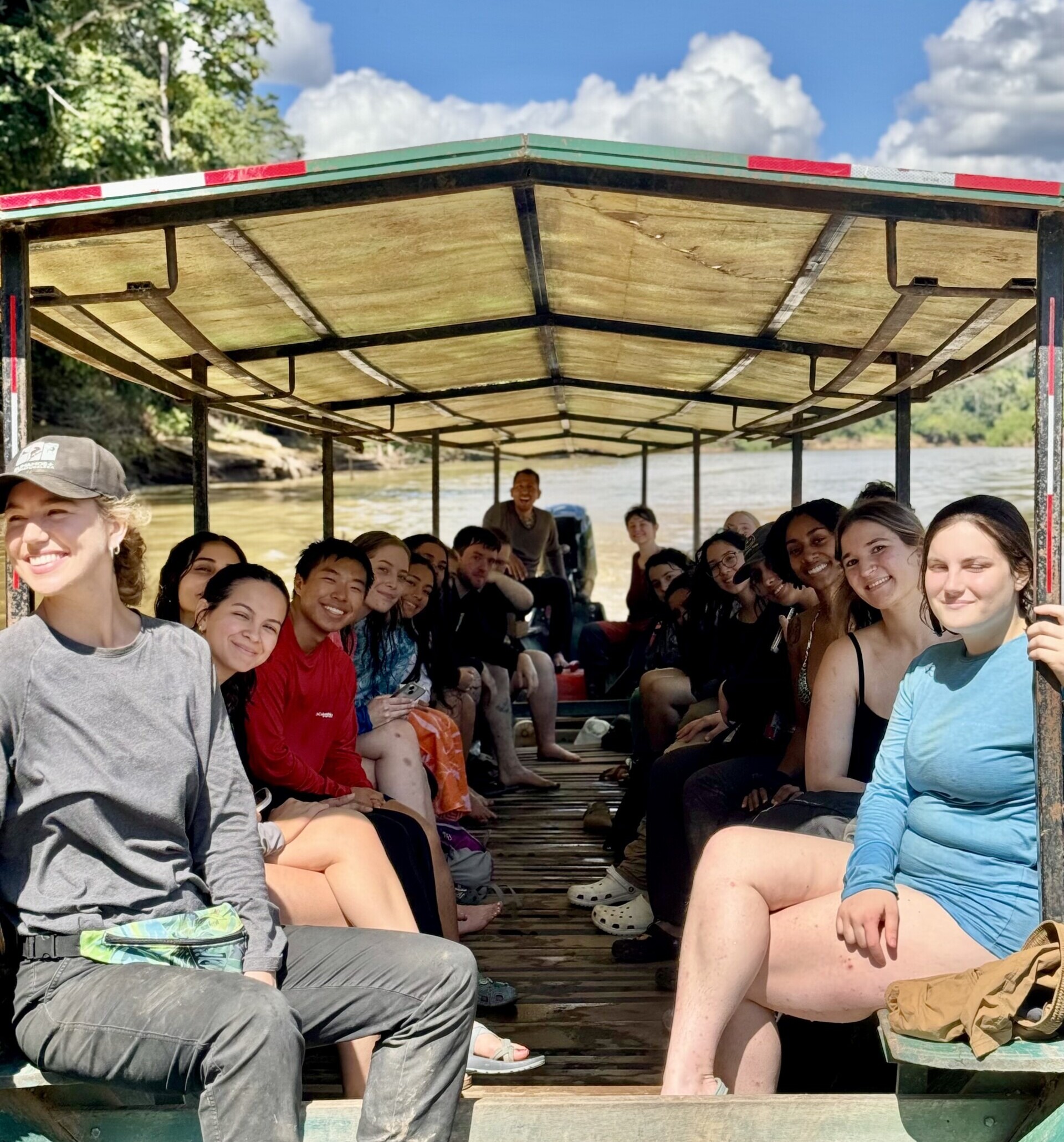
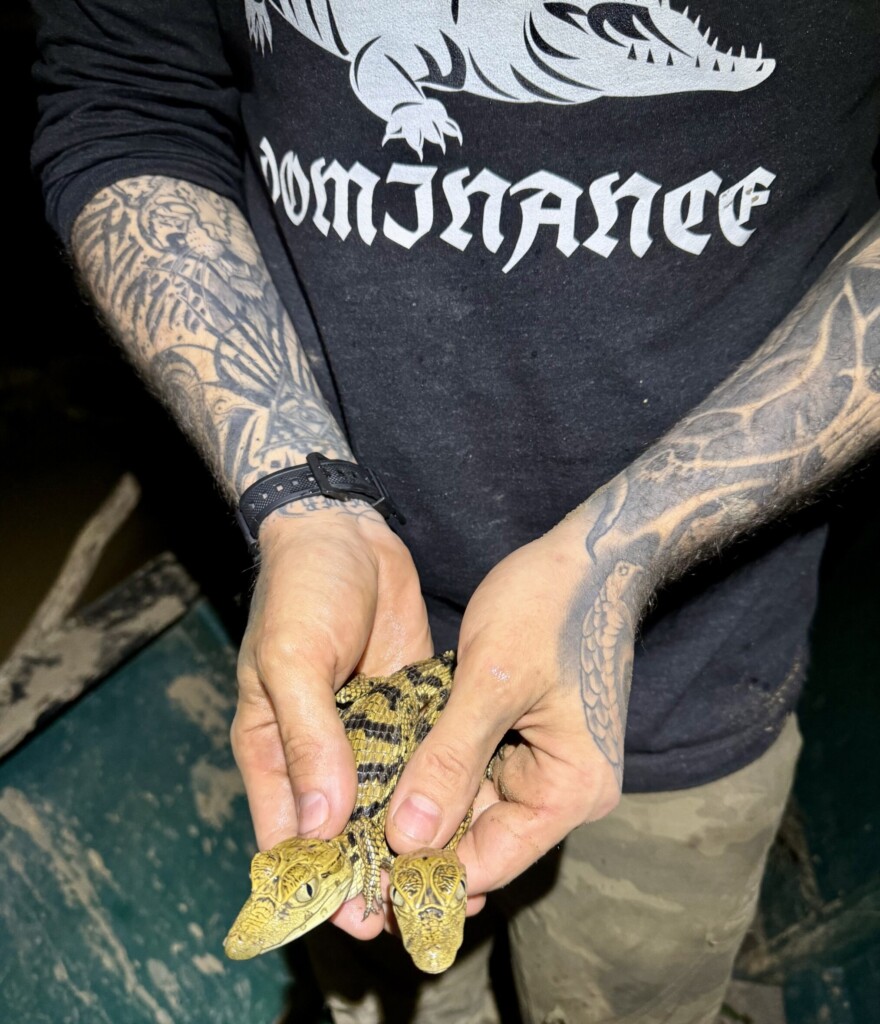
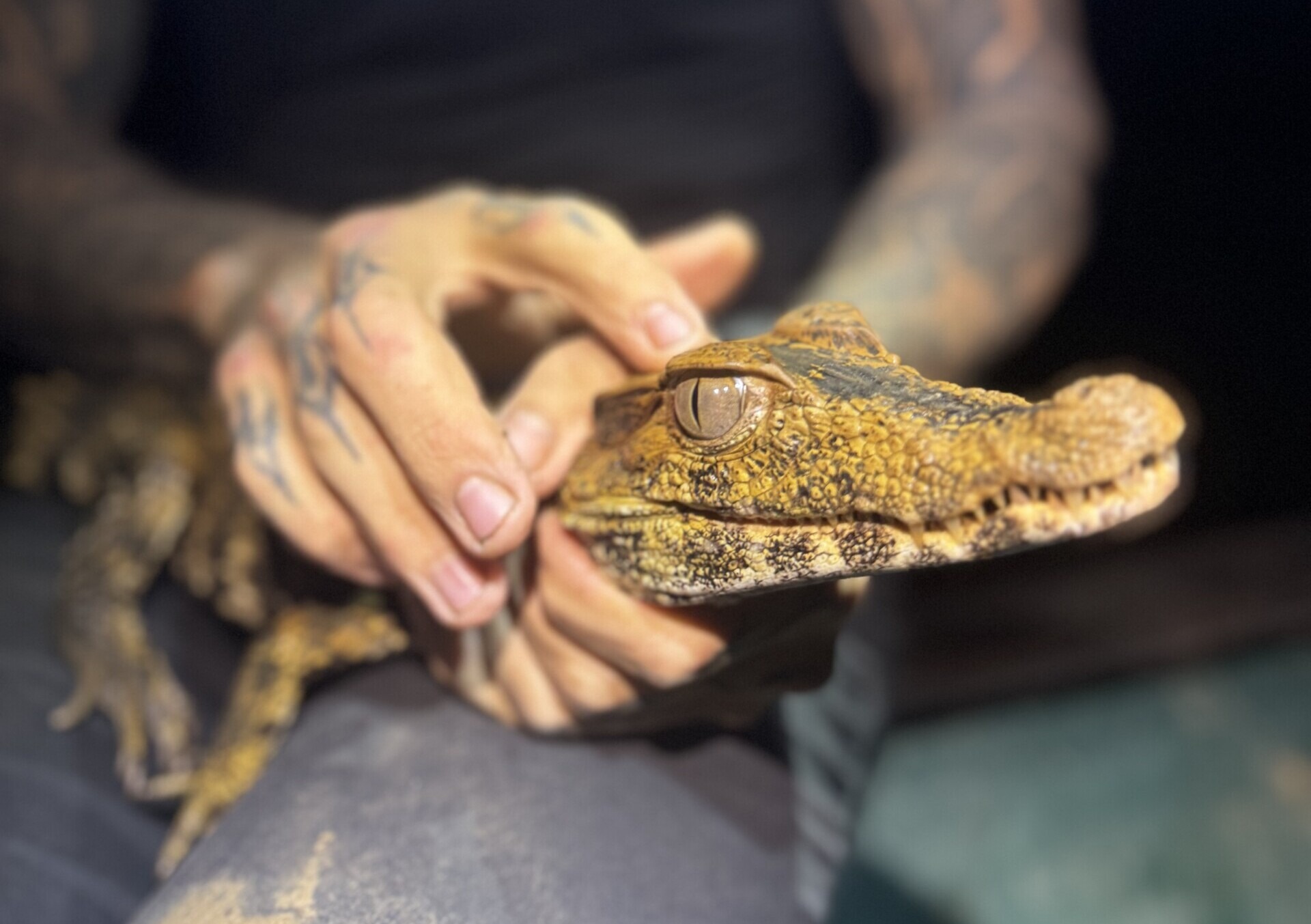
Set along the Las Piedras River in the Peruvian Amazon, this course provides hands-on training in crocodilian research methods through real data collection on wild caiman populations. Participants work directly with experienced field researchers to study three species:

  • Spectacled caiman (Caiman crocodilus)
  • Dwarf caiman (Paleosuchus trigonatus)
  • Black caiman (Melanosuchus niger)

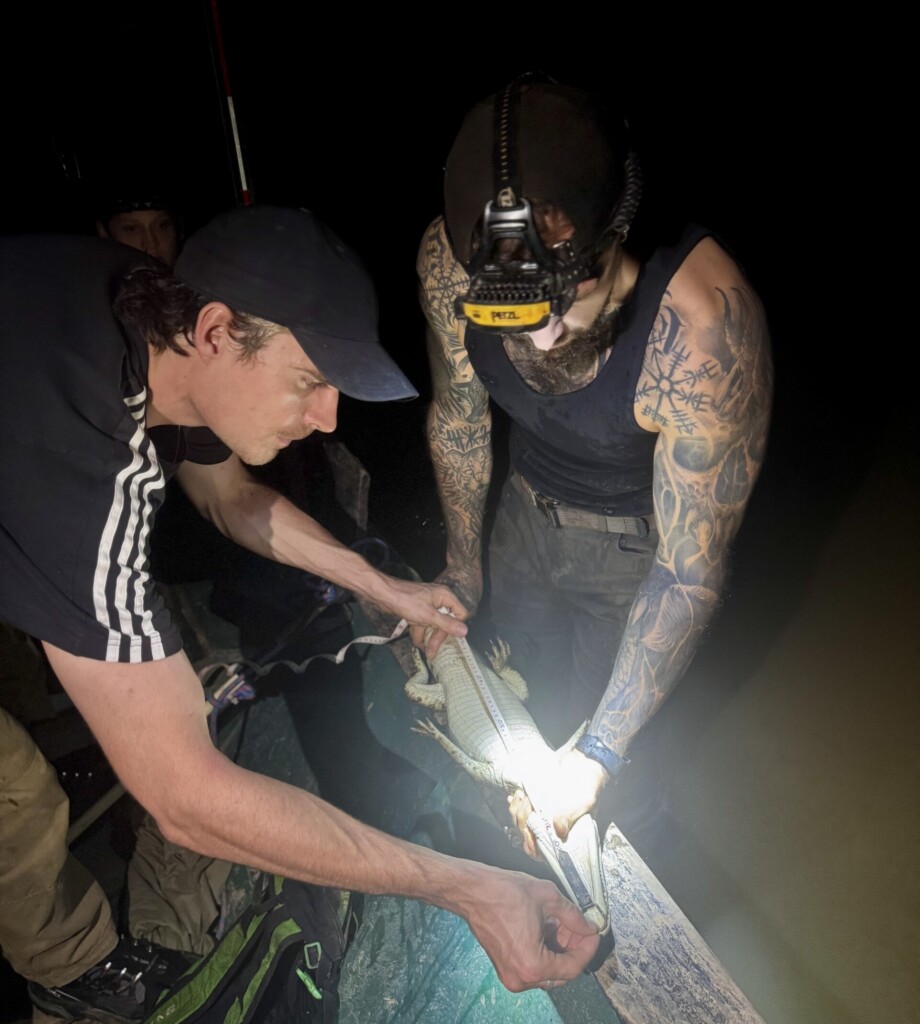
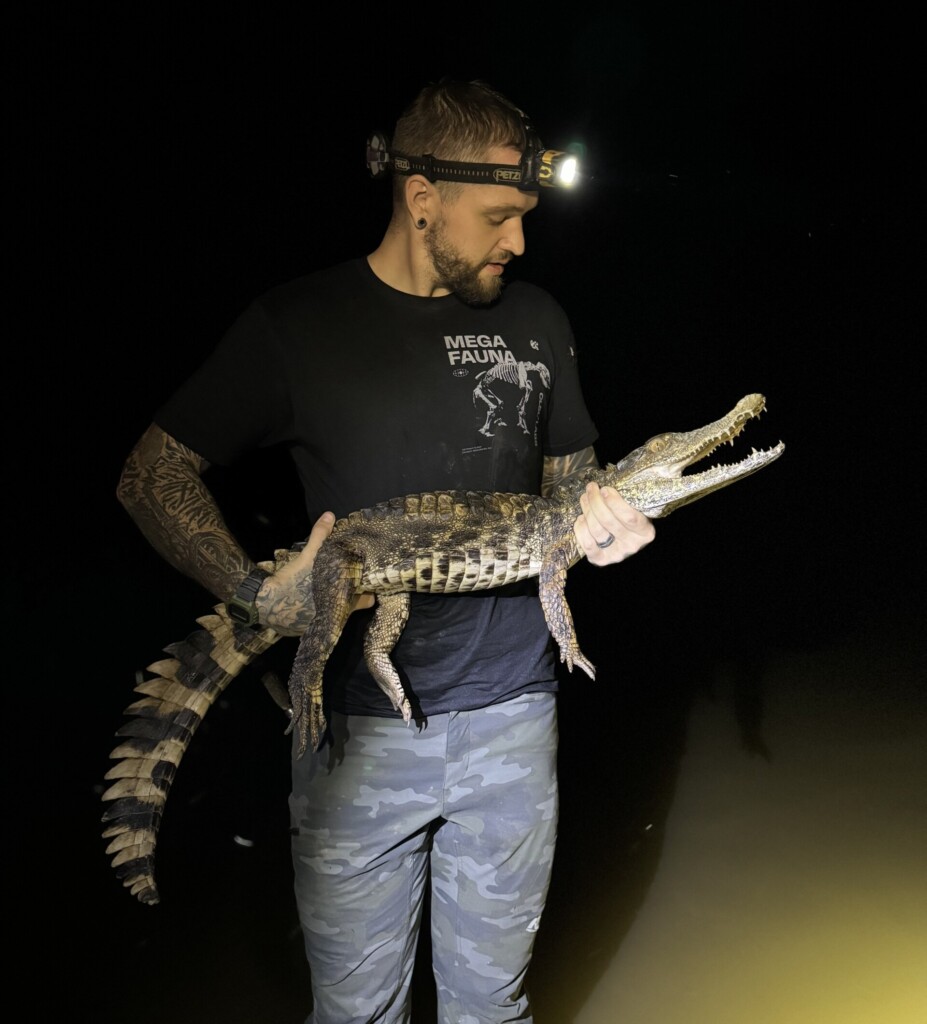
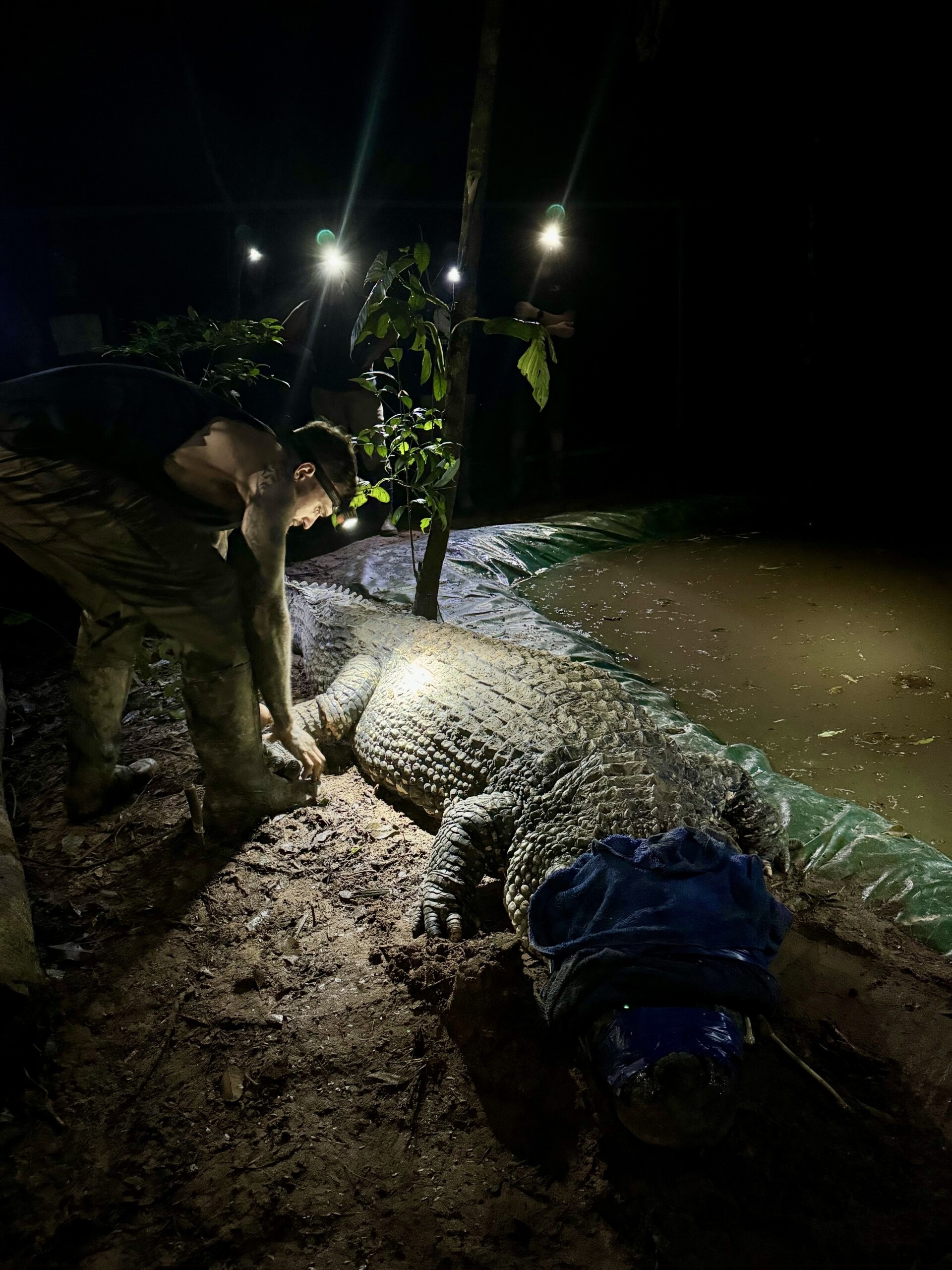
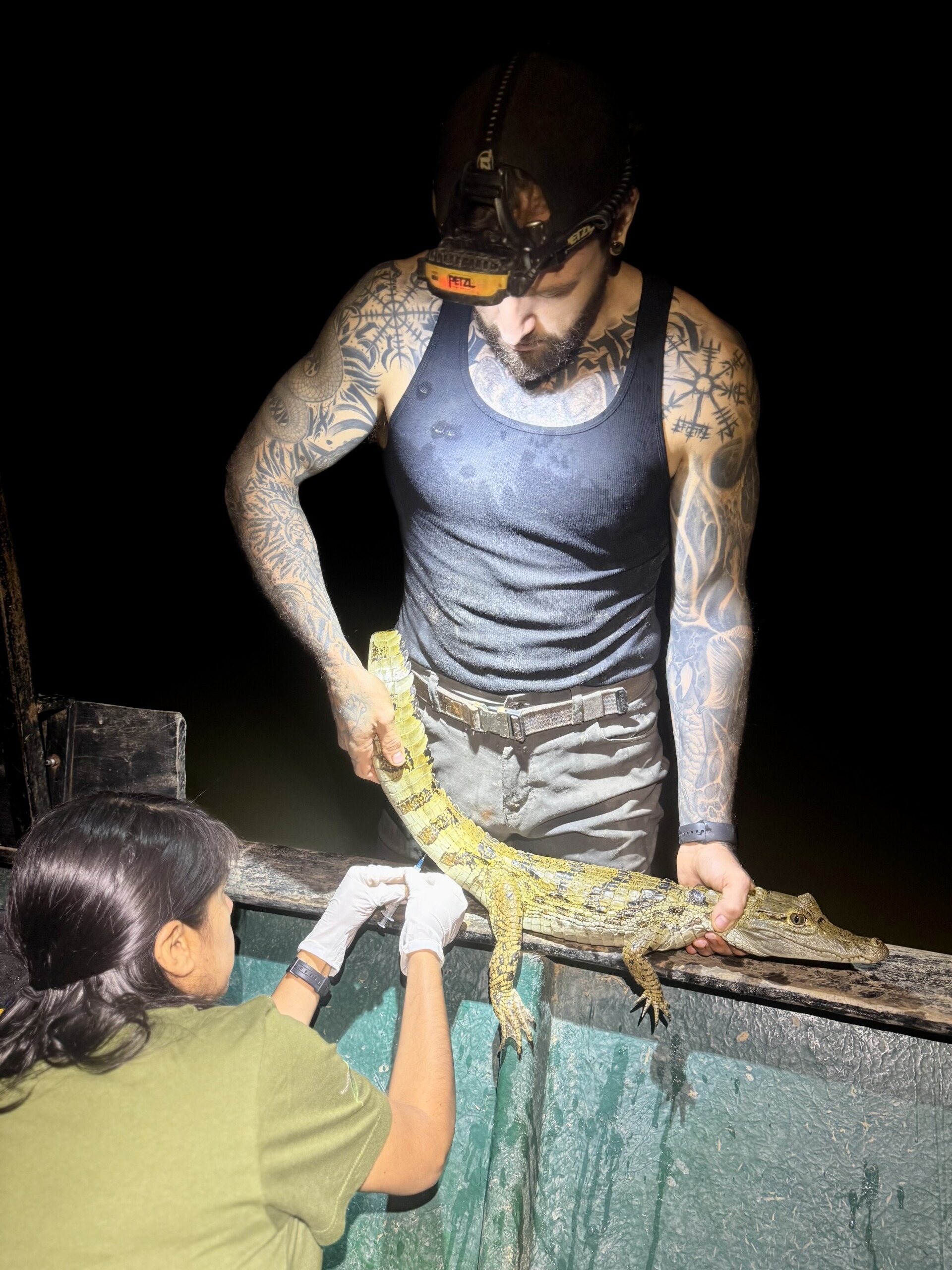
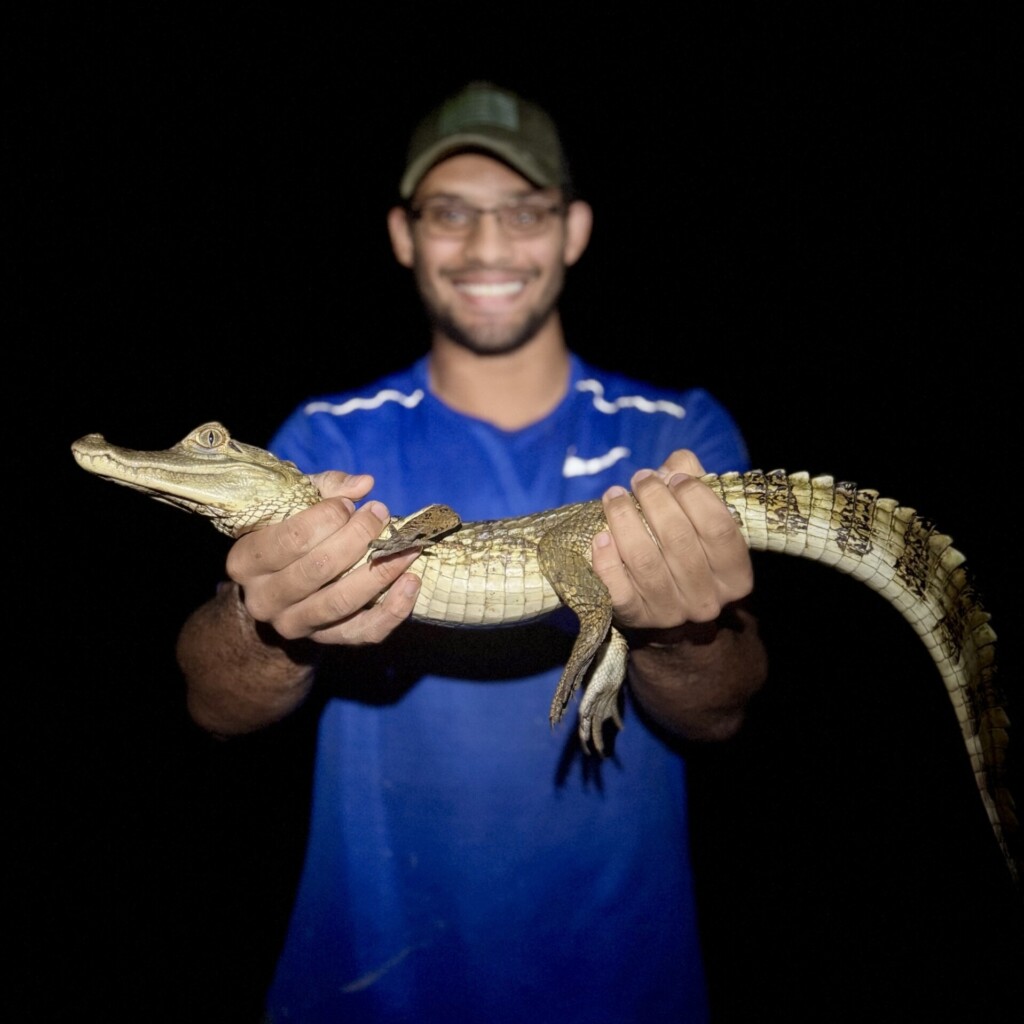
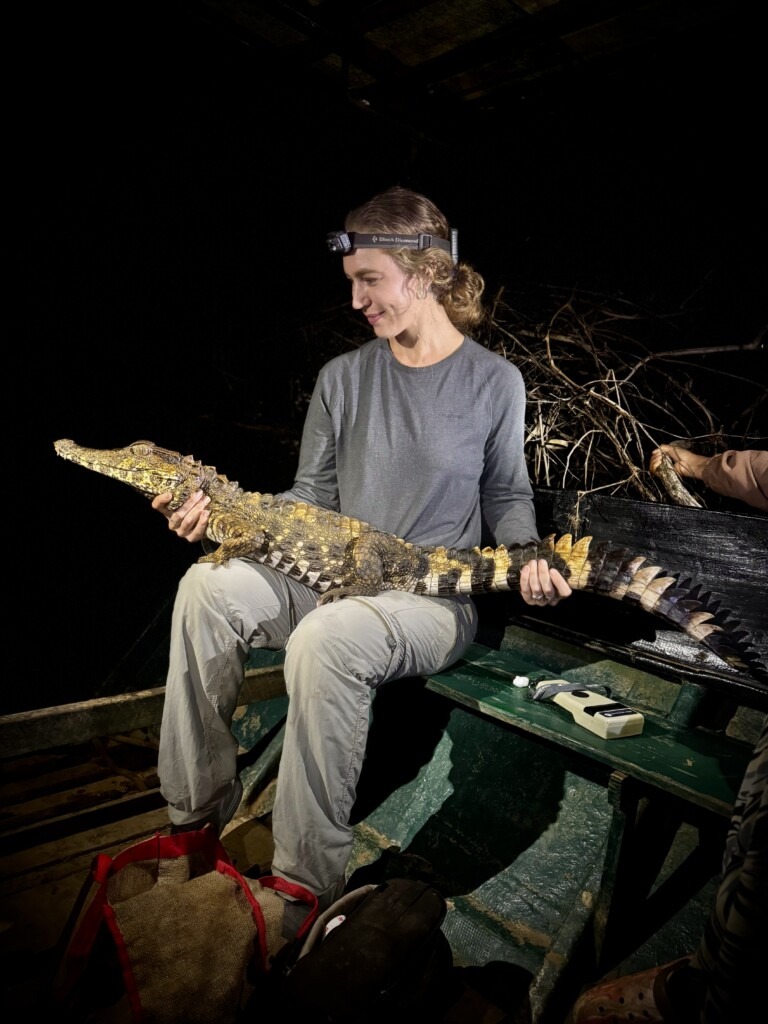
This is not a simulated or observational experience—participants are actively involved in capturing, handling, measuring, and tagging wild animals as part of ongoing long-term research.

What You'll Do

Your time in the course is split between daytime theory and nighttime fieldwork, reflecting how real crocodilian research is conducted.

🌙 Night Fieldwork 

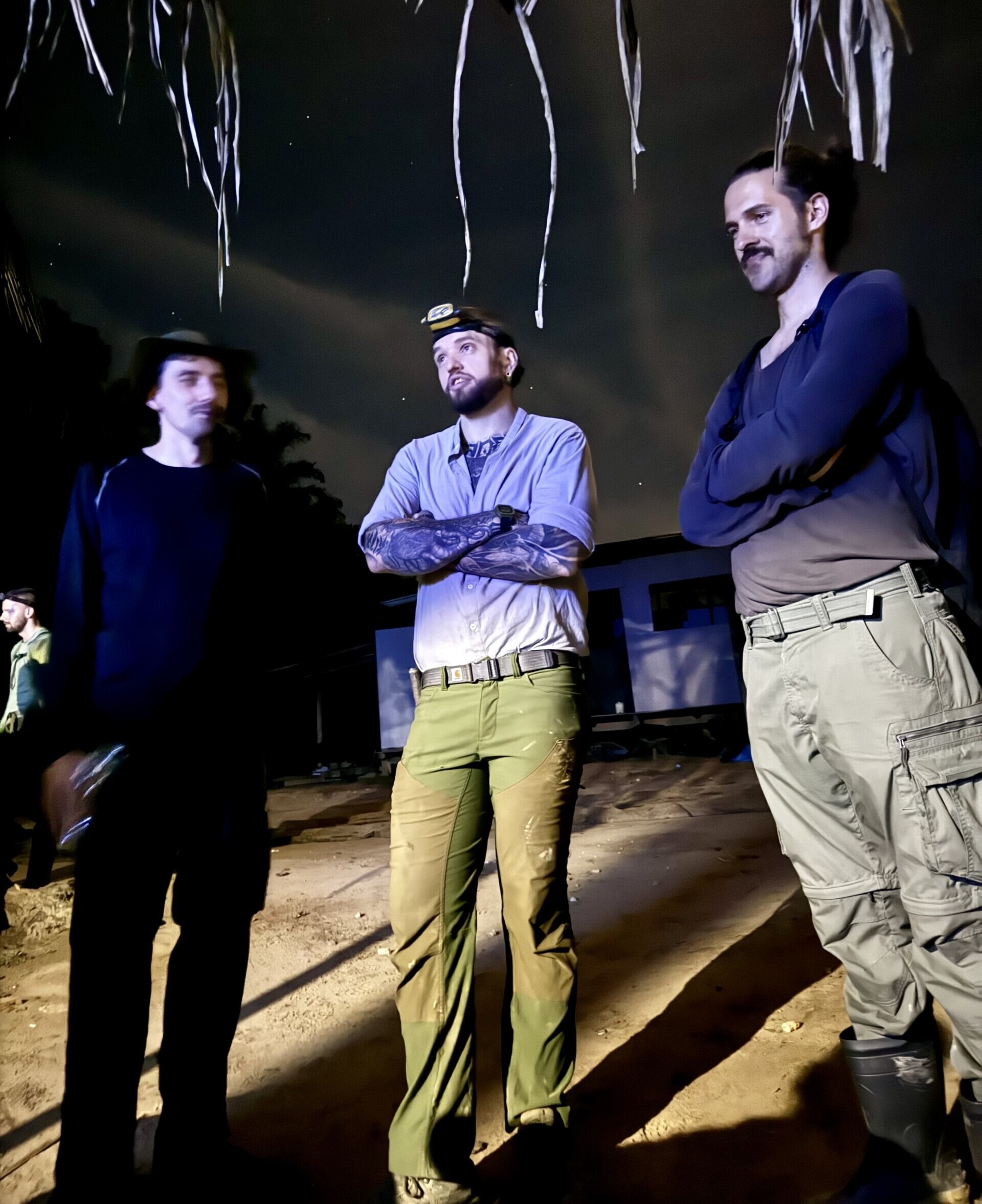
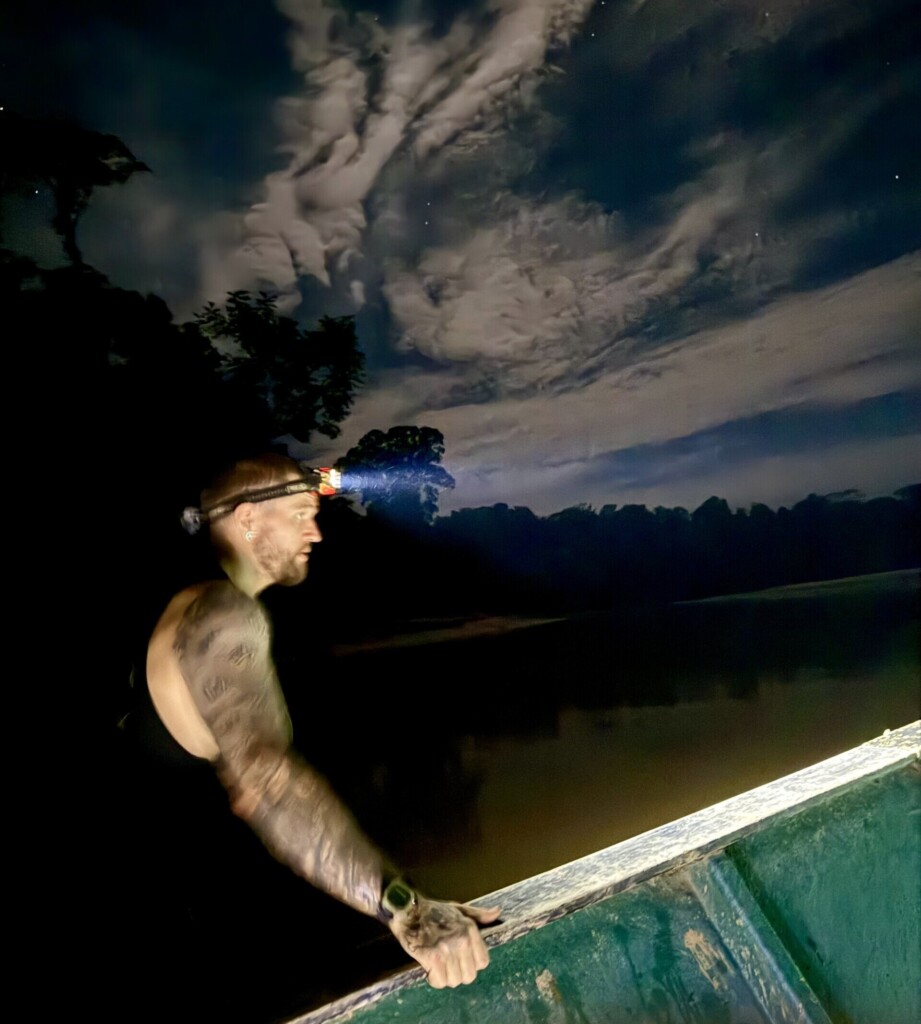
Most nights are spent on the river conducting active surveys and captures.

Participants will learn to:

  • Navigate rivers at night using spotlight surveys
  • Identify caiman through eye shine detection
  • Assist in capture from the boat
  • Safely handle and restrain animals
  • Conduct full biological measurements
  • Tag individuals using PIT tags
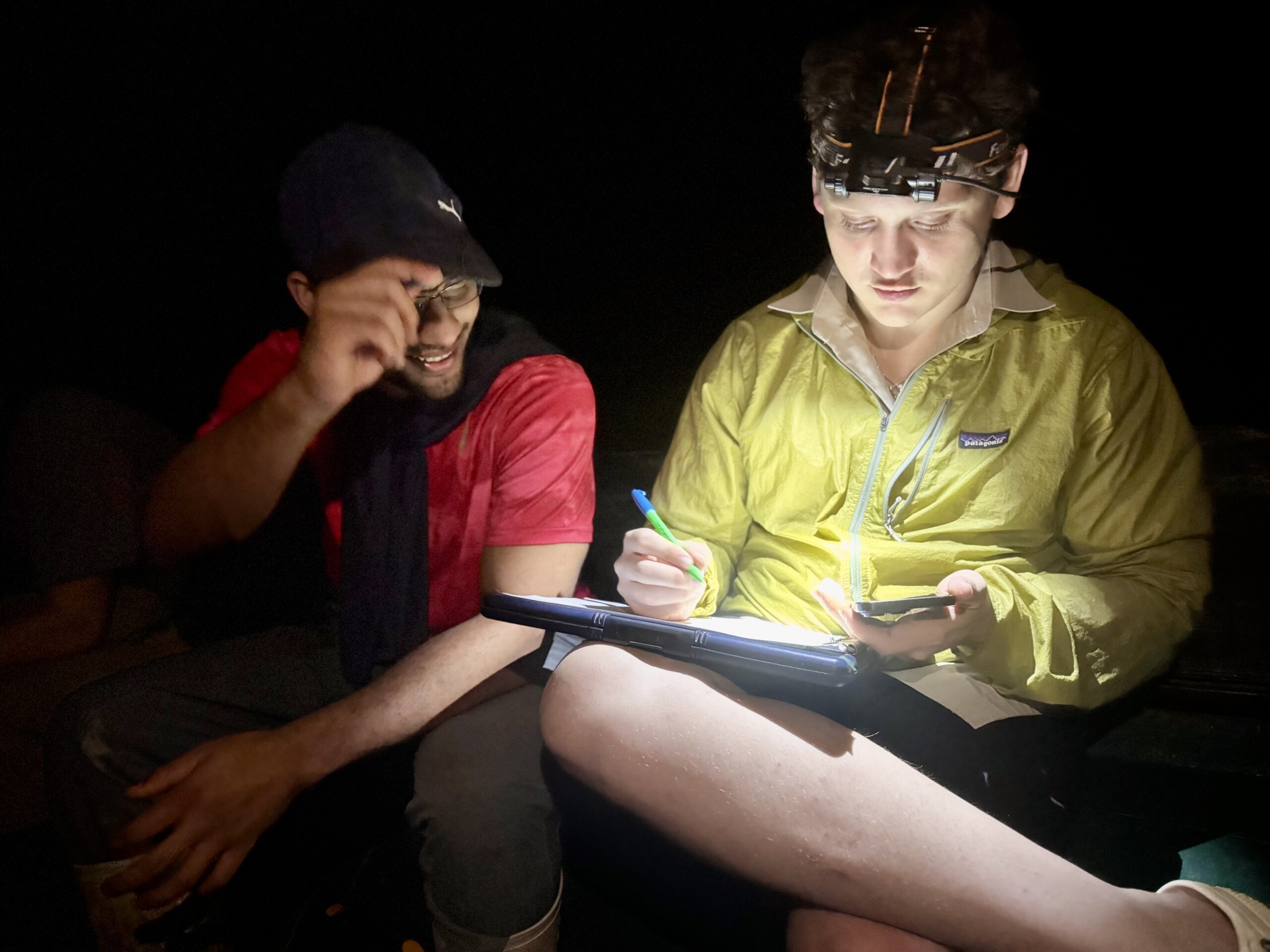
  • Record field data for long-term datasets

On a typical night, the team may sample 10–20 individuals, primarily spectacled caiman, with occasional dwarf caiman and rare black caiman encounters.

This work contributes directly to Hoja Nueva’s multi-year population dataset.

☀️ Daytime Training & Lectures

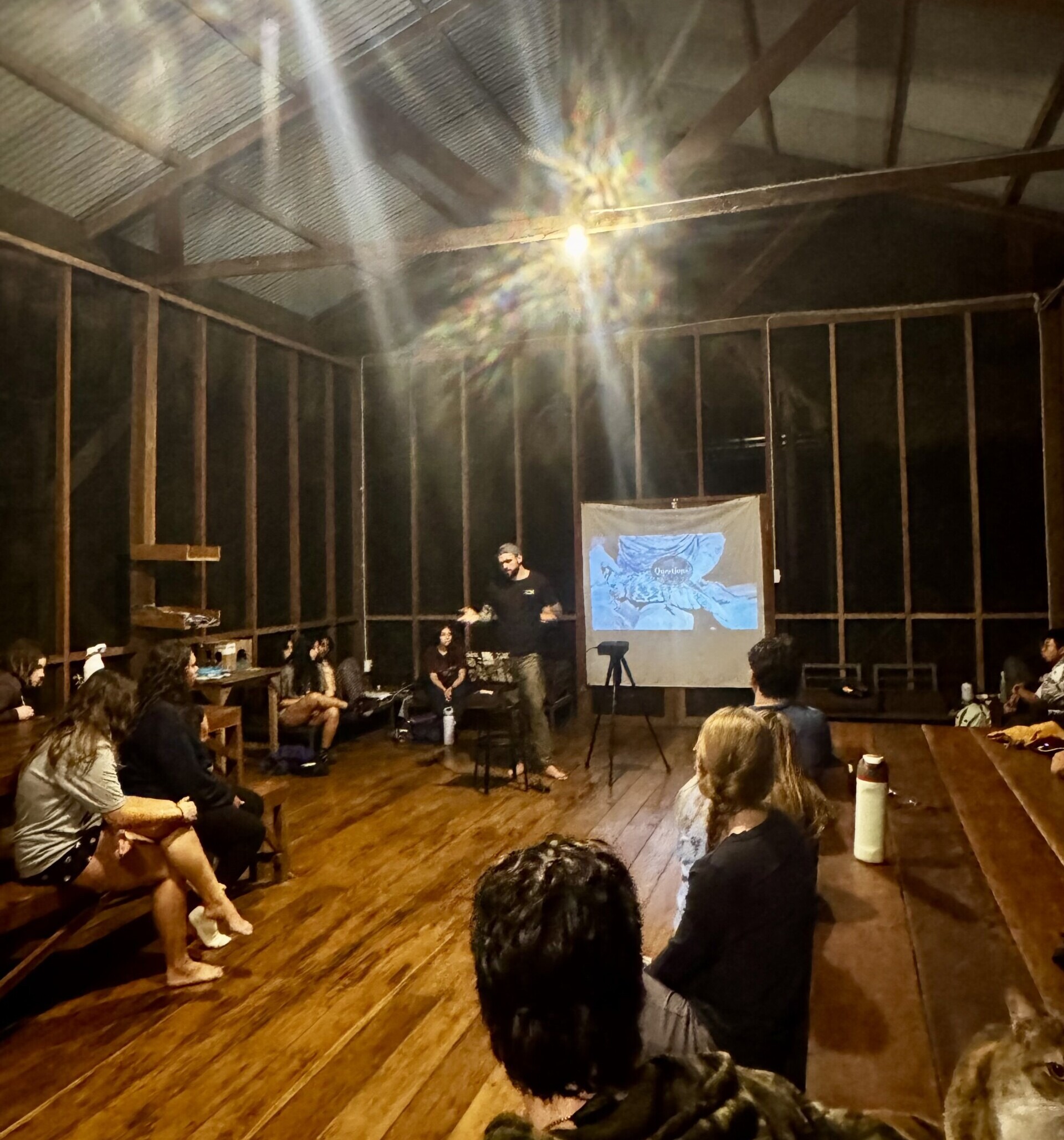
During the day, participants receive structured instruction covering both theory and applied field science.

Topics include:

  • Crocodilian biology and physiology
  • Species identification and ecology
  • Capture and handling techniques
  • Ethical wildlife research practices
  • Tagging methods and individual identification
  • Population dynamics and mark-recapture theory
  • Habitat use and niche partitioning
  • Human impacts and conservation challenges
  • Data collection, management, and analysis
  • Introduction to occupancy modeling and density estimation

Each topic is directly linked to the fieldwork participants are conducting.
Research Focus

Participants contribute to real, ongoing research questions at Hoja Nueva.

📊 Population Dynamics

Using mark-recapture methods, researchers track:

  • Population density
  • Survival rates
  • Growth patterns
  • Recapture frequency over time

With multiple years of data already collected, participants are contributing to a growing long-term dataset.

🧬 Genetics & Health

When appropriate, biological samples may be collected for:

  • Genetic analysis
  • Disease screening
  • Population connectivity studies

🌿 Habitat & Ecology

Participants will explore:

  • Habitat associations across species
  • Differences between river and interior habitats
  • Effects of human presence and disturbance
  • Niche partitioning between caiman species

Course Structure

  • Duration: 3 weeks
  • Schedule:
    • Monday–Friday: Fieldwork + lectures
    • Saturday: Excursion or rest activity
    • Sunday: Day off

Each week builds on the previous, with increasing independence and responsibility in the field.

What You'll Learn

By the end of the course, participants will have gained:

  • Practical experience in crocodilian capture and handling
  • Understanding of mark-recapture and population studies
  • Field navigation and night survey skills
  • Data collection and recording techniques
  • Exposure to ecological modeling concepts
  • Insight into real-world conservation research

A Typical Day

Morning
Data entry or lecture session

Afternoon
Training, preparation, or additional theory

Evening / Night
River surveys, spotting, capture, and data collection

This is a nocturnal, field-heavy course—your schedule follows the animals.

Life At Hoja Nueva

Participants live on-site at our rainforest research station within a 7,000-acre reserve.

Accommodation
  • Shared jungle housing
  • Beds with mosquito nets
  • Communal living spaces
Facilities
  • Solar electricity
  • Composting toilets and showers
  • Starlink Wi-Fi (limited daily hours)
  • Hand-wash laundry
Food
  • All meals provided
  • Simple, nutritious meals
Environment
  • Remote rainforest (~3 hours from nearest city)
  • Hot, humid, physically demanding
  • High biodiversity and constant wildlife presence

Who This Is For

This course is ideal for:

  • Anyone who is passionate about the research and conservation of crocodilians
  • Students in biology, ecology, or environmental science
  • Pre-vet or veterinary students
  • Early-career conservationists

Participants should be:

  • Comfortable with physically demanding fieldwork
  • Able to work at night
  • Interested in scientific data collection
  • Adaptable to remote living conditions

Program Details

Duration3 weeks
Cost$2,500
SessionsJune & August
Cohort SizeMaximum 10 participants
IncludesAccommodation, meals, transport, training, equipment, and field participation

What's Included

The course fee covers:

  • Full participation in field research activities
  • All training and instruction
  • Access to equipment and field gear
  • Accommodation and meals
  • Local transport to/from Puerto Maldonado
  • Ongoing mentorship from research staff

Participants also receive:

  • Hoja Nueva field gear (shirt + hat)
  • Certificate of completion
  • 30% discount on a future internship

Ready to Join Us?

Join us in the Amazon to gain hands-on experience in one of the most unique and under-studied areas of wildlife research.

If you’re ready to learn real field methods, contribute to long-term conservation data, and work directly with wild caiman, we’d love to hear from you.