
Skip to content Skip to footer

Quantitative Ecology Field Bootcamp

Wildlife Data, R, and Ecological Modeling in the Amazon

From Rainforest Data to Real Ecological Models

A 3-week intensive course in field data, statistics, and wildlife analysis.

Overview

The Hoja Nueva Quantitative Ecology Field Bootcamp is an intensive, hands-on course designed for students, researchers, and aspiring conservation scientists who want to build real skills in ecological data analysis.

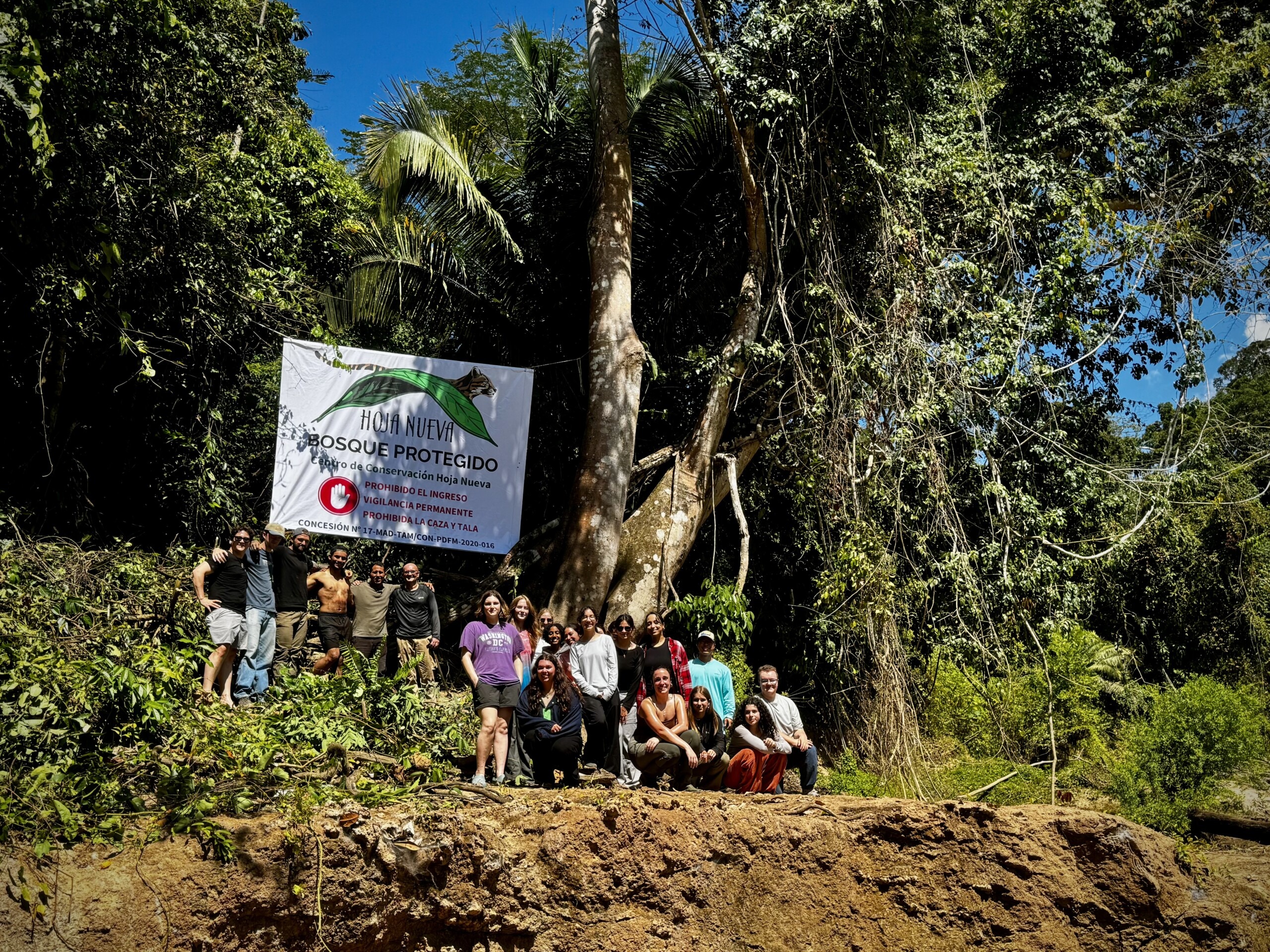
Set within a 7,000-acre protected rainforest reserve in the Peruvian Amazon, this course bridges the gap between fieldwork and quantitative science. Participants learn how to move from raw ecological data—collected in complex, real-world conditions—to meaningful statistical models that inform conservation decisions.

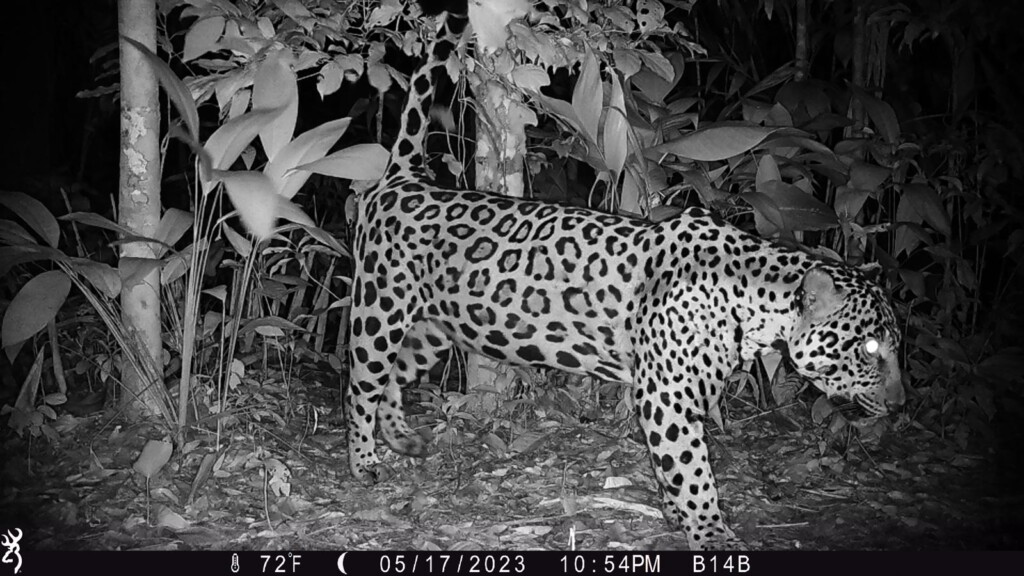
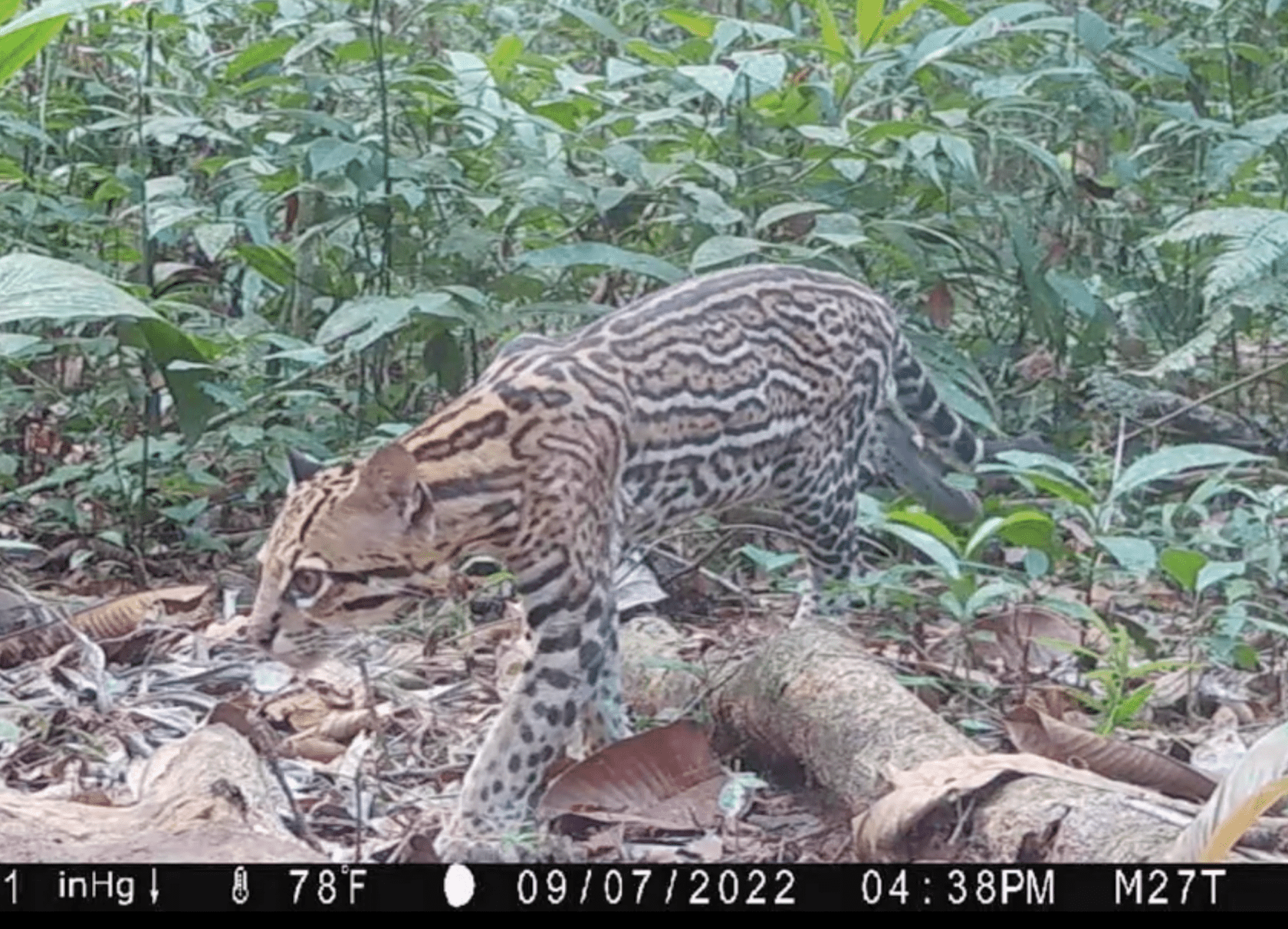
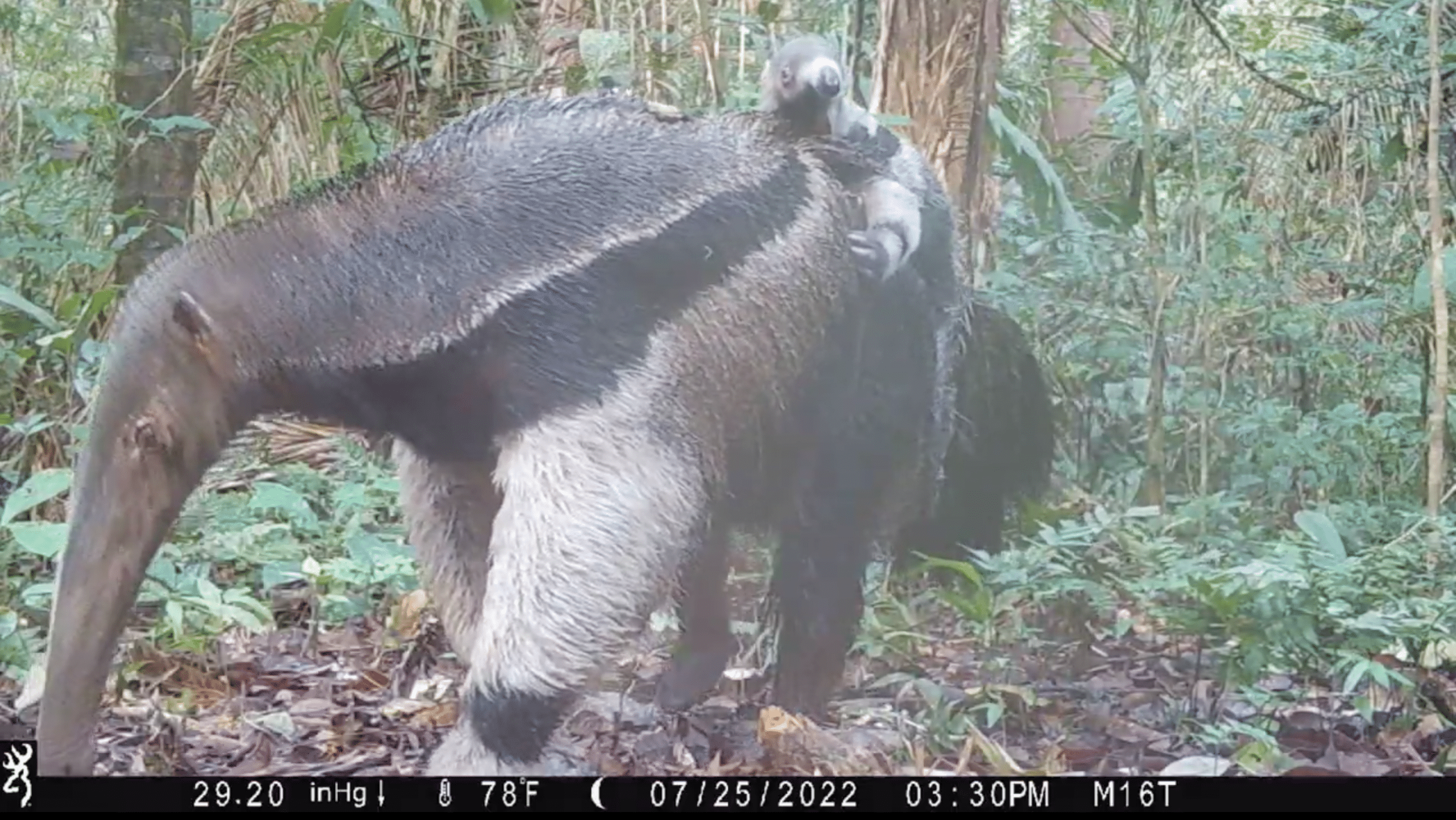
This is not a purely theoretical course. You will work directly with real datasets from Hoja Nueva’s long-term research programs, including one of the largest camera trap datasets for mammals in the region.

The course is led by a PhD-level quantitative ecologist and is designed to be accessible to those with basic experience in spreadsheets and introductory statistics, while still challenging and highly valuable for more advanced participants.

What You'll Do

Throughout the three weeks, you will move through the full workflow of ecological analysis:

  • Organizing and cleaning real field datasets
  • Learning the foundations of R and RStudio
  • Visualizing ecological data
  • Building detection histories from camera trap data
  • Running statistical models
  • Interpreting outputs and ecological meaning
  • Communicating results clearly

Participants may work with Hoja Nueva datasets or bring their own data to develop during the course.

Core Focus Areas

Data Organization & Reproducibility

You will learn how to structure ecological datasets properly, including managing species detections, metadata, sampling effort, and spatial information. Emphasis is placed on building clean, reproducible workflows.

R & Ecological Data Analysis

Participants will build confidence working in RStudio, including:

  • Data manipulation and cleaning
  • Script-based workflows
  • Data visualization
  • Preparing datasets for modeling

The course starts at an introductory level but quickly progresses to applied ecological analysis.

Camera Trap Data Workflows

Using real Hoja Nueva datasets, participants will:

  • Process and structure camera trap data
  • Build detection/non-detection matrices
  • Understand sampling effort and bias
  • Prepare datasets for occupancy and density models

Occupancy Modeling

A central component of the course is understanding how to model species presence while accounting for imperfect detection.

Participants will learn:

  • Detection vs occupancy
  • Covariates and model structure
  • Model selection and comparison
  • Interpretation of results

Introductory exposure to multi-season and multi-species occupancy concepts will also be included.

Activity Patterns & Temporal Overlap

Participants will analyze wildlife activity data to explore:

  • Diel activity patterns
  • Predator-prey dynamics
  • Human-wildlife interactions
  • Temporal niche partitioning

Spatial Analysis & Mapping

Participants will be introduced to spatial data concepts and tools, including:

  • Mapping camera trap locations
  • Working with geographic data
  • Integrating spatial covariates into analyses
  • Basic QGIS workflows

Density & Advanced Modeling Concepts

Participants will gain exposure to:

  • Spatial capture-recapture concepts
  • Density estimation for identifiable species
  • Model assumptions and limitations

This section is designed as an introduction to more advanced quantitative ecology.

Field Component

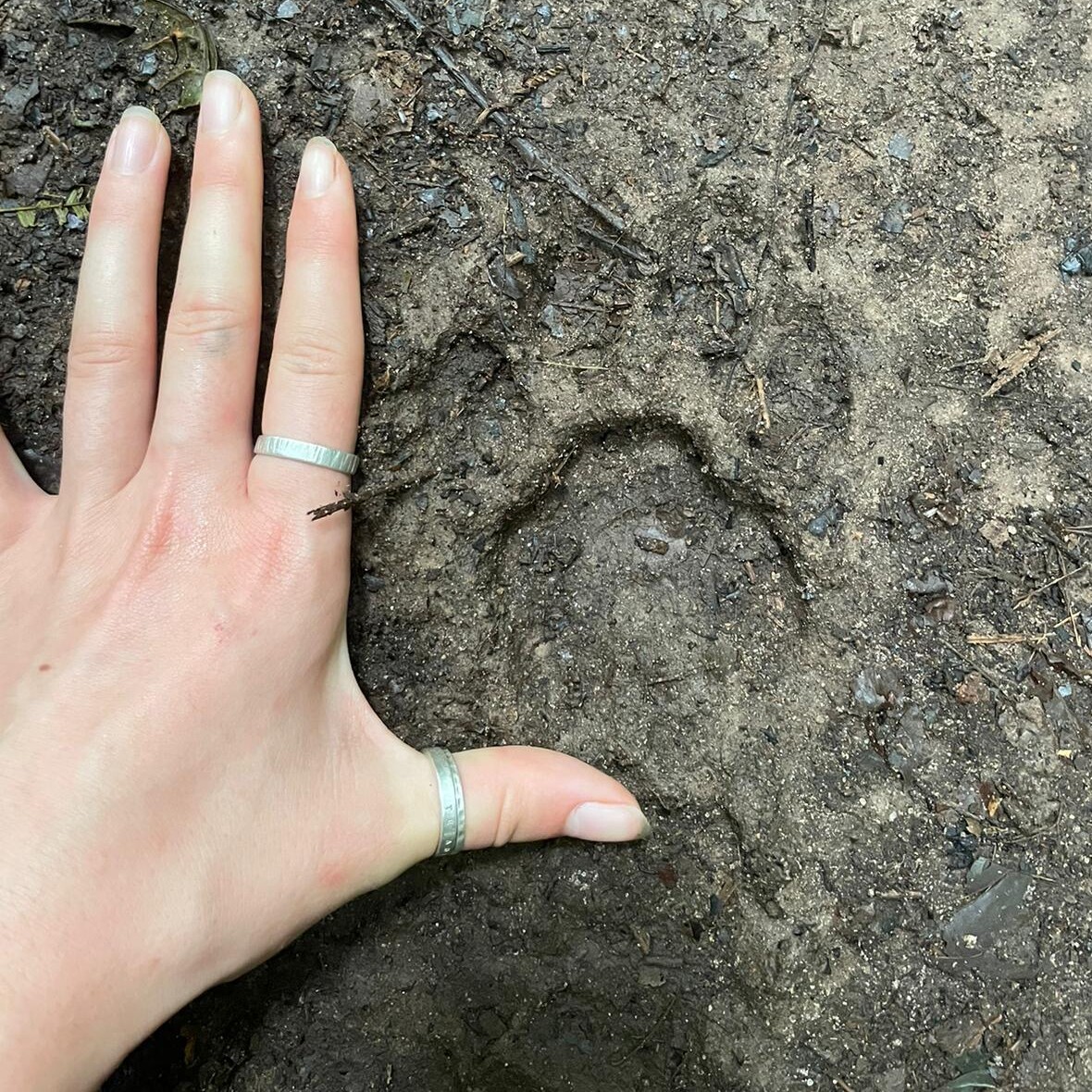
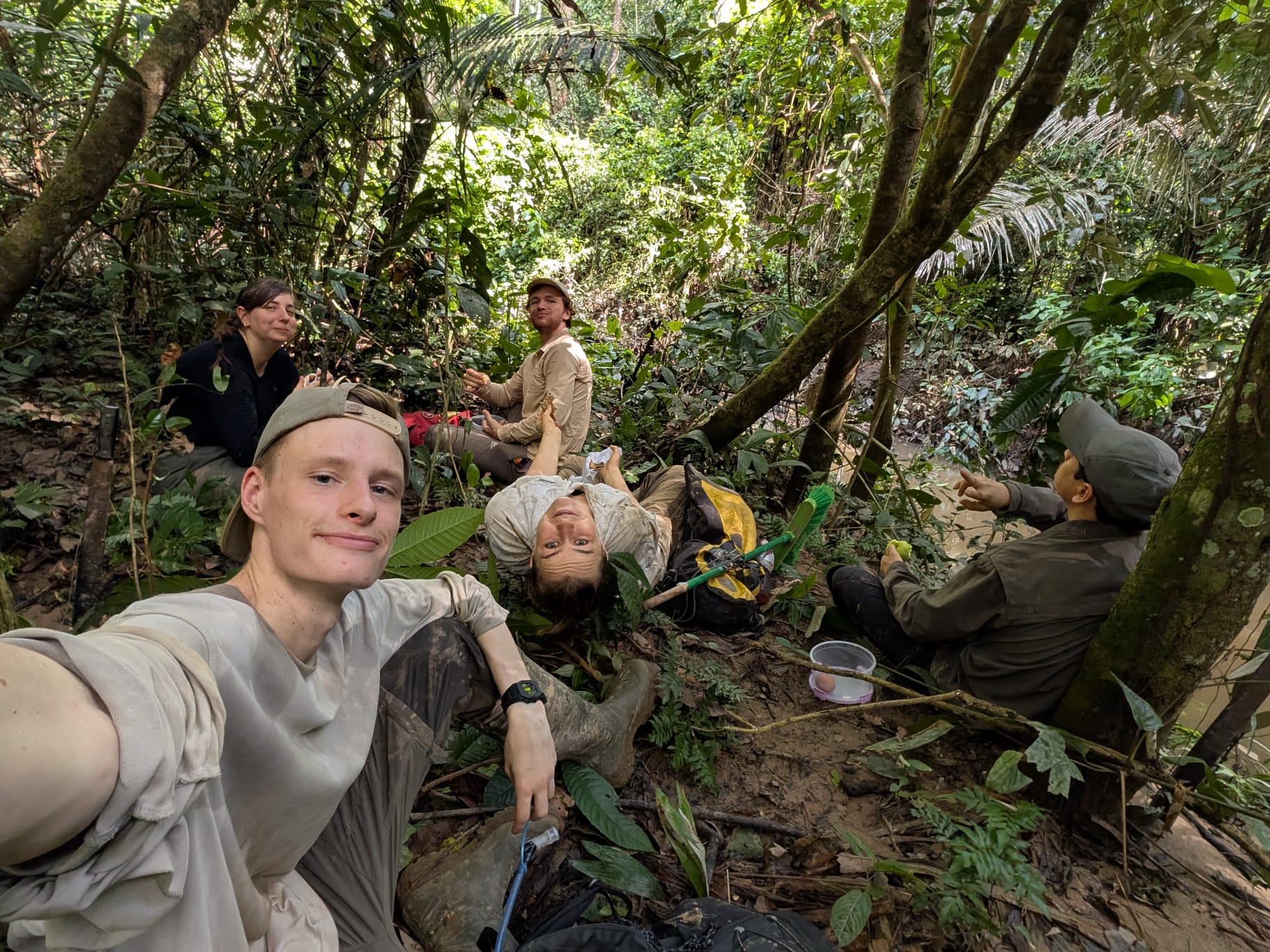
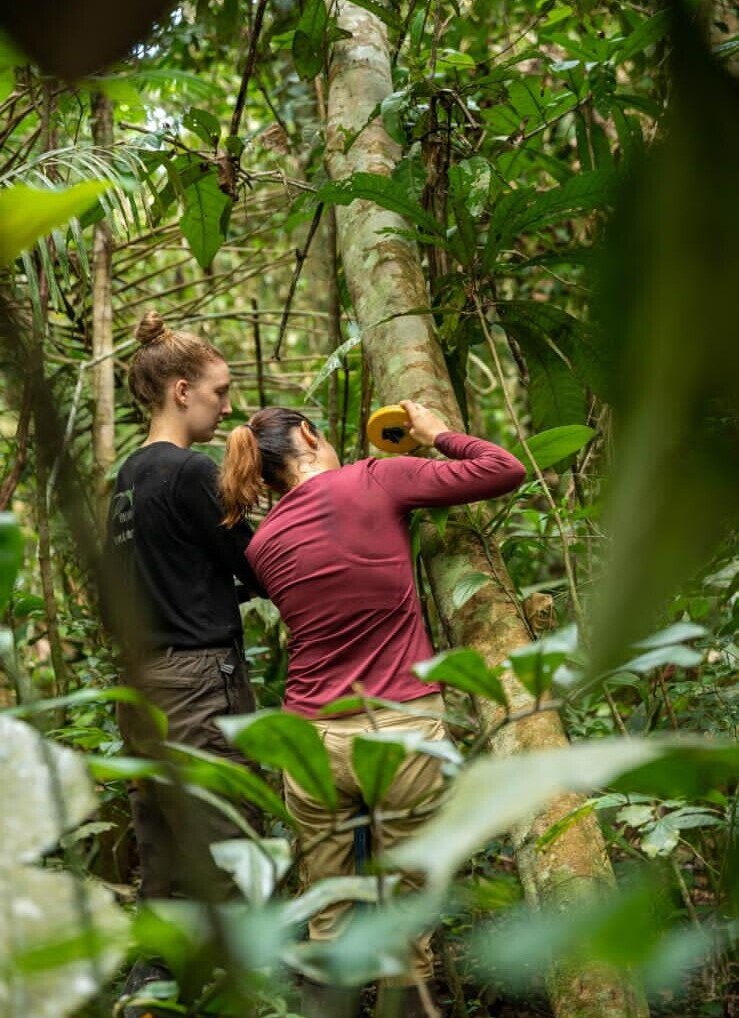
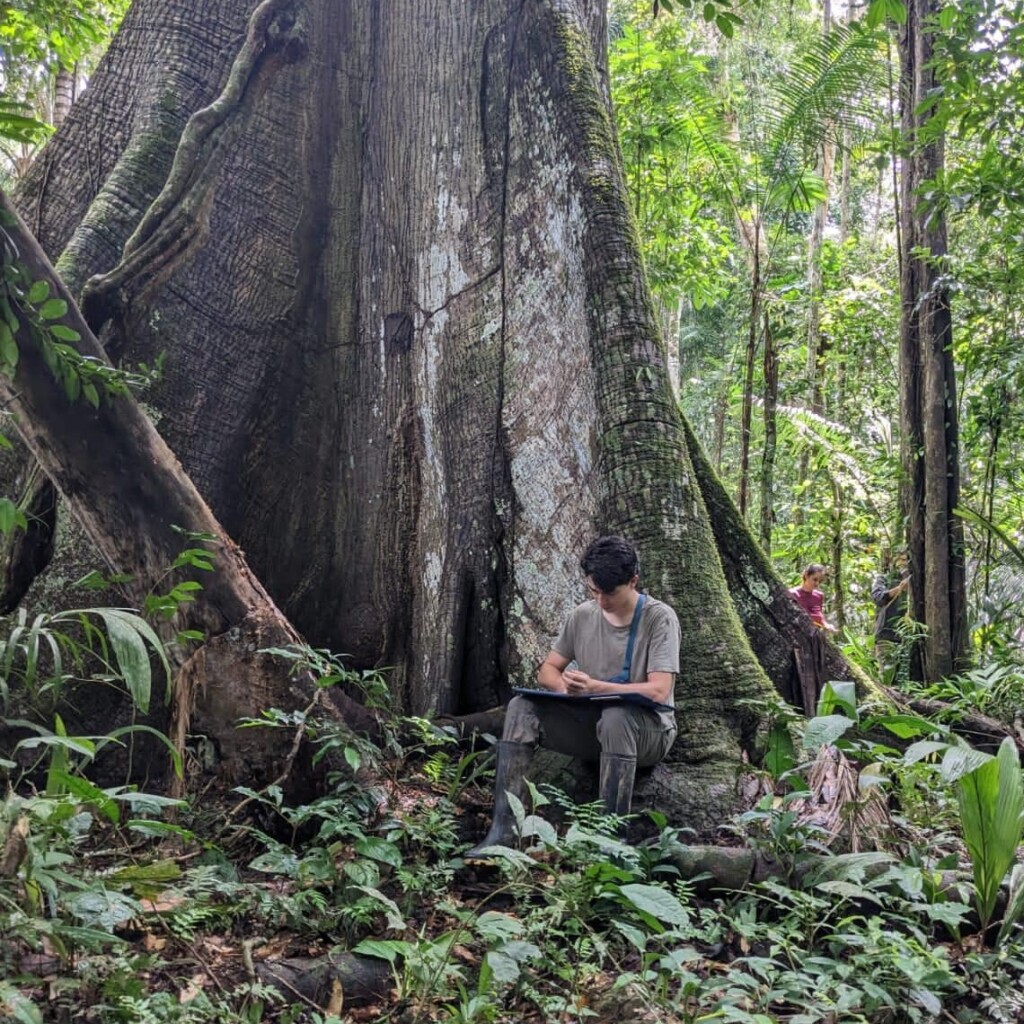
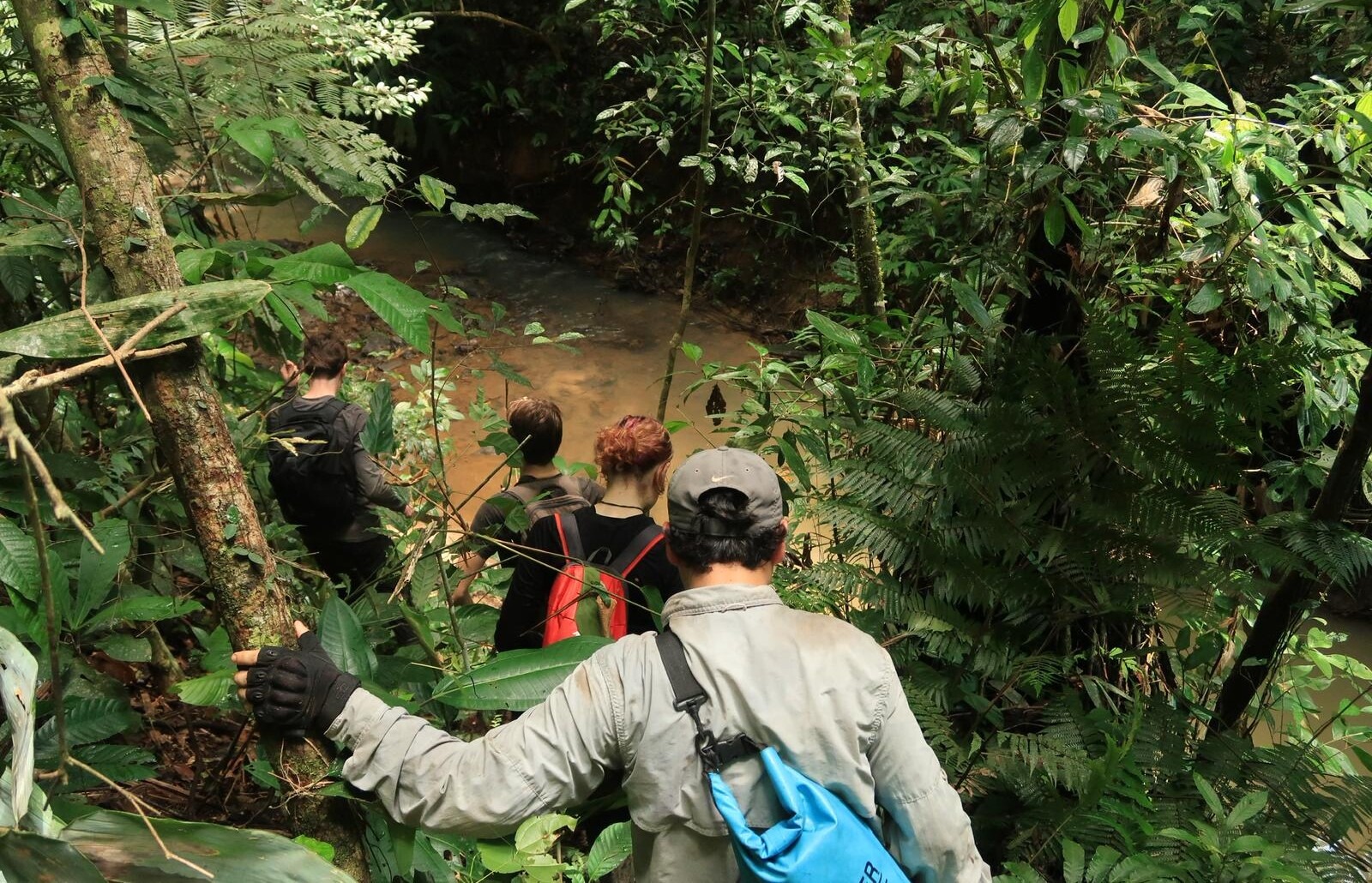
While this is a quantitative course, participants will also engage in field-based activities to understand how ecological data are collected.

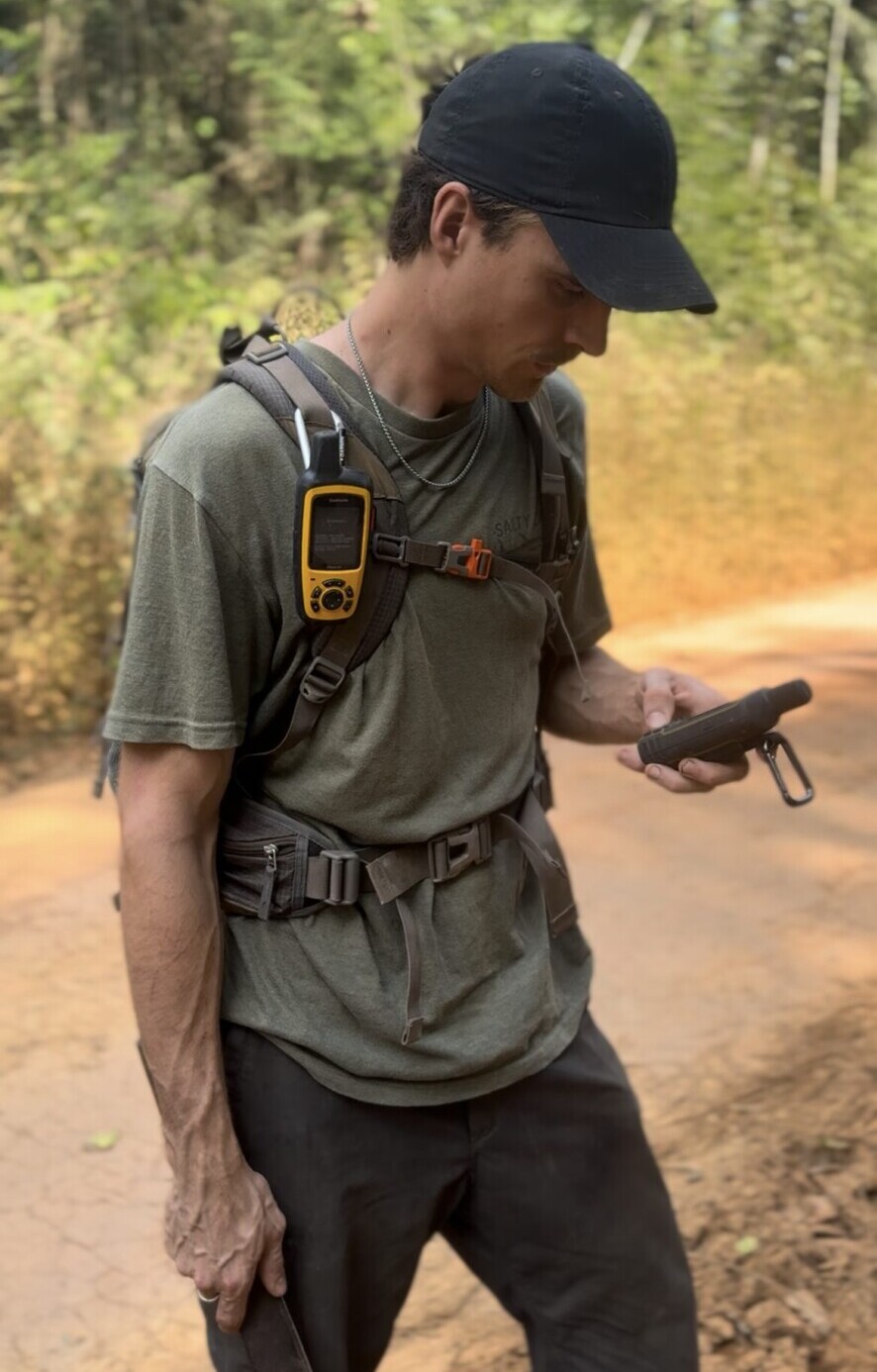
Field components may include:

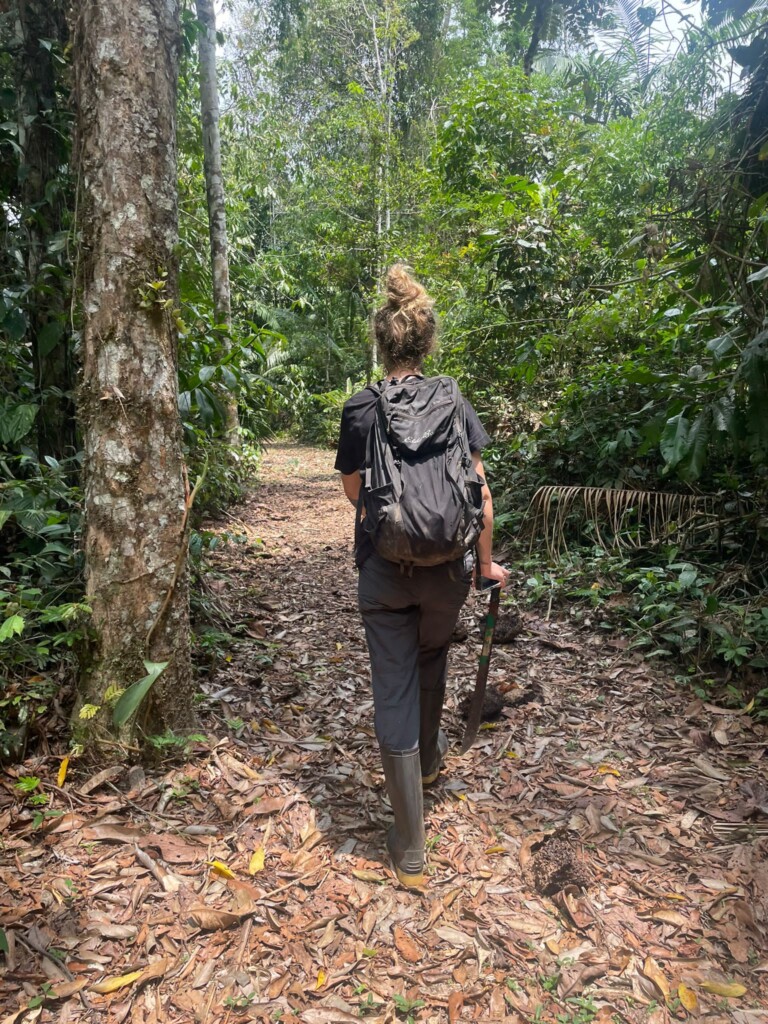
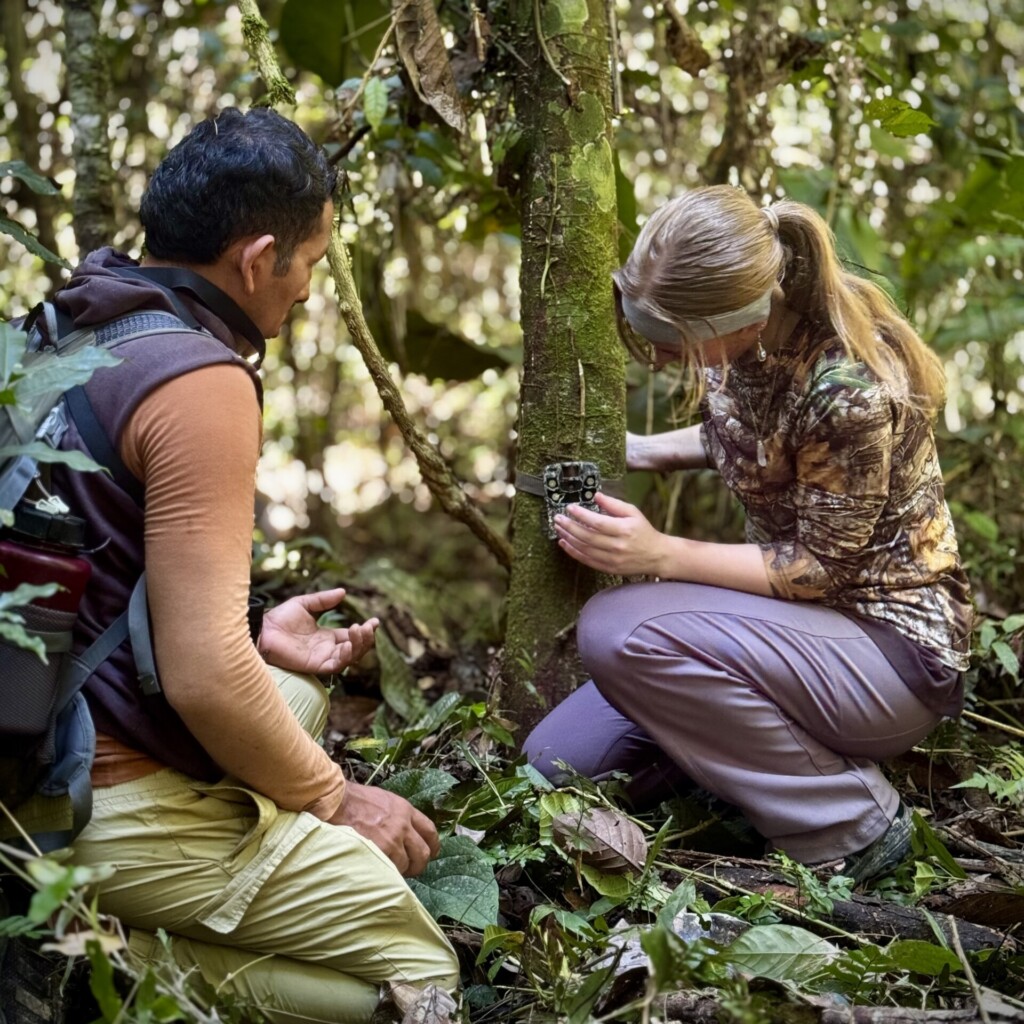
  • Camera trap hikes and deployment discussions
  • Habitat assessment and covariate collection
  • GPS and spatial data recording
  • Observation of field methods and study design

These experiences are essential for understanding how real-world constraints shape data and analysis.

What You'll Learn

By the end of the course, participants will be able to:

  • Organize and clean ecological datasets
  • Work confidently in RStudio
  • Visualize and explore wildlife data
  • Build detection histories for analysis
  • Run introductory occupancy models
  • Interpret model outputs and uncertainty
  • Understand activity pattern analysis
  • Gain exposure to density estimation methods
  • Communicate results through figures and summaries
  • Connect statistical outputs to real conservation questions

Course Structure

The course is structured progressively, building from foundations to applied analysis.

Week 1: Foundations

  • Data organization and cleaning
  • Introduction to R
  • Visualization and exploratory analysis
  • Understanding field data

Week 2: Core Models

  • Camera trap workflows
  • Occupancy modeling
  • Activity analysis
  • Model interpretation

Week 3: Application

  • Introduction to advanced methods
  • Independent mini-project development
  • Data analysis and interpretation
  • Final presentations

Final project

Each participant will complete a small research project using real ecological data.

Projects may involve:

  • Testing habitat associations
  • Comparing species activity patterns
  • Exploring human impacts on wildlife
  • Running occupancy models on selected species

Participants will present their findings at the end of the course.

A Typical Day

Morning
Lectures or guided coding sessions

Afternoon
Hikes, hands-on analysis, exercises, or project work

Evening
Optional discussions, field activities, or independent work

👉 This is an intellectually intensive course with a strong practical component.
Life At Hoja Nueva

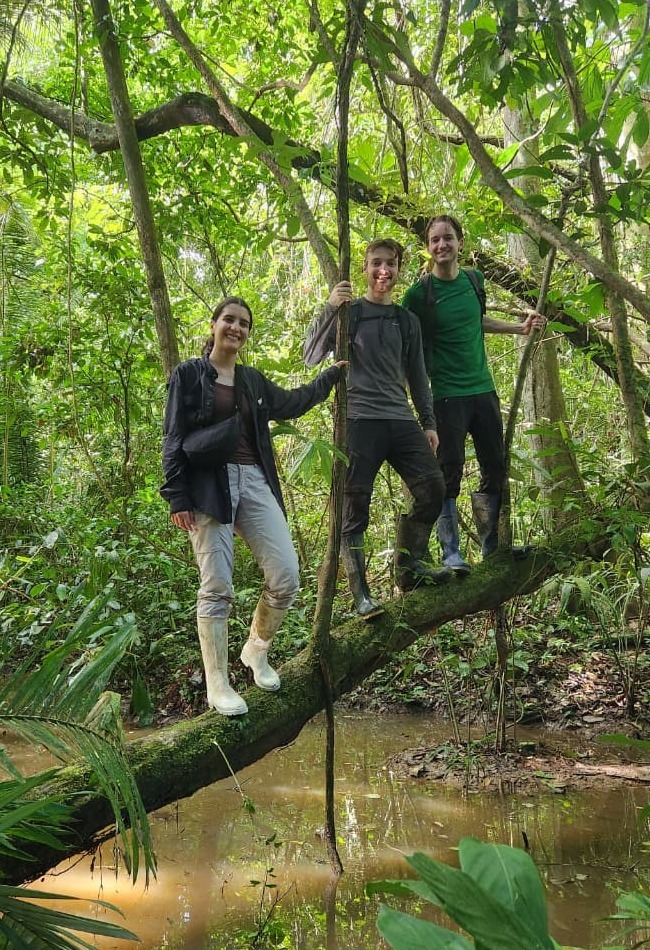
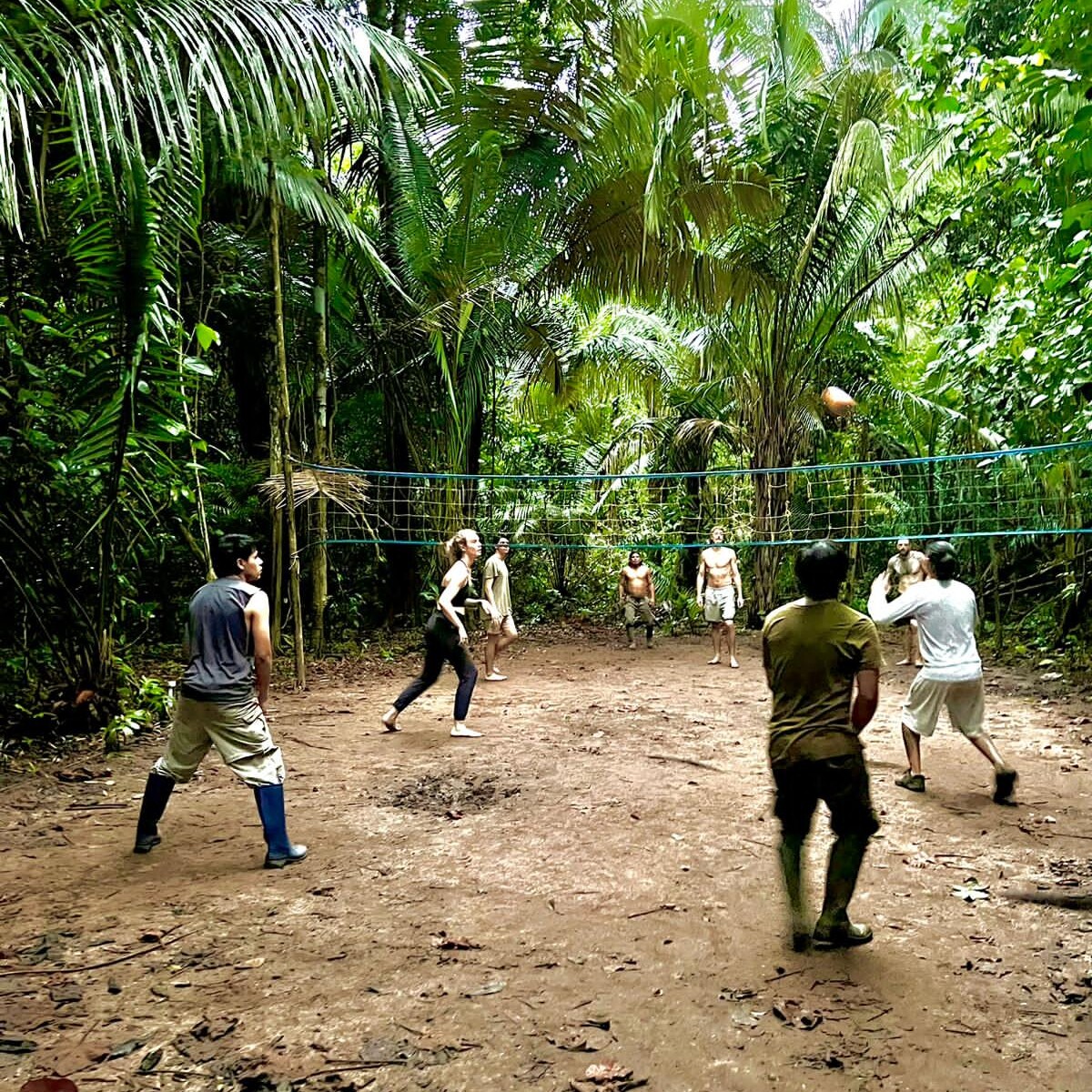
Participants live on-site at our rainforest research station.

Accommodation

  • Shared housing with mosquito nets
  • Communal living spaces

Facilities

  • Solar electricity
  • Composting toilets and showers
  • Starlink Wi-Fi (limited daily hours)

Food

  • All meals provided
  • Simple, nutritious meals

Environment

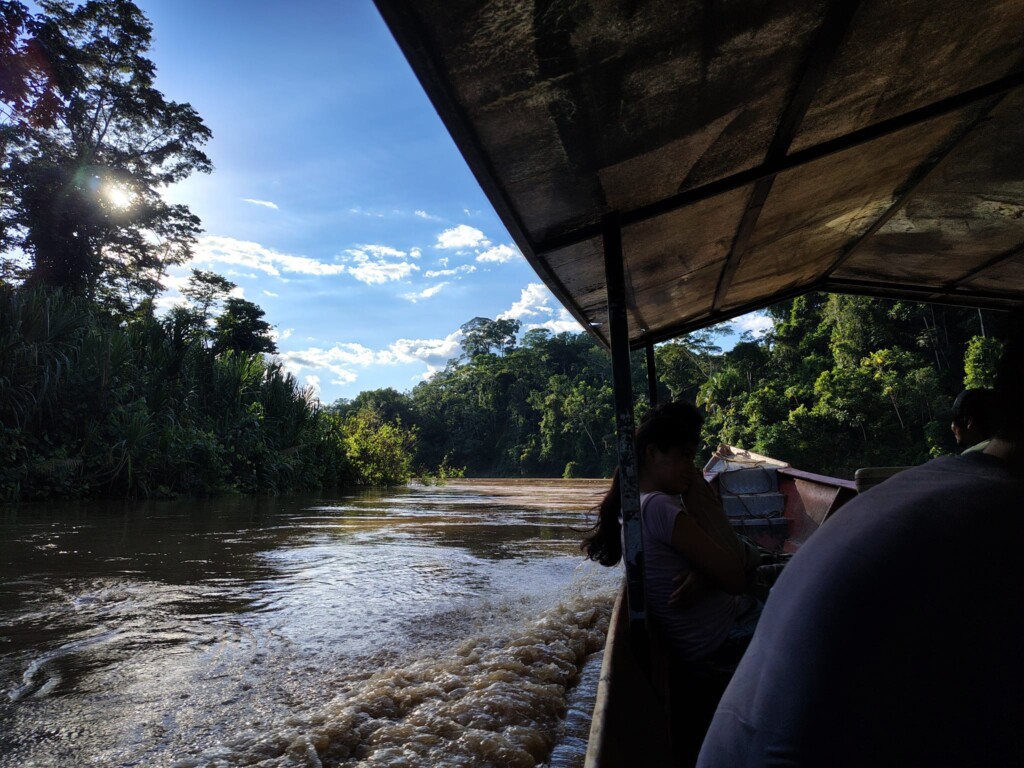
  • Remote rainforest (~3 hours from nearest city)
  • Hot, humid, and immersive
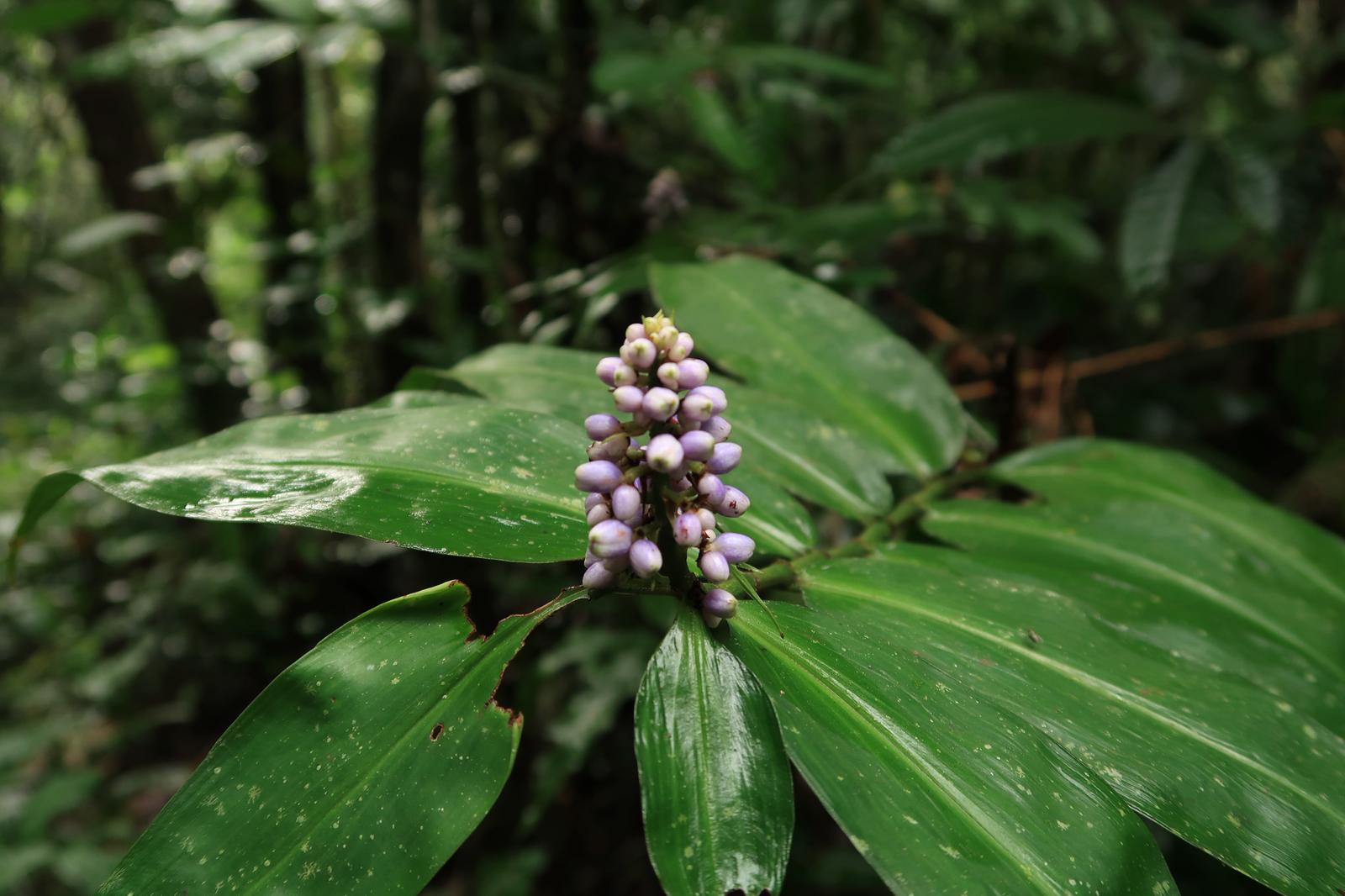
  • Surrounded by exceptional biodiversity

Who This is For

This course is designed for individuals who want to build real analytical skills in ecology and conservation.

It is ideal for:

  • Students in ecology, biology, or environmental science
  • Early-career researchers
  • Conservation practitioners
  • Individuals preparing for graduate school
  • Participants transitioning toward research-focused careers

Applicants should have:

  • Basic experience with spreadsheets
  • Introductory understanding of statistics
  • A willingness to learn coding and quantitative methods

This course is an excellent bridge between field-based experience and advanced research work.

Program Details

  • Duration: 3 Weeks
  • Cost: $2,500
  • Sessions: TBA
  • Cohort Size: 10-15 Participants 
  • Includes: Accommodation, meals, instruction, datasets, transport, field activities, and ongoing mentorship
  • See more below

Whats Included

The course fee covers:

  • Full instruction and mentorship
  • Access to Hoja Nueva datasets
  • Field activities and training
  • Accommodation and meals
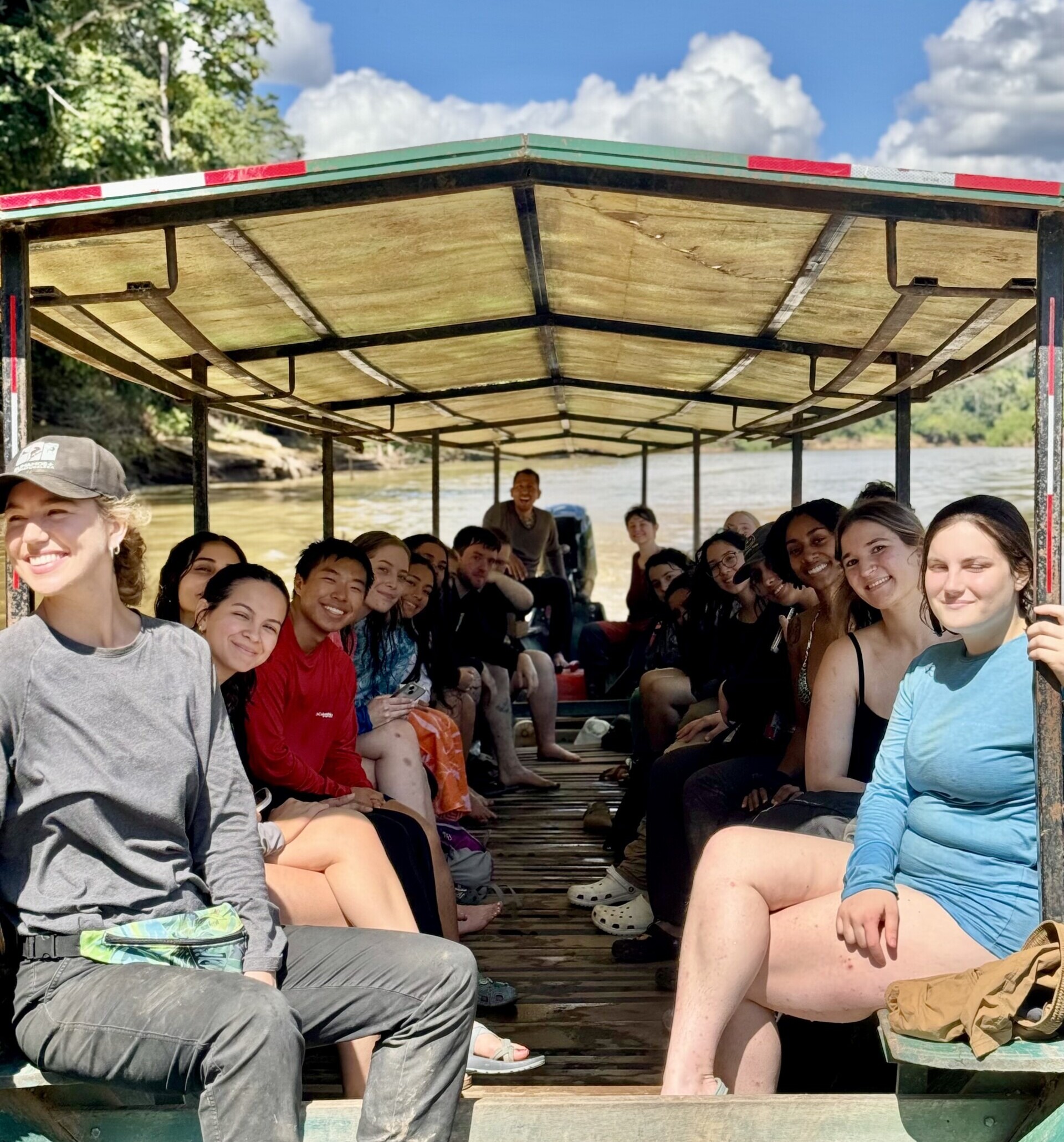
  • Local transport to/from Puerto Maldonado

Participants also receive:

  • Certificate of completion
  • Hoja Nueva field gear
  • 30% discount on a future internship

Ready to Join Us?

Join us in the Amazon to develop the skills needed to turn ecological data into real conservation insight.

If you’re ready to build confidence in R, understand wildlife data at a deeper level, and take a meaningful step toward research, we’d love to hear from you.