

Advanced Research Internship
Independent Research + Publication Track
Conduct Real Research. Publish Real Science.
A selective, mentorship-driven placement for students, researchers, and highly motivated individuals pursuing serious ecological research in the Amazon.
Overview
The Advanced Research Internship is a high-level program for individuals seeking to conduct independent research in tropical ecology, conservation biology, wildlife monitoring, or related fields.
Participants work directly with a PhD-level quantitative ecologist to develop, refine, analyze, and write up a research project. This may involve designing a project from the ground up, working with existing Hoja Nueva datasets, contributing to ongoing research, or developing thesis-level or publication-oriented work.
This is not a general internship. It is a research collaboration designed for participants who want to engage deeply with the scientific process and produce meaningful academic or professional outcomes.
What You'll Do
Each placement is tailored to the participant’s background, goals, and project needs. Some participants arrive with a defined thesis or research question, while others need support developing a project from the beginning. Depending on your level, mentorship may begin with the foundations of scientific thinking and project formulation, or it may focus more heavily on advanced modeling, analysis, interpretation, and manuscript preparation.
Participants may work on formulating research questions, designing methodologies, structuring a scientific study, cleaning and organizing ecological datasets, conducting statistical analyses, applying quantitative tools, interpreting results, and drafting a thesis, report, or manuscript.
Research topics vary widely and are tailored to each participant. Examples of current project areas are outlined below. Many of our strongest research outcomes come from participants working with long-term datasets to answer questions that have remained unexplored for years. These projects often combine exciting field context with slow, careful data work — the kind of detailed process that turns raw ecological information into meaningful research.
Research Focus and Project Opportunities
Hoja Nueva’s research program is built around long-term ecological monitoring and applied conservation science in one of the most biodiverse regions of the Amazon. Our strongest area of expertise is the quantitative analysis of wildlife data—particularly from camera trapping—combined with a growing body of field-based studies across multiple taxa.
Participants in the Advanced Research Internship have the opportunity to work with both long-term datasets and independently designed projects, depending on their goals, experience level, and length of stay.
Camera Trap Research
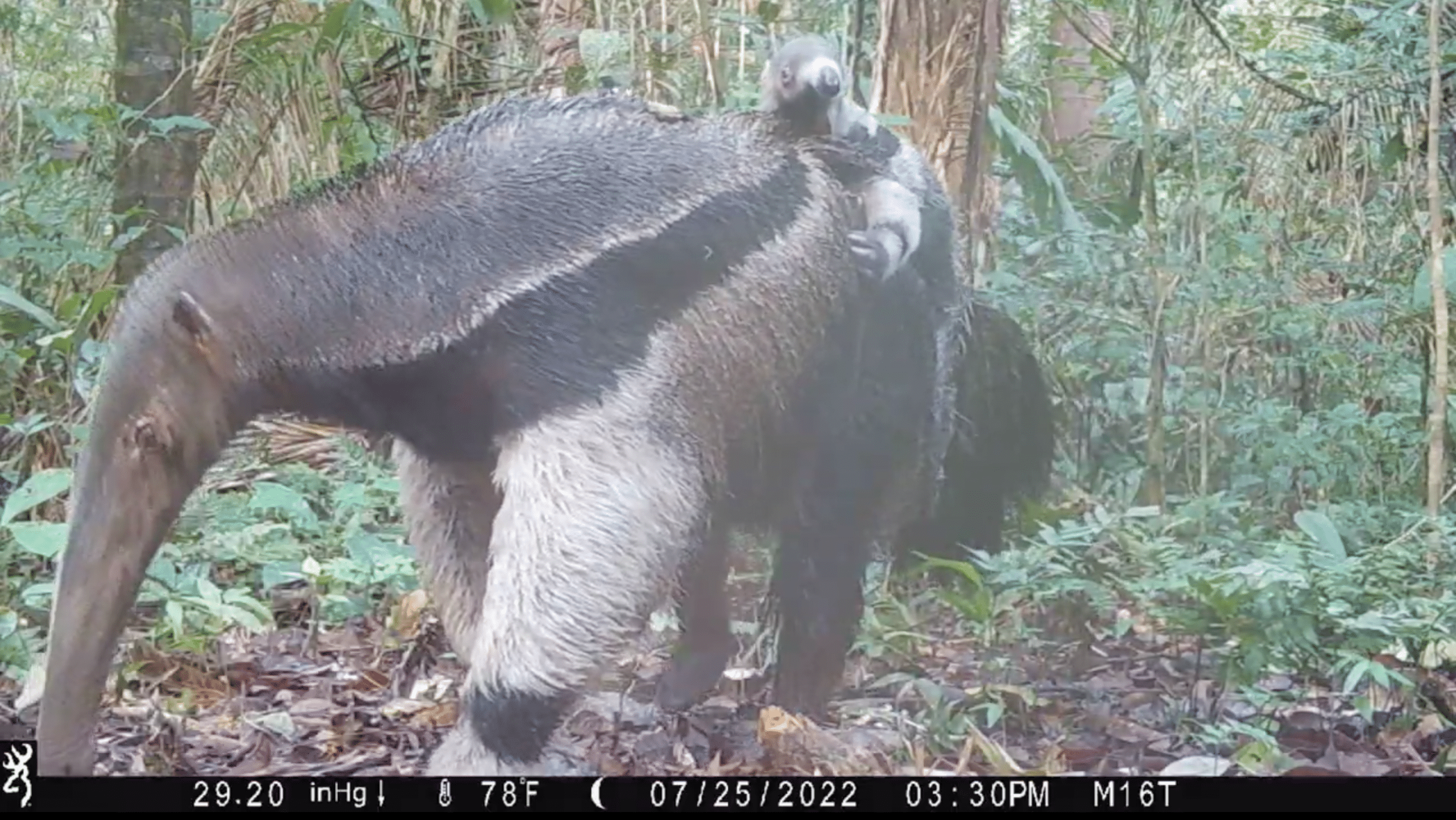
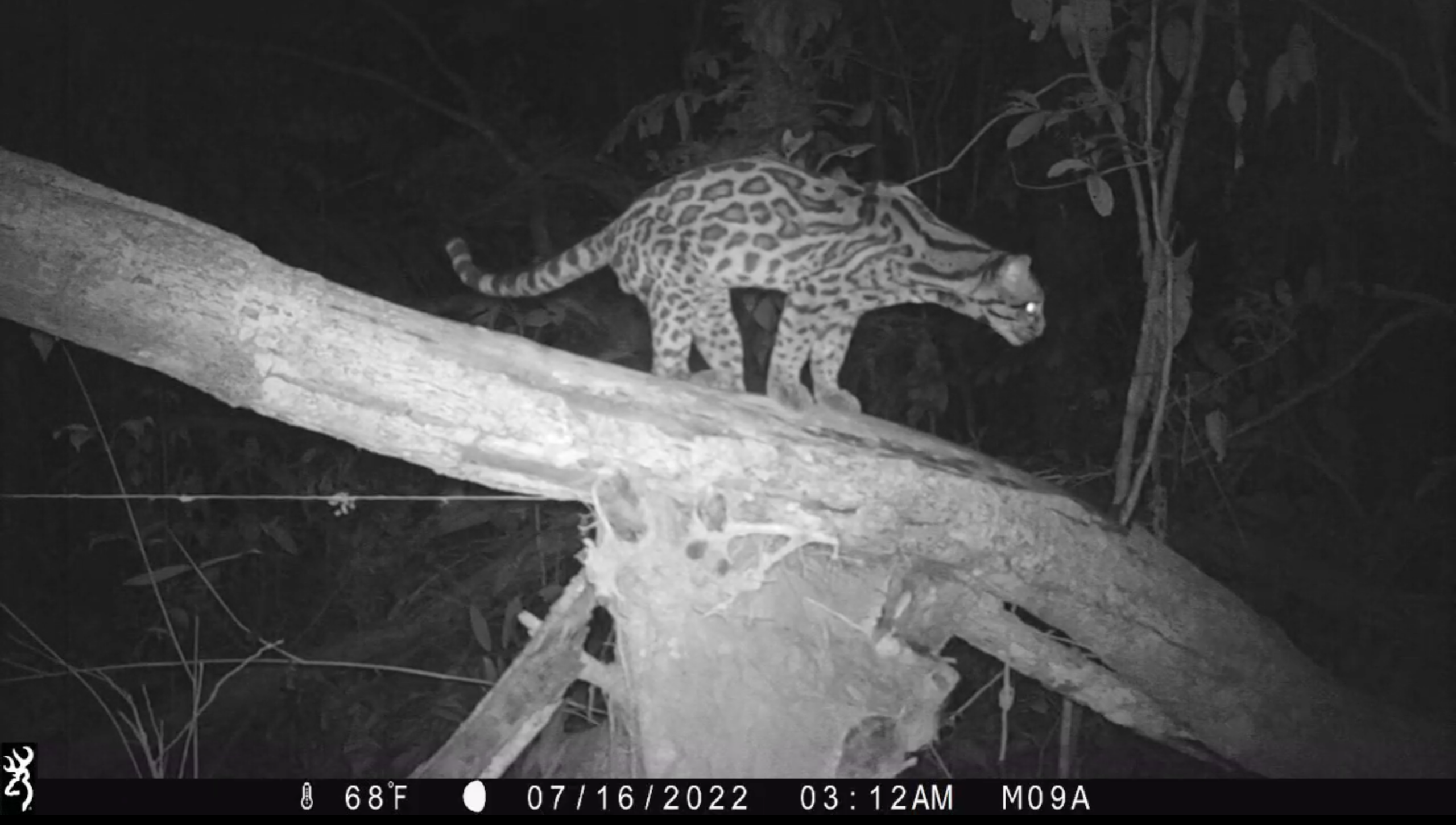
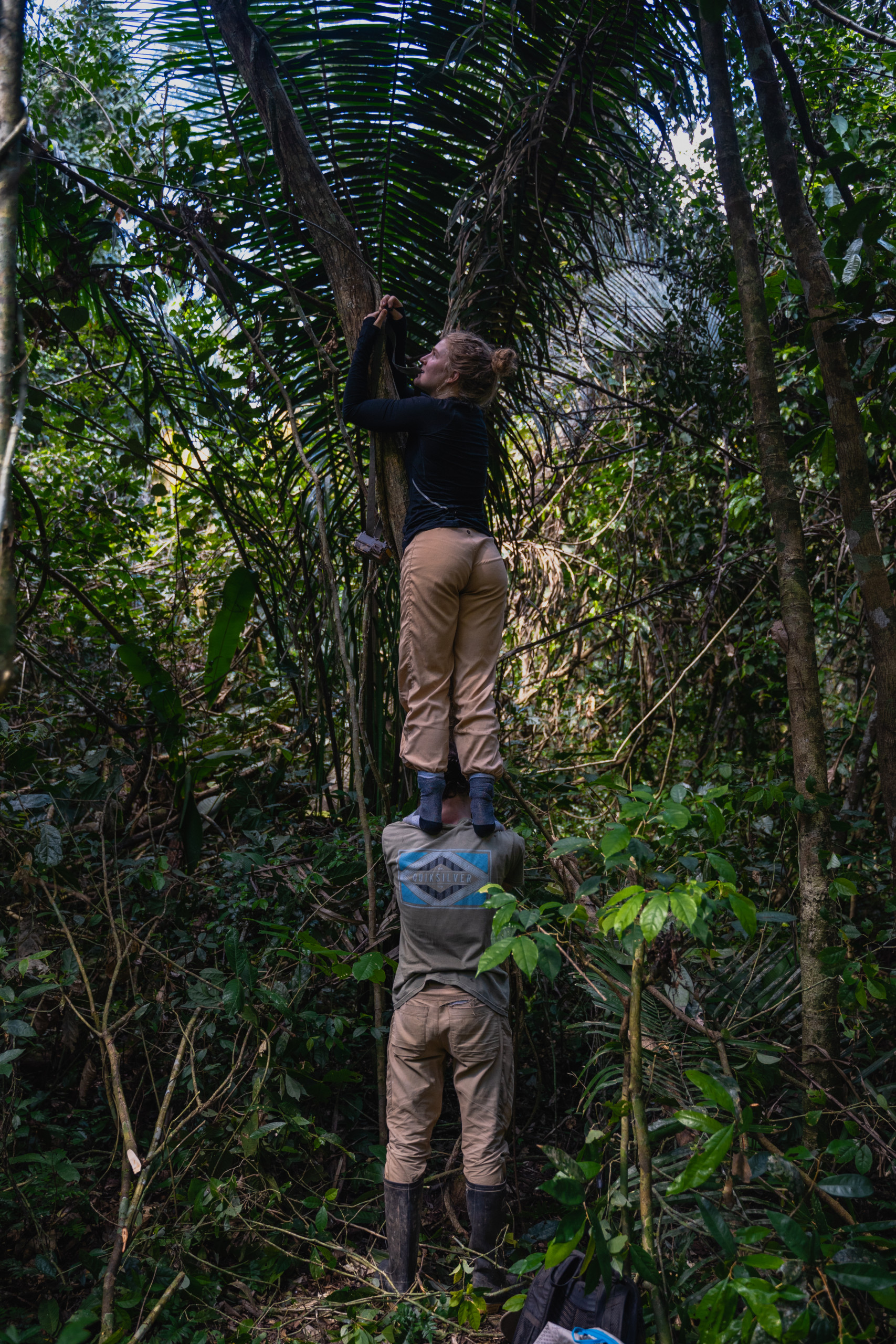
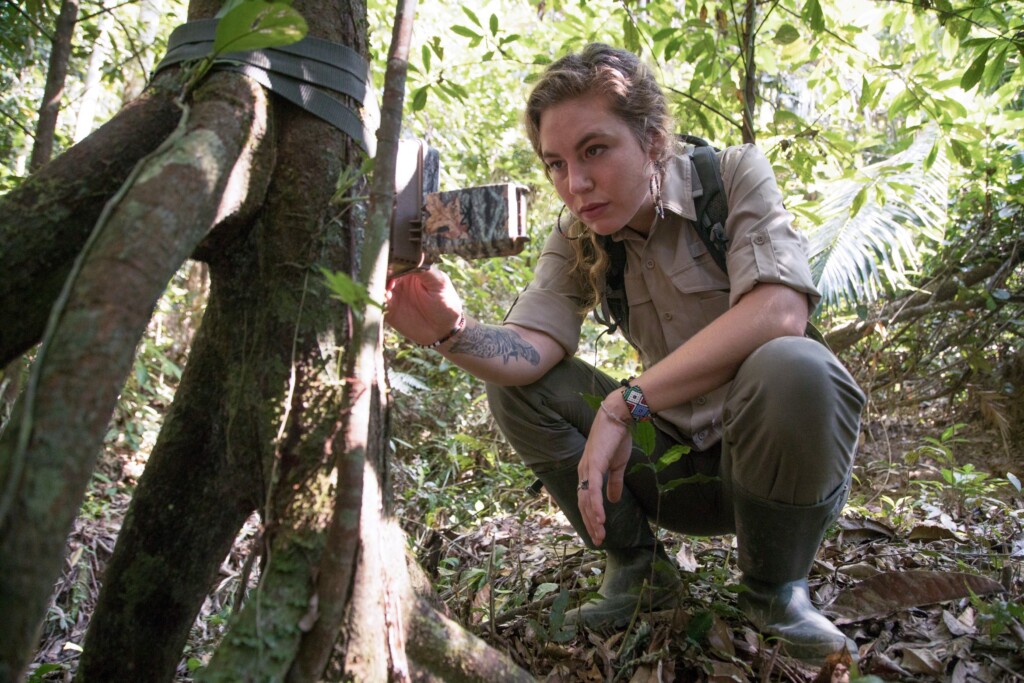
One of Hoja Nueva’s most valuable resources is our long-term camera trap dataset, spanning over a decade of continuous monitoring across our reserve and surrounding landscapes. This dataset represents one of the most extensive collections of mammal camera trap data in Peru, with records of all terrestrial and semi-arboreal mammal species present in the area.
For research participants, this creates exceptional opportunities to work with real, long-term ecological data from one of the most biodiverse regions of the Amazon. Many questions remain unexplored, making this one of the clearest pathways toward thesis chapters, manuscript drafts, and potentially publishable research at Hoja Nueva.
Projects may explore:
- Species occupancy/ distribution/ density
- Activity patterns and temporal behavior
- Community composition and biodiversity
- Habitat use and environmental drivers
- Long-term population trends
- Species interactions and niche partitioning
- Human disturbance and wildlife response
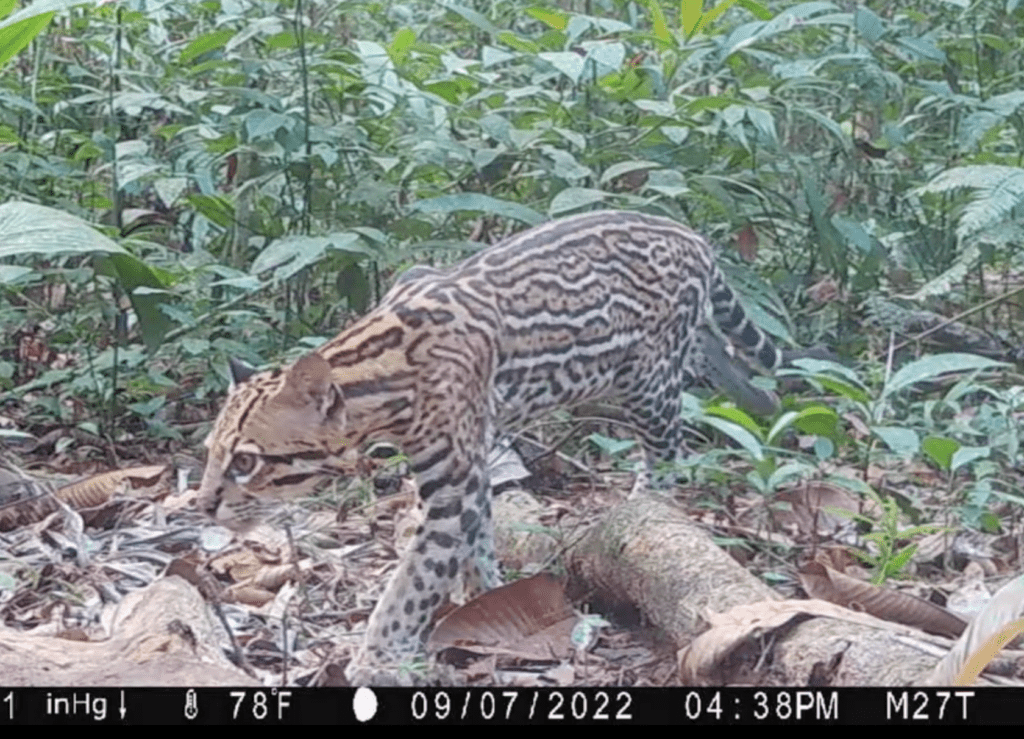
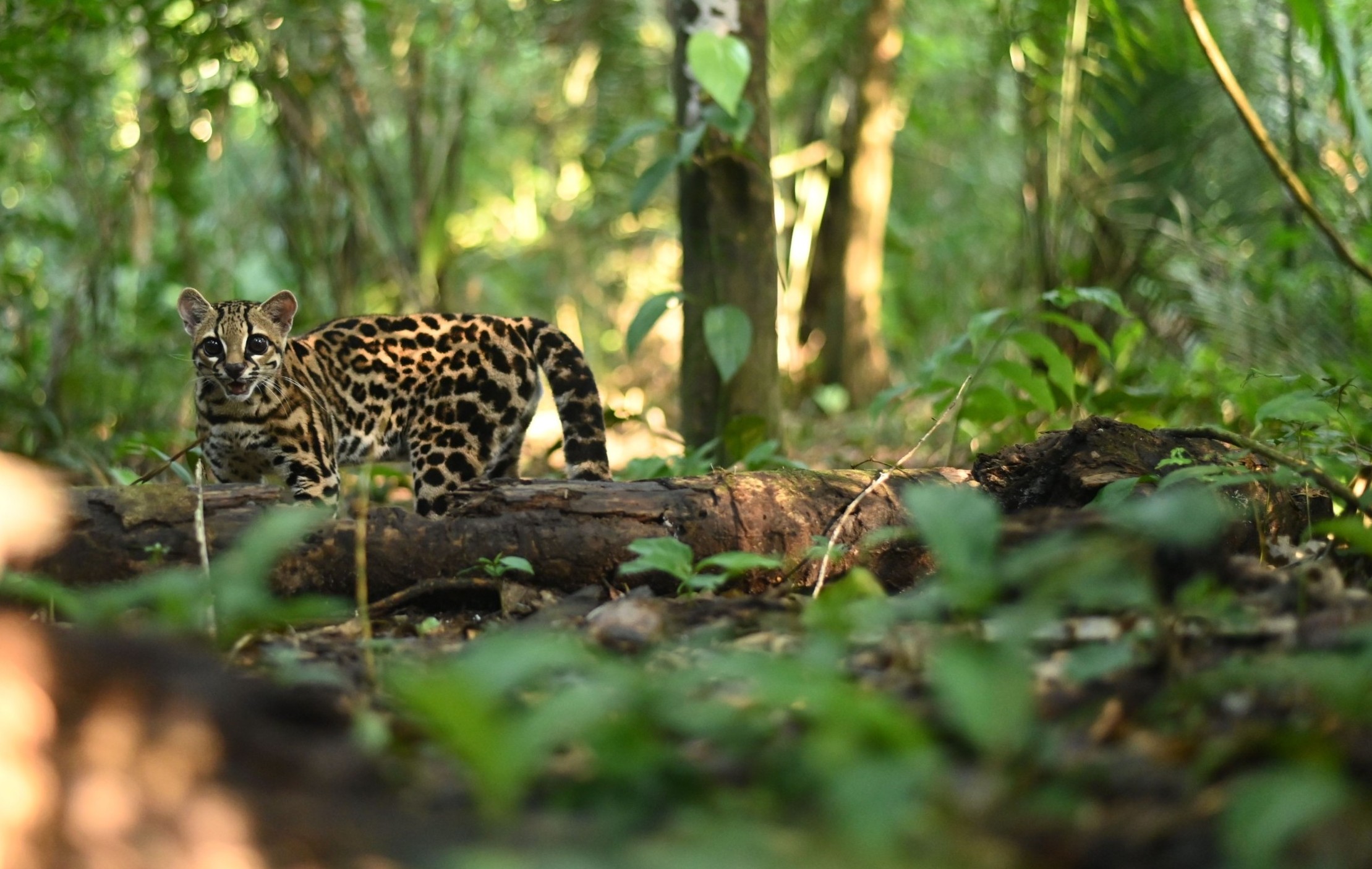
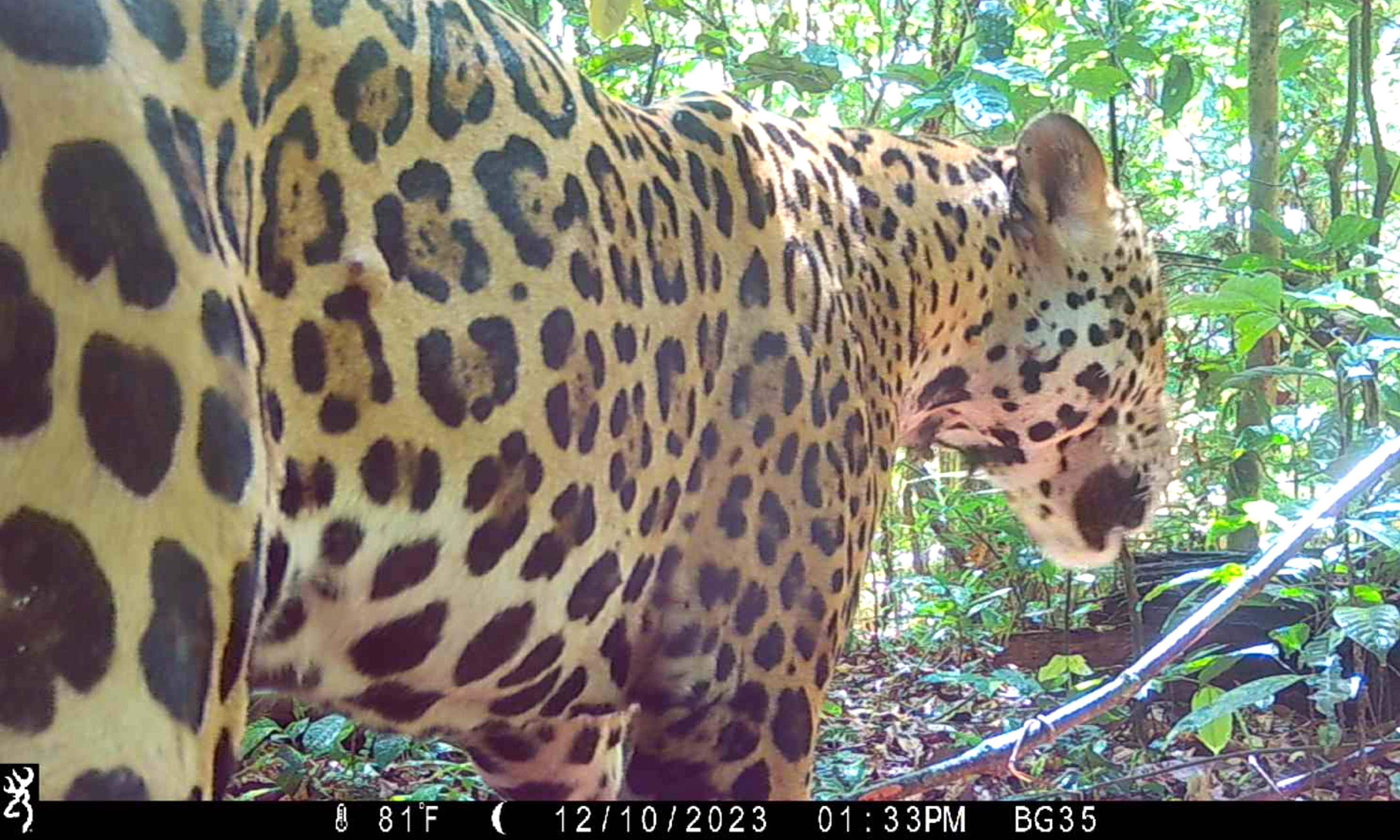
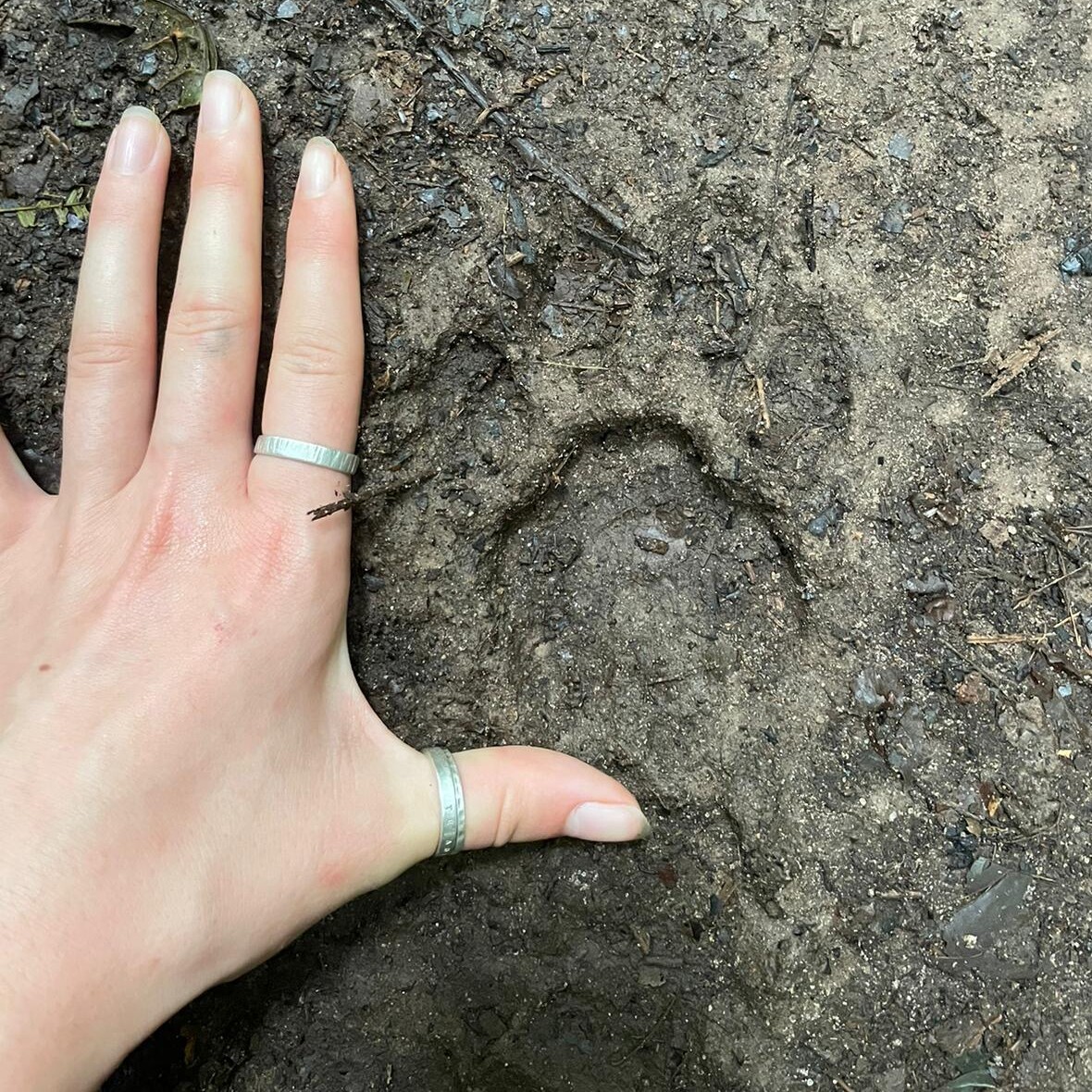
- Felid ecology, including jaguars, ocelots, margays, and other carnivores
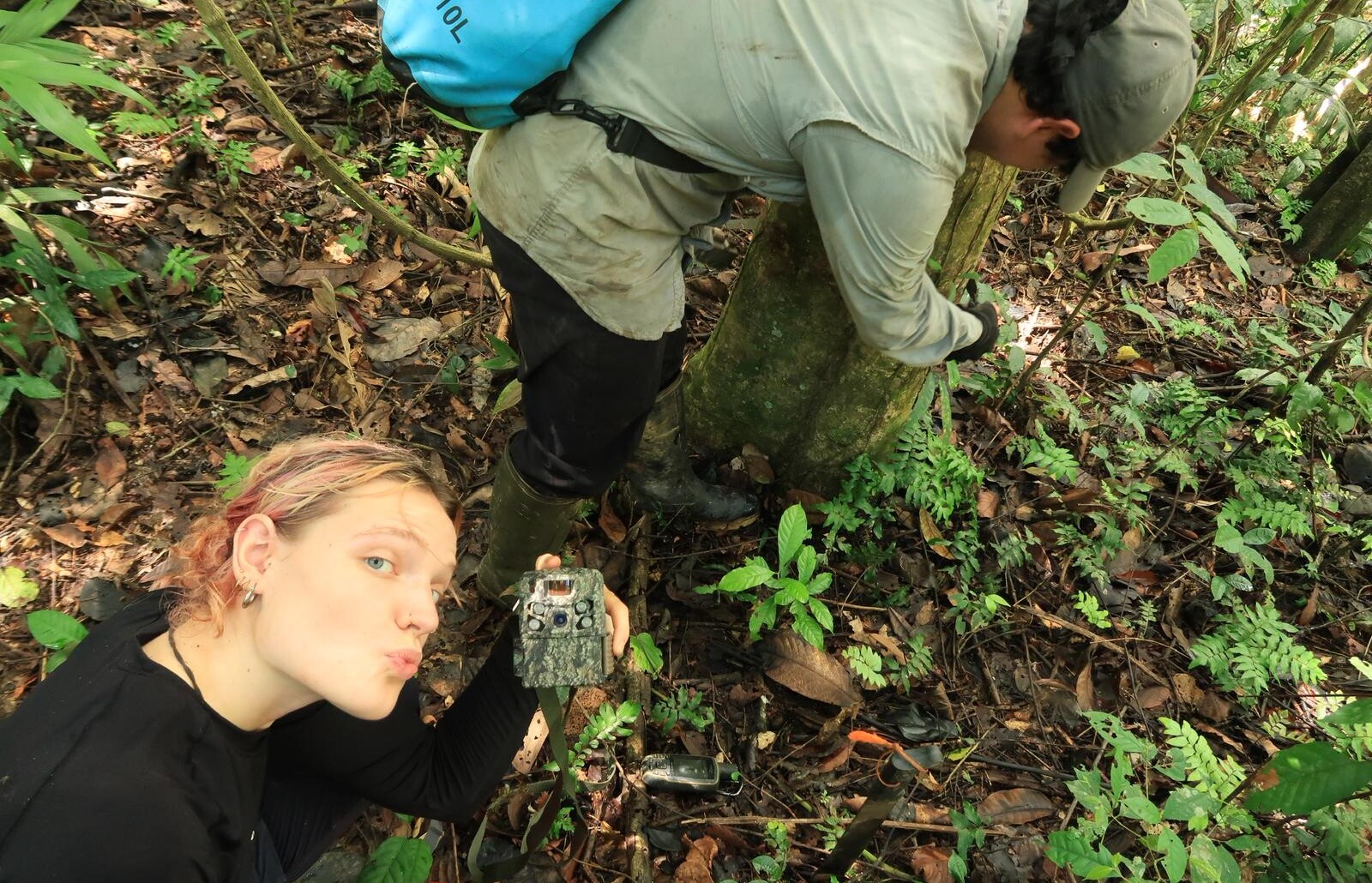
Participants working with these datasets receive support in statistical analysis, modeling, interpretation, and scientific writing. Depending on the project, this may involve organizing camera trap files, identifying species or individuals, preparing detection histories, analyzing spatial or temporal patterns, and translating results into meaningful conservation insight.
For students or researchers interested in quantitative ecology, wildlife monitoring, or publication-oriented work, camera trap research is one of the strongest and most distinctive opportunities available through this placement.
Ongoing Field Studies
In addition to camera trap research, Hoja Nueva supports a range of ongoing field studies and long-term ecological monitoring projects that participants may contribute to or build upon.
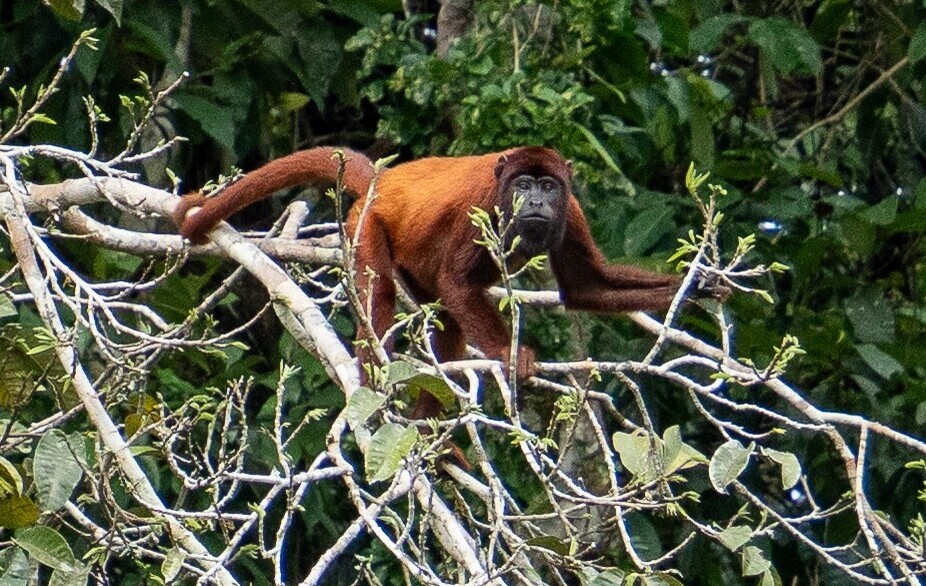
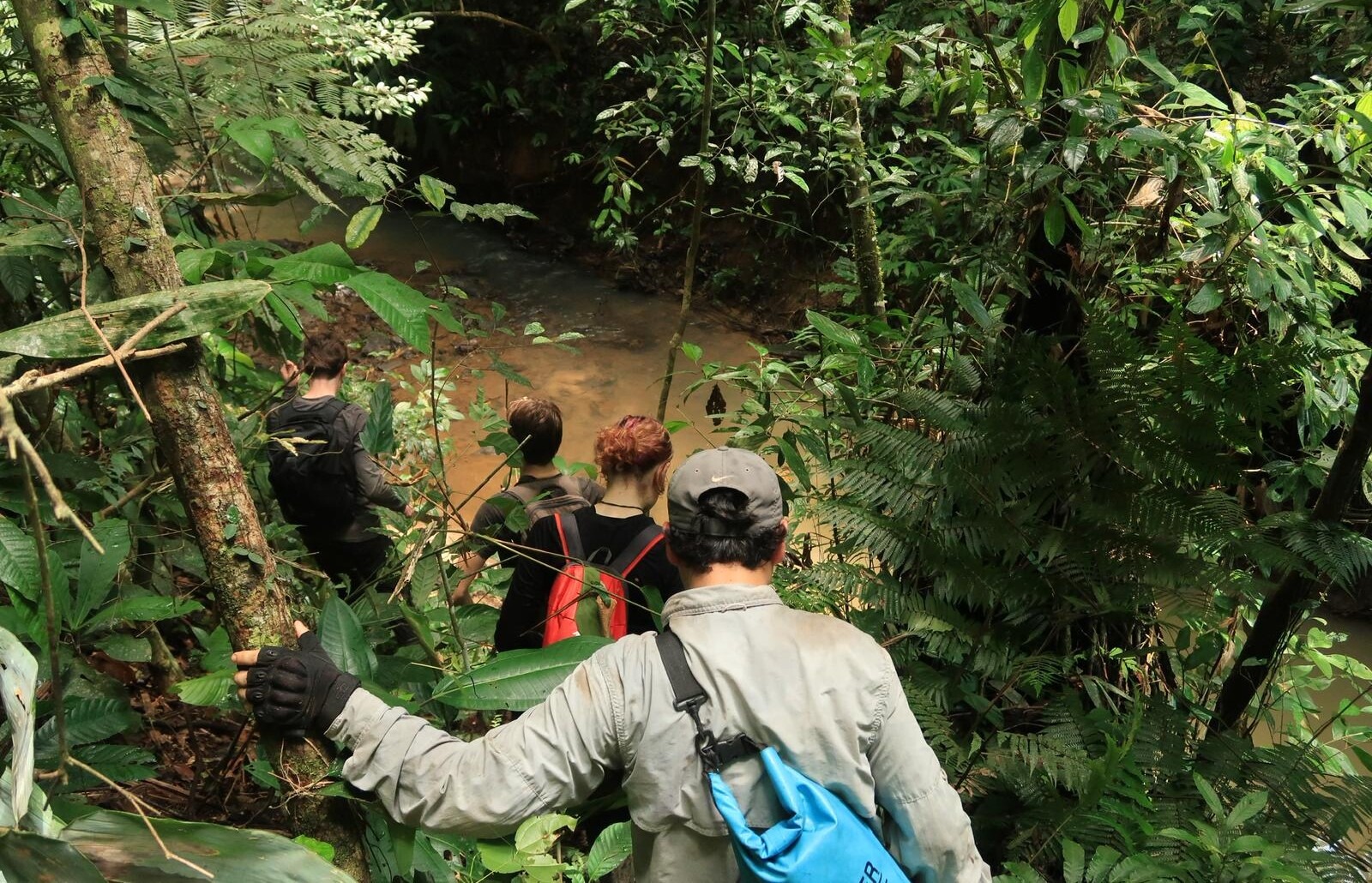
Current field-based research includes caiman monitoring and population dynamics, as well as primate (monkey) transects focused on population estimation and habitat use. We also conduct ongoing habitat classification work across the reserve, involving systematic measurements of forest structure such as tree density, diameter (DBH), and vegetation composition at regular intervals.
Participants may also take part in exploratory field surveys, where teams move off-trail to document previously unstudied areas of the forest. These expeditions contribute to identifying key ecological features such as rare or endangered tree species, unique habitat types, and other points of ecological interest.
In addition, Hoja Nueva maintains emerging datasets related to wildlife rehabilitation and rewilding, including post-release monitoring of select species. While this is a developing area of research, it may provide opportunities for participants to explore applied questions related to animal behavior, habitat use, and conservation outcomes.
Participants may also engage in behavioral observation projects involving wildlife in semi-wild or sanctuary contexts, often using camera-based monitoring to study activity patterns, enrichment responses, and species-specific behavior.
These projects allow participants to combine fieldwork with data analysis, depending on the scope and duration of their placement.
Independent and Custom Projects
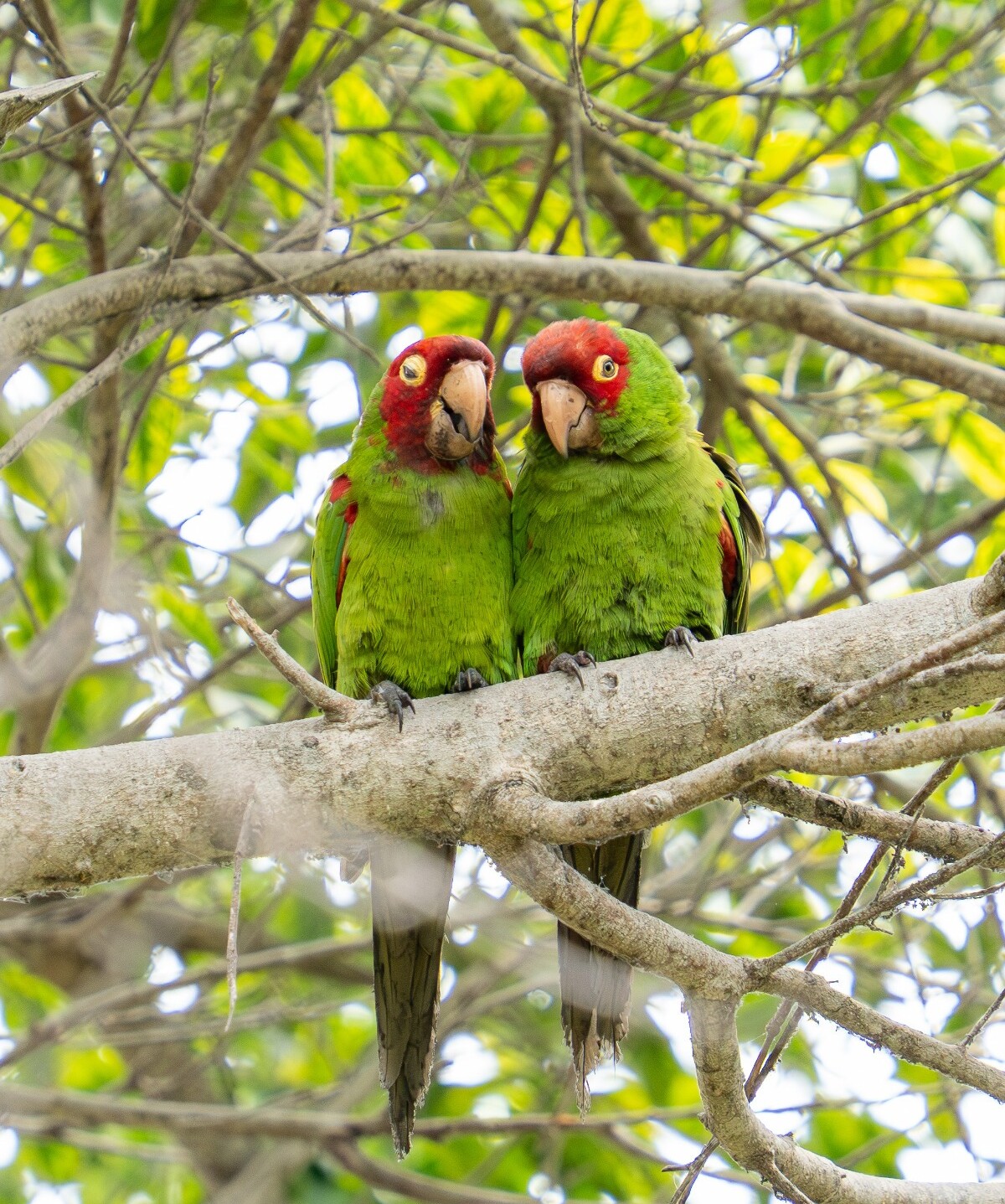
While Hoja Nueva’s core expertise lies in mammal ecology, camera trap research, and quantitative analysis, we can support a wide range of independently designed projects across taxa and disciplines. Participants may explore topics such as bird ecology, butterfly and insect diversity, primate behavior, herpetofauna surveys, forest structure and botany, animal behavior, habitat use, or broader questions related to ecosystem dynamics.
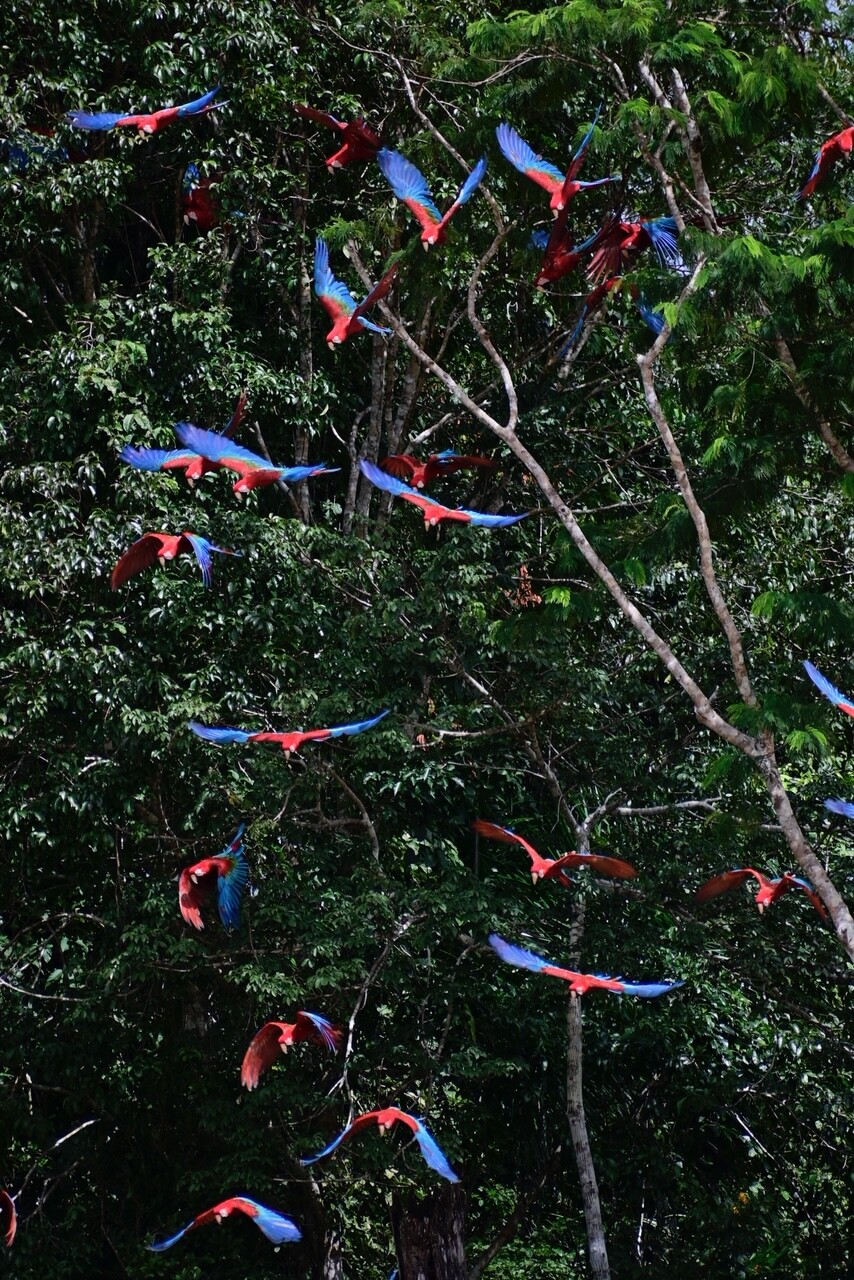
Our reserve also contains the largest known macaw clay lick along the Las Piedras River, offering unique opportunities for research on avian behavior, mineral use, species interactions, and rainforest ecosystem processes.
Participants pursuing independent projects receive guidance across the research process, including study design, methodology development, field logistics, data collection protocols, analysis, interpretation, and scientific writing. These projects are especially exciting for participants who want to develop their own research direction while working within a living conservation landscape.
Choosing Your Project
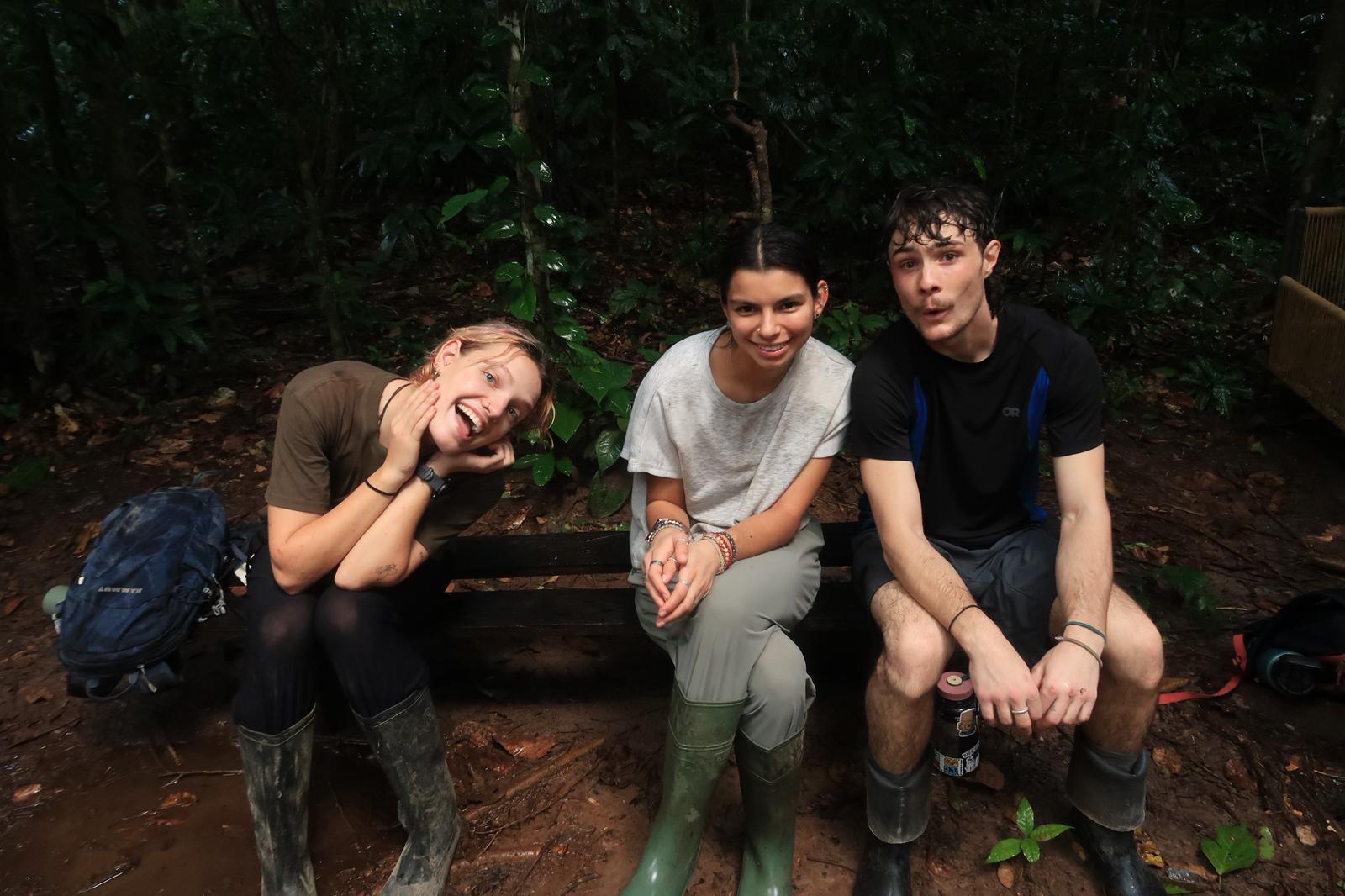
Some participants arrive with a clearly defined research question, while others develop their project during the placement. Both approaches are supported, but project scope must match the participant’s timeline, experience level, available data, and the amount of fieldwork required.
Shorter placements are usually best suited to existing datasets, clearly defined university requirements, or focused thesis components. Longer placements allow for more ambitious projects involving new data collection, deeper analysis, and manuscript development.
All projects are developed collaboratively to ensure they are feasible, rigorous, and aligned with Hoja Nueva’s research priorities. The goal is to choose a project that is exciting, realistic, and capable of producing meaningful research within the timeframe of the placement.
Mentorship
This placement includes weekly one-on-one mentorship, ongoing feedback, and support tailored to your academic level. The mentorship may cover research design, statistical modeling, coding, data visualization, writing, interpretation, and publication strategy.
Because this level of support is intensive, spaces are limited. The program also includes limited post-placement support to help participants continue progressing toward project completion, thesis submission, or publication after leaving the field site.
Research Independence, Connectivity & Time Management
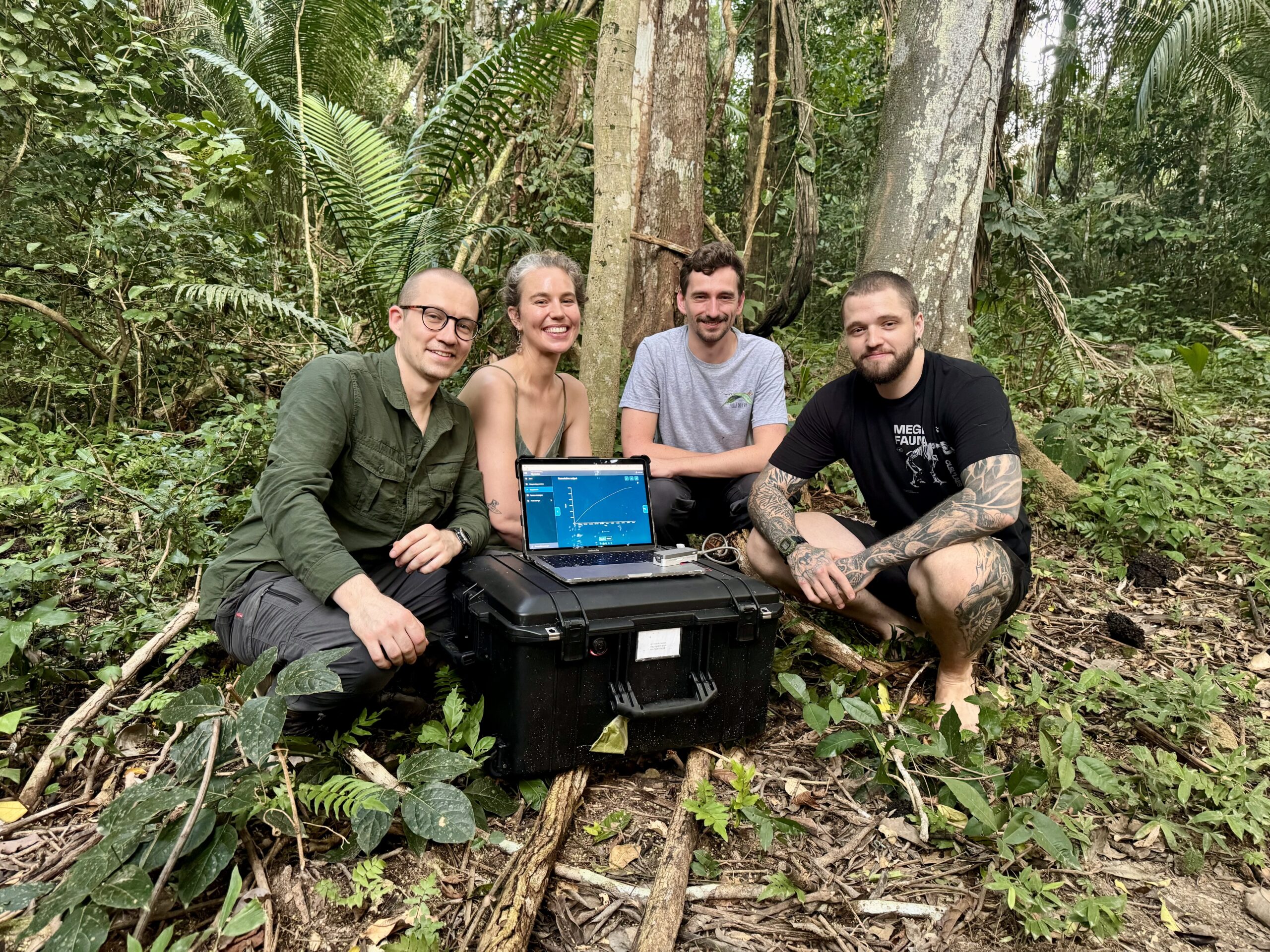
The Advanced Research Internship is designed for participants who are ready to manage their time independently while working toward a serious research goal. Mentorship is built into the placement, but much of the progress depends on the participant’s ability to stay organized, work through challenges, and use both field time and computer time effectively.
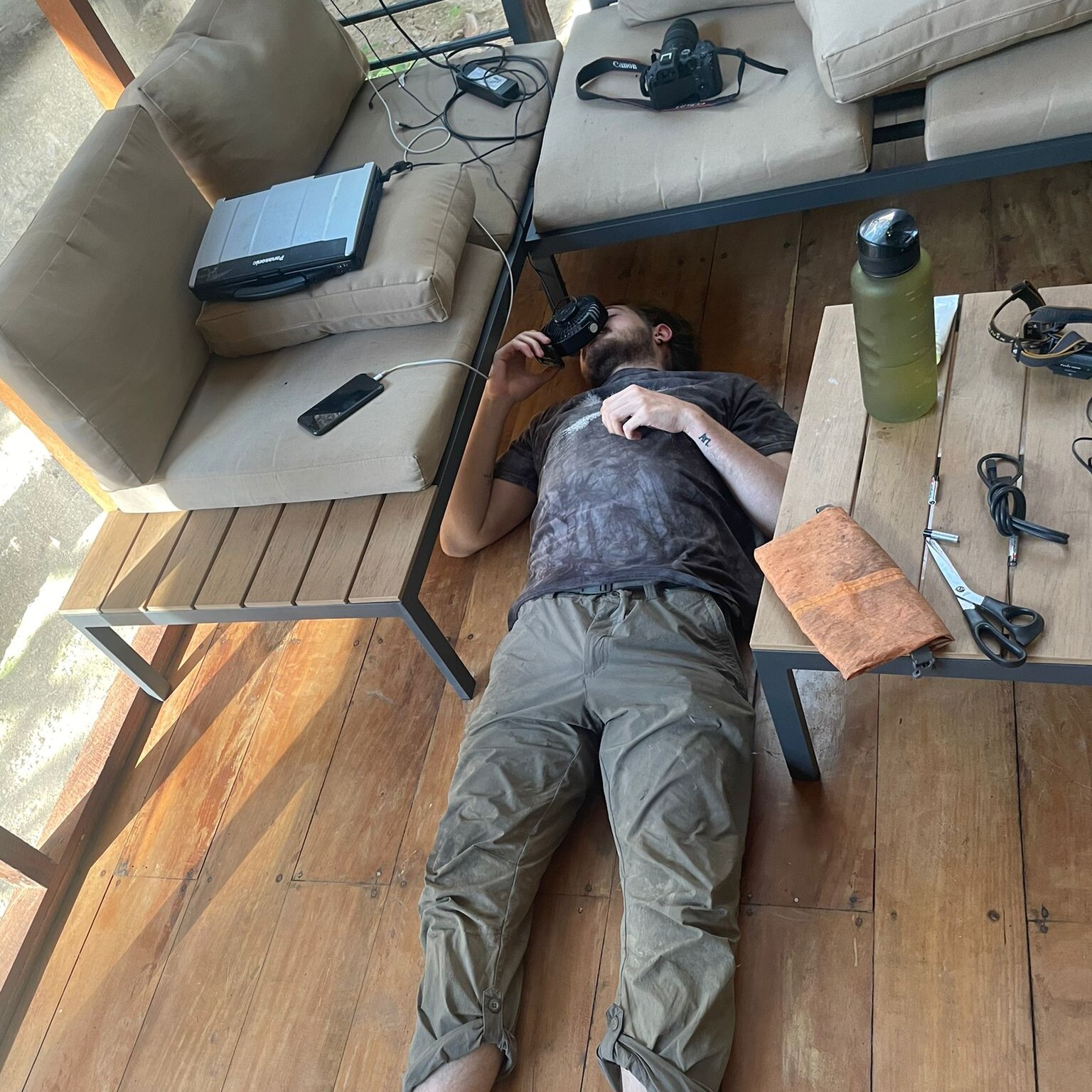
Hoja Nueva is a remote rainforest field site, and participants should expect basic off-grid conditions. Starlink Wi-Fi and charging are generally available for an average of 6–8 hours per day, depending on power, weather, site needs, and connectivity. Research participants who rely heavily on laptops, coding, cloud-based files, or internet access should be prepared to plan their work carefully around available power and Wi-Fi windows.
Much of the research process can and should happen offline. Depending on the project, this may include organizing camera trap files, reviewing footage, identifying individual animals, cleaning datasets, reading papers, writing, coding, preparing figures, or working through analysis scripts. Strong time management is especially important for participants working toward thesis deadlines, manuscript drafts, or publication-oriented outputs.
For the right participant, this balance of remote field life, independent research, and high-level mentorship is exactly what makes the placement so valuable.
Life at Hoja Nueva
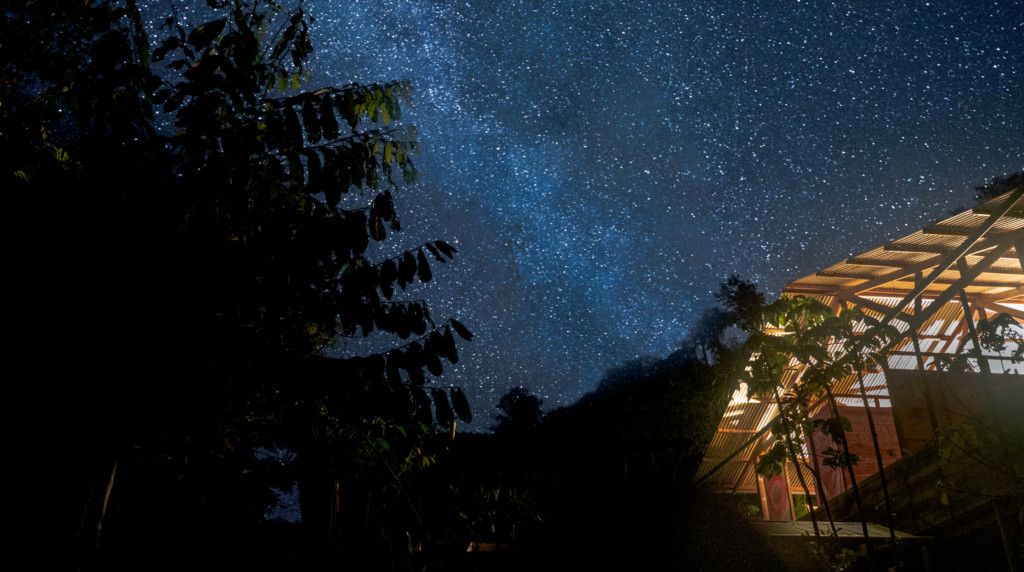
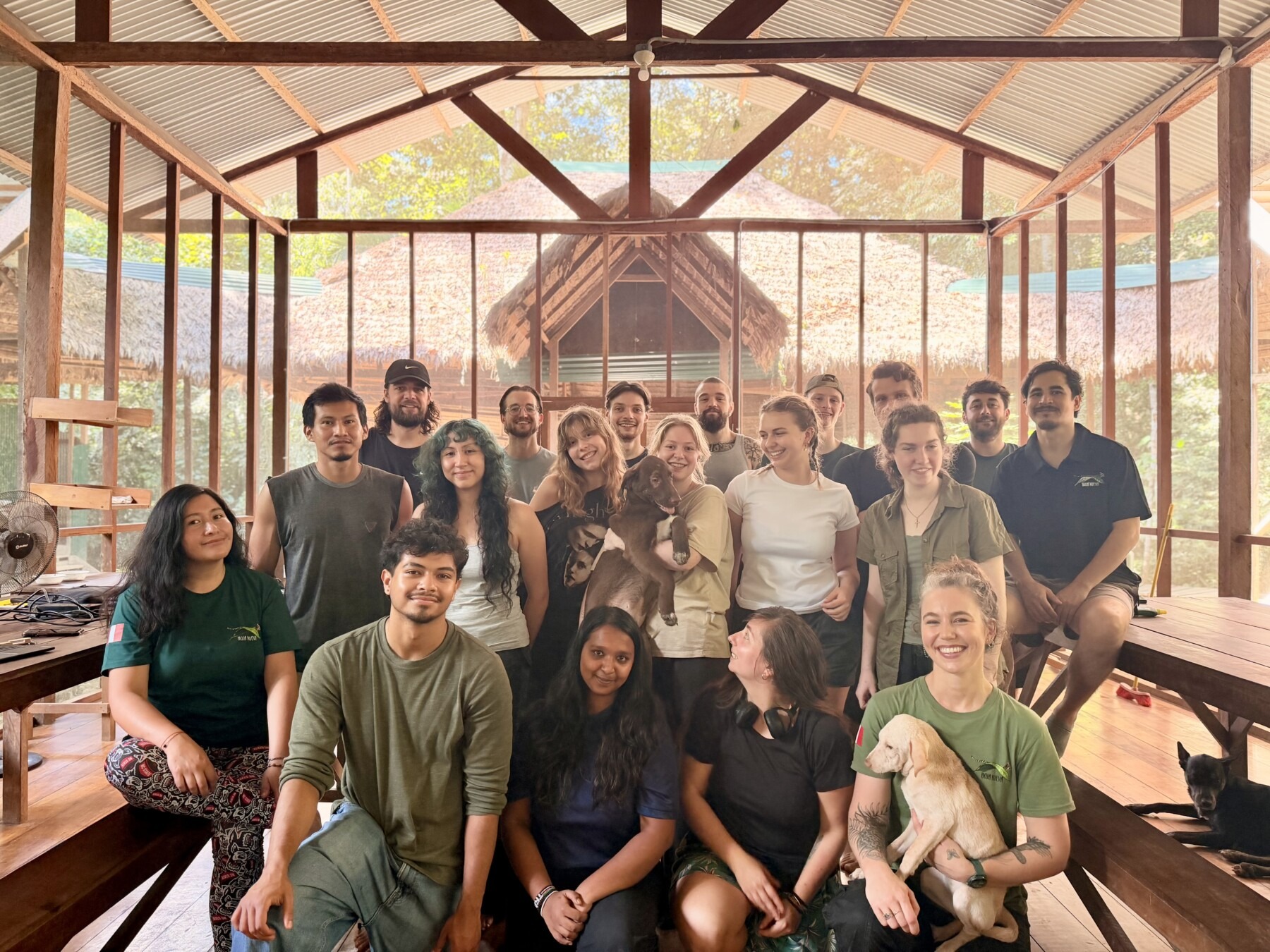
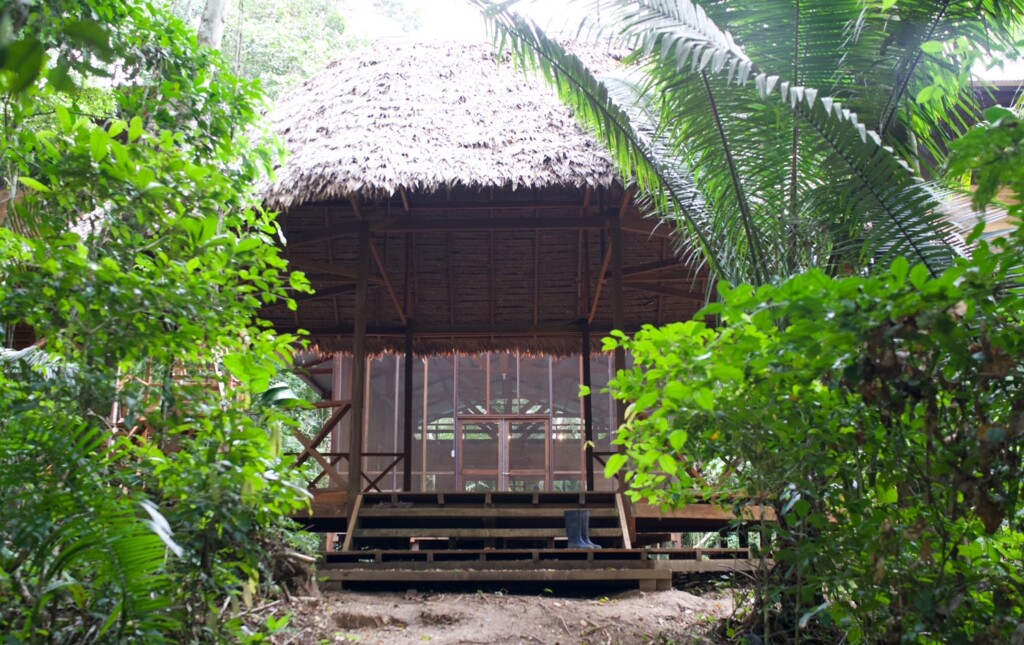
Advanced Research participants live on-site at the same rainforest field station as other interns and course participants. Accommodation is shared and simple, with beds, mosquito nets, communal spaces, solar-powered electricity, composting toilets, showers, hand-wash laundry, and Starlink Wi-Fi available during parts of the day.
Nutritious meals are provided, and participants live within a remote rainforest environment several hours from the nearest city. The setting is beautiful, biodiverse, and deeply immersive, but it also requires adaptability, patience, and comfort with basic field conditions.
A Typical Day
The Advanced Research Internship is more intellectual, independent, and project-driven than the Immersive Conservation Internship. A typical day may involve data analysis, coding, literature review, scientific writing, project meetings, camera trap image review, individual animal identification, field planning, or independent work.
Participants may also join fieldwork, camera trap hikes, wildlife surveys, rehabilitation activities, jungle walks, or other conservation activities when appropriate. We encourage research participants to experience the forest as much as their project allows — the best research comes from understanding both the data and the ecosystem behind it.
At the same time, this placement requires more focused project time than the Immersive Conservation Internship. Participants may sometimes need to miss general activities in order to make progress on data processing, statistical analysis, writing, or publication-oriented goals. The balance between field participation and research time depends on the project, the participant’s goals, and the length of stay.
Life at Hoja Nueva also includes shared responsibilities that help keep the field station running. We are a remote research and conservation site, not a hotel, and everyone contributes to communal life. This may include weekly cleaning blocks, rotating cooking responsibilities, helping with food and supply orders, carrying supplies into camp, and occasional rescue-center support such as gathering natural enrichment materials from the forest.
Research participants should be prepared for a flexible rhythm: some days may be field-heavy, some may be computer-based, and some may involve meetings, site support, or independent work. Success in this placement comes from balancing freedom, focus, and participation in the broader life of Hoja Nueva.
Who This Is For
This program is designed for individuals seeking a serious, research-driven experience in tropical ecology and conservation. It is well suited to Master’s and PhD students, advanced undergraduates completing thesis-level work, early-career researchers, and highly motivated individuals outside traditional academic pathways who are pursuing independent research, preparing for a career transition, or hoping to develop publishable scientific work.
Applicants do not need to be currently enrolled in a degree program, but they must demonstrate a clear commitment to research and the ability to engage with the scientific process in a focused, sustained way.
Participants should be independent, self-motivated, comfortable receiving feedback, and excited by the full research process — not only fieldwork, but also organizing data, thinking critically, analyzing results, writing, revising, and solving problems as they arise.
Best fit for applicants who:
- Want to complete a thesis, manuscript, or publication-oriented project
- Are comfortable with independent work and feedback
- Understand that research includes fieldwork, data processing, analysis, and writing
- Are excited by the Amazon rainforest — and by the discipline required to study it seriously
Outcomes
The goal of this placement is to produce a completed research project, thesis chapter, manuscript draft, or publication-oriented output. While publication can never be absolutely guaranteed, the placement is designed to give participants a strong pathway toward publishable work when time, project quality, and commitment align.
Participants leave with advanced research experience, stronger analytical skills, scientific writing support, and high-level mentorship in tropical ecology and conservation science.
The strongest outcomes usually come from participants who arrive prepared to work independently, stay long enough to revise and refine their project, and continue collaborating after leaving the field site.
Duration, Pricing, & Scope
The Advanced Research Internship has a recommended minimum stay of two months because meaningful research takes time. One-month placements may be considered in exceptional cases, particularly for participants with a clearly defined project, existing dataset, or focused university requirement.
Program fees are tiered to encourage longer stays, as additional time allows for stronger mentorship, deeper analysis, better project development, and greater potential for thesis- or publication-oriented outcomes.
Sample Program Fees:
One Month
$1,900
Two Months
$3,500
Three Months
$4,950
Four Months
$6,200
Five Months
$7,250
Six Months
$8,100
Choosing the right length of stay depends on your goals. One- to two-month placements can be valuable for focused research objectives, university requirements, or thesis components, especially when the project is clearly defined. However, this timeframe is not always sufficient for producing a publishable paper, particularly if the project requires new field data collection, extensive data processing, species identification, or development from the beginning.
For participants hoping to work toward a manuscript or peer-reviewed publication, we recommend a minimum stay of three months whenever possible. This is especially true for projects using Hoja Nueva’s long-term datasets, such as multi-year camera trap data, where there is already a strong foundation but still significant work required in data cleaning, analysis, interpretation, and writing.
What's Included
Your placement fee includes weekly one-on-one mentorship with a PhD-level ecologist, support with project design, analysis, interpretation, and writing, access to datasets and research infrastructure, optional participation in fieldwork or rehabilitation activities, accommodation, meals, transport to/from Puerto Maldonado, and on-site living.
Participants also receive access to the broader field-station experience, including selected research hikes, conservation activities, and site responsibilities that help them understand the realities of working and living at a remote Amazonian research center.
This is a premium-tier placement reflecting the individualized mentorship and academic support involved. A deposit is required to secure your placement, with the remaining balance due prior to arrival.
Ready to Join Us?
The Advanced Research Internship is an opportunity to conduct meaningful scientific work in one of the most biodiverse ecosystems on Earth, with direct mentorship and support throughout the research process.
If you are ready to take on a serious research project, work independently in a remote field setting, and contribute to long-term conservation science in the Amazon, we’d love to hear from you.