

Applications Closed - Course in Progress
Sep - Nov 2026
Wildlife Rehabilitation & Rewilding Certificate Course
A 12-week intensive professional training program combining scientific instruction, supervised practical experience, and life inside an active wildlife rescue and rewilding center in the Peruvian Amazon.
September 1, 2026 · Madre de Dios, Peru
12 weeks · Maximum 6 participants
Program Overview
Professional Training in Wildlife Rehabilitation and Rewilding
The Hoja Nueva Wildlife Rehabilitation & Rewilding Certificate Internship is designed for people serious about pursuing a future in wildlife rehabilitation, rewilding, veterinary care, animal welfare, or conservation.
Participants live and train at Hoja Nueva’s Amazonian research and rewilding center for 12 weeks, combining structured theoretical instruction with full-time participation in the daily work of wildlife rehabilitation.
This is not a general volunteer placement, wildlife tourism experience, or paid position. It is an intensive, tuition-based professional training program built around the realities, responsibilities, and ethical demands of preparing rescued wildlife for life back in the wild.
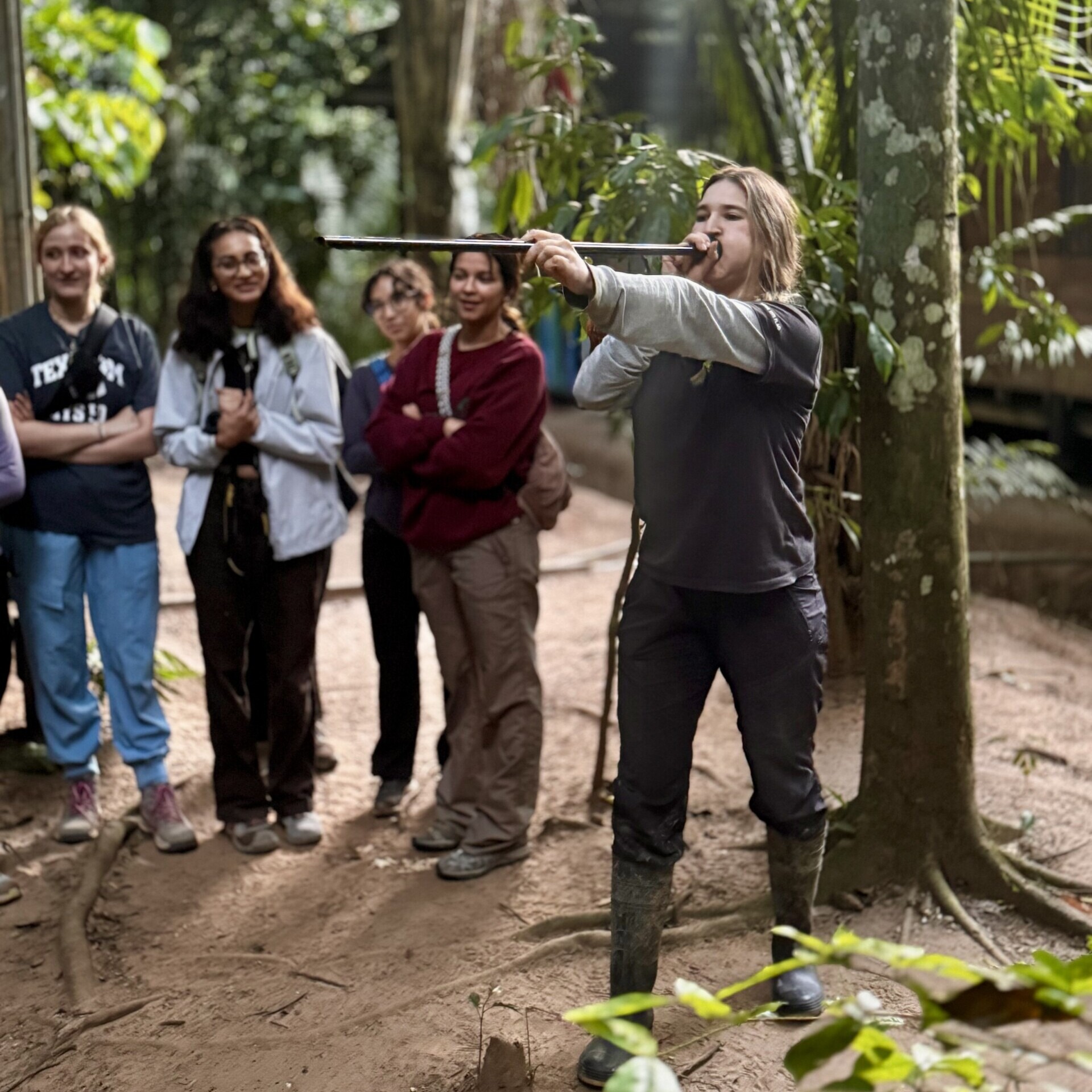
An Intensive 12-Week Experience
- 50+ Hours of THEORETICAL Instruction
- 430+ Hours of Supervised Practical Training
- 6 Participants Maximum Per Cohort
- 5 Days Per Week Working Inside the Rescue Center
Nearly 500 hours of combined professional
instruction and practical work experience.
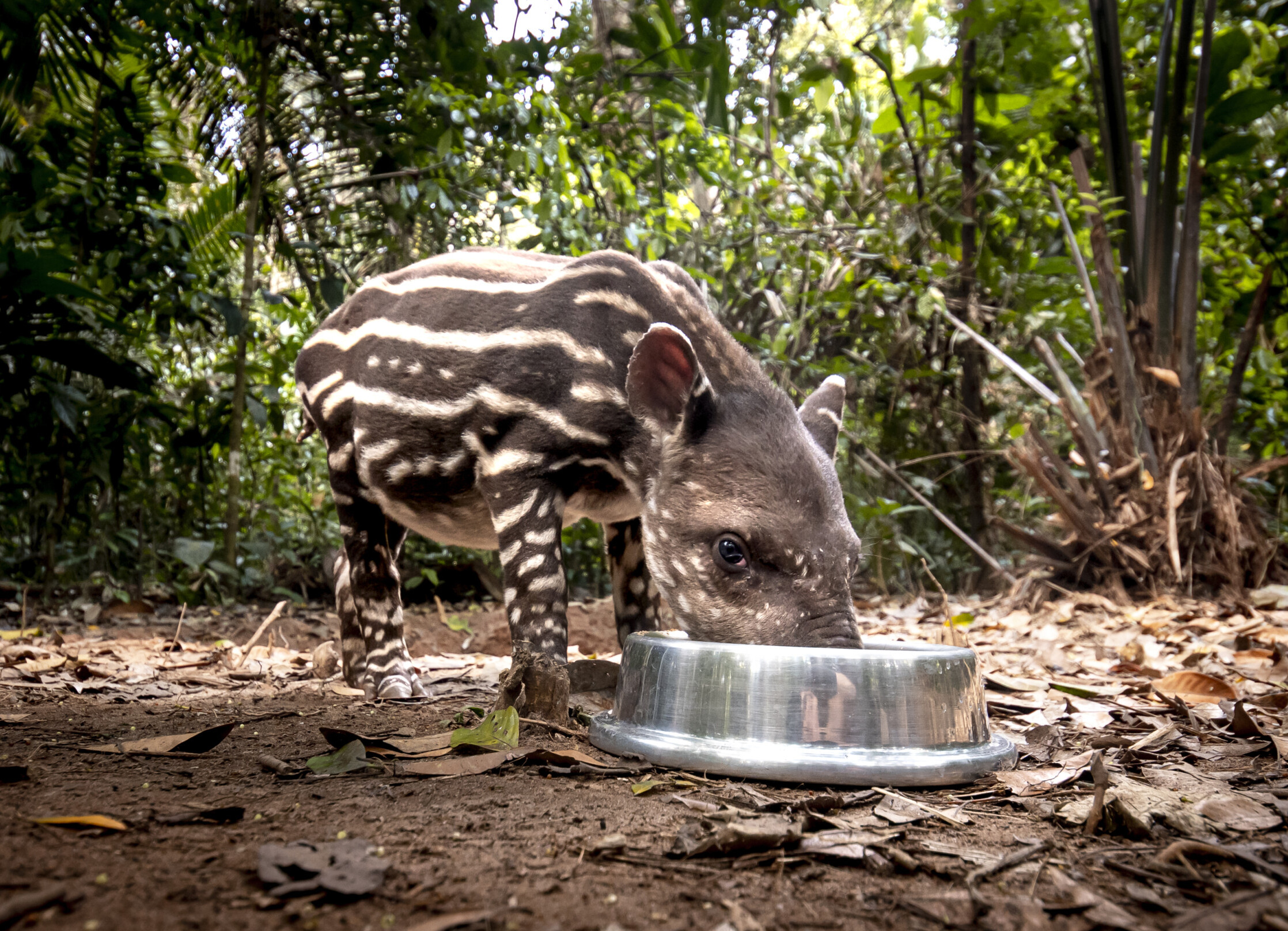
Why Train at Hoja Nueva?
Learn Where Rewilding Is Practiced Every Day
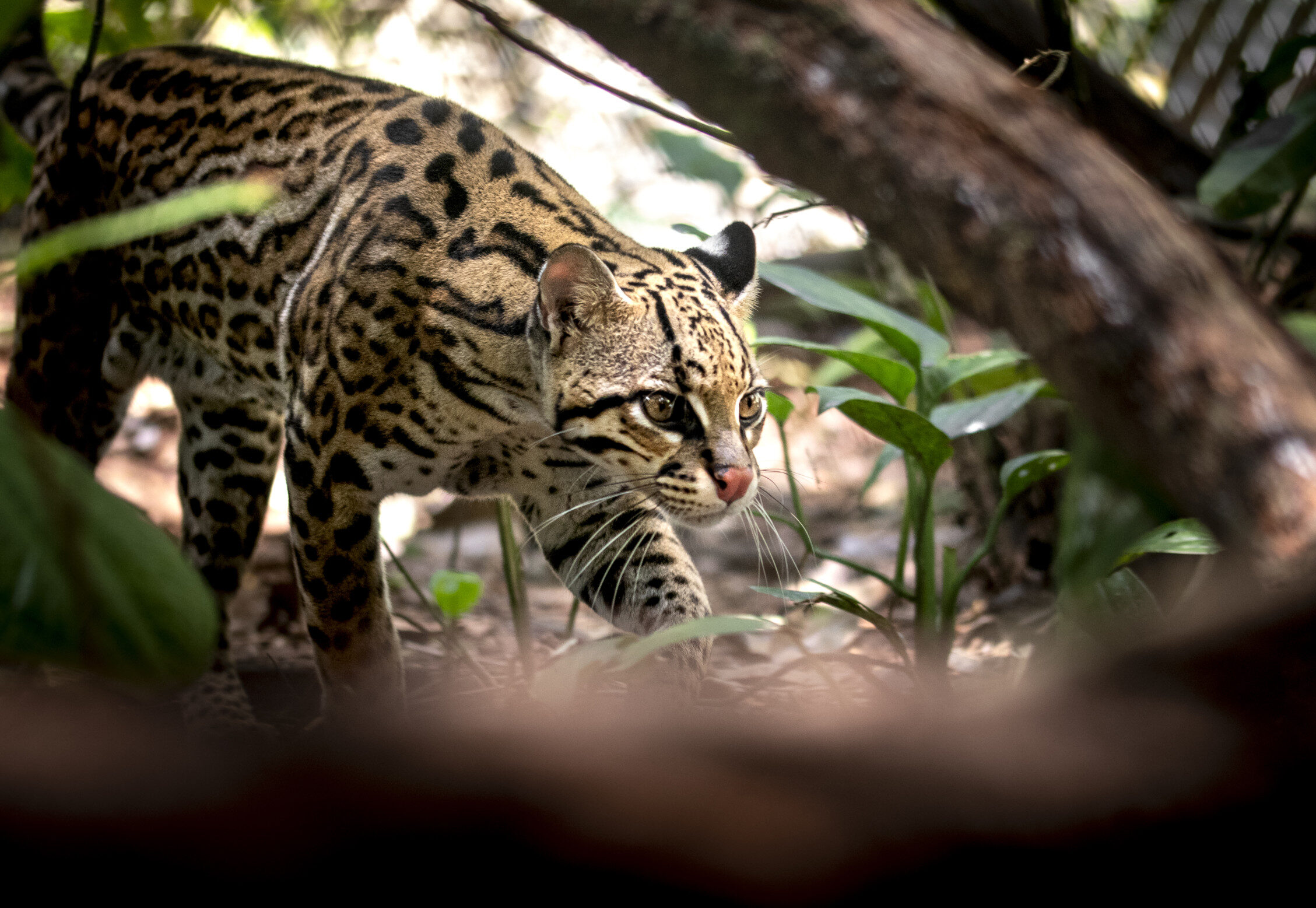
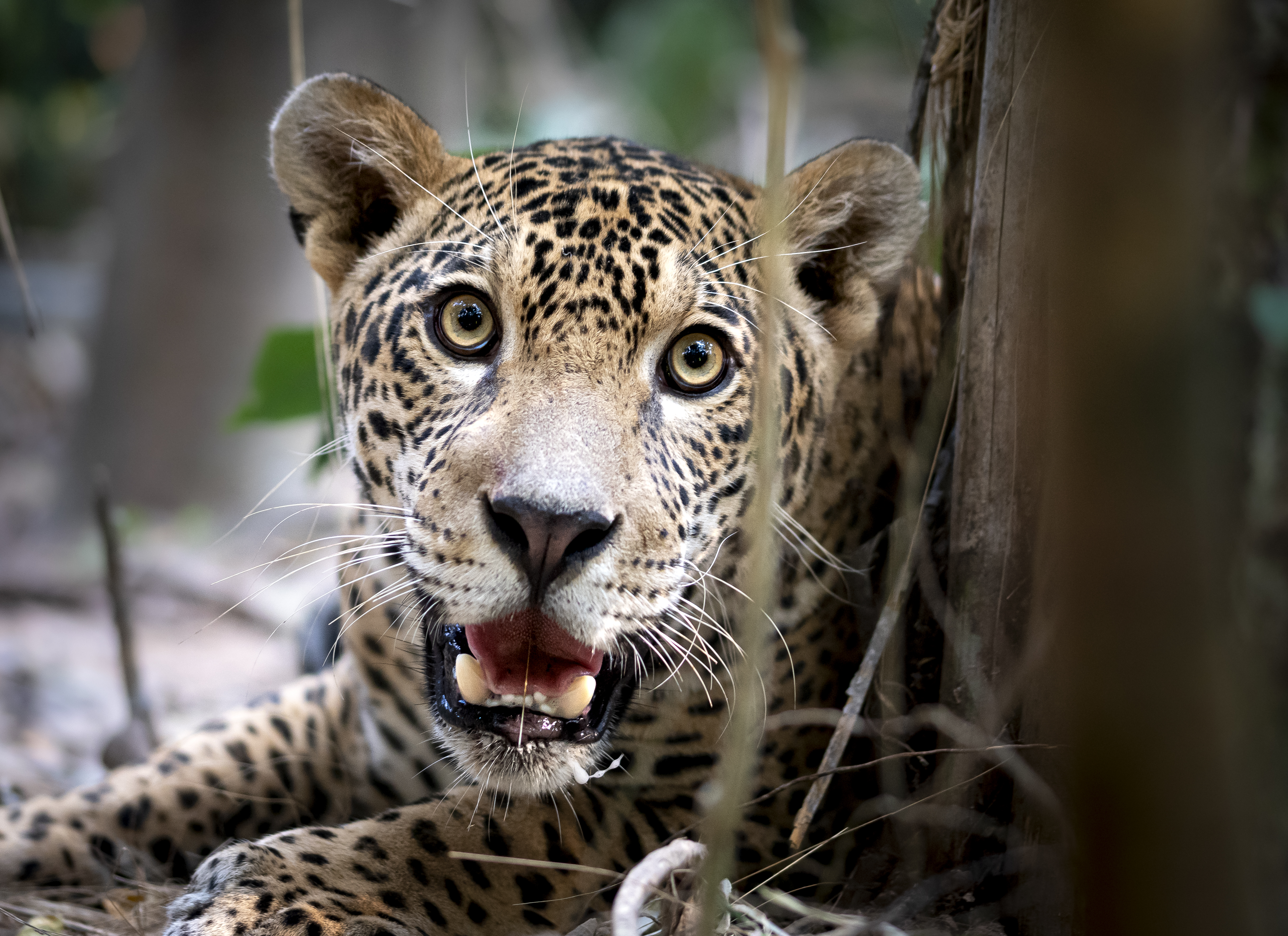
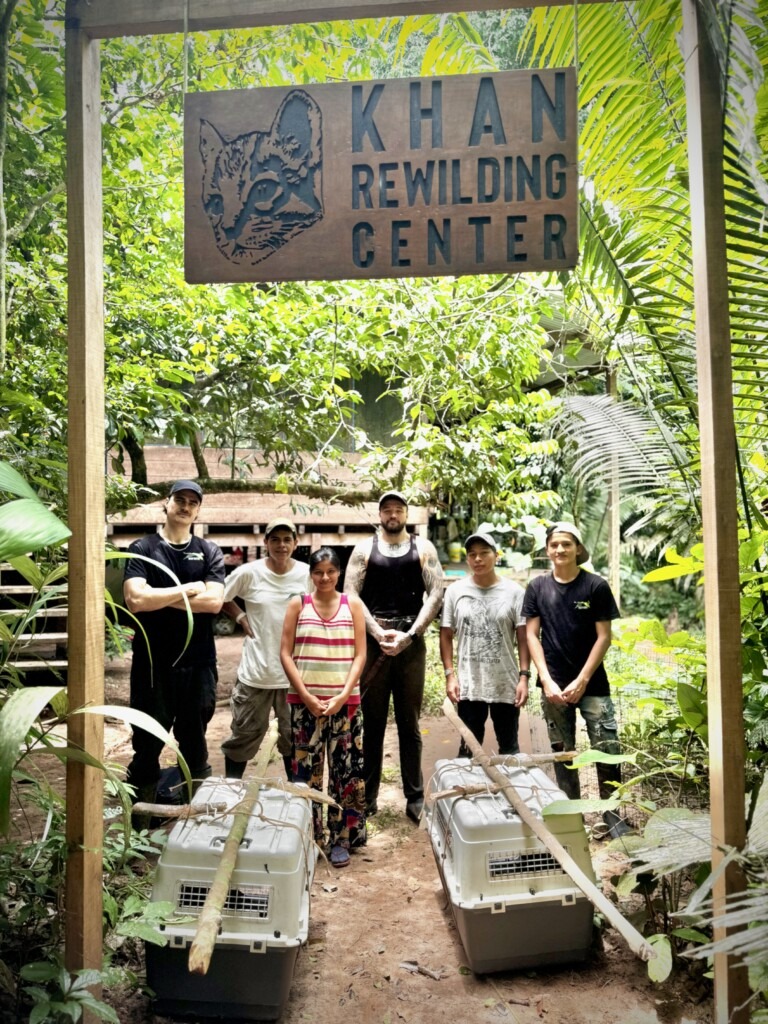
Hoja Nueva is a nonprofit conservation organization working at the intersection of wildlife rescue, scientific research, habitat protection, and applied rewilding in the Peruvian Amazon. Our team has pioneered rehabilitation and rewilding methods for neotropical carnivores and other species often considered especially difficult to return to the wild after human habituation. Participants learn directly from Hoja Nueva’s directors and rehabilitation team inside an active center where nutrition, enrichment, health, behavior, release planning, and post-release monitoring inform real decisions every day.
How the Program Works
Theory, Practice, Assessment, and Mentorship
Participants complete approximately 40 hours of scheduled training each week.
The program includes:
- Approximately 36 hours of supervised practical work per week
- Approximately four hours of structured instruction per week
- Weekly lectures and participatory learning activities
- Case studies and rehabilitation discussions
- Weekly quizzes
- A collaborative project completed in pairs
- A final examination
- Ongoing feedback and mentorship
Practical training generally takes place Monday through Friday. Weekends are normally free apart from independent study, quizzes, and occasional schedule changes related to animal care or center operations.
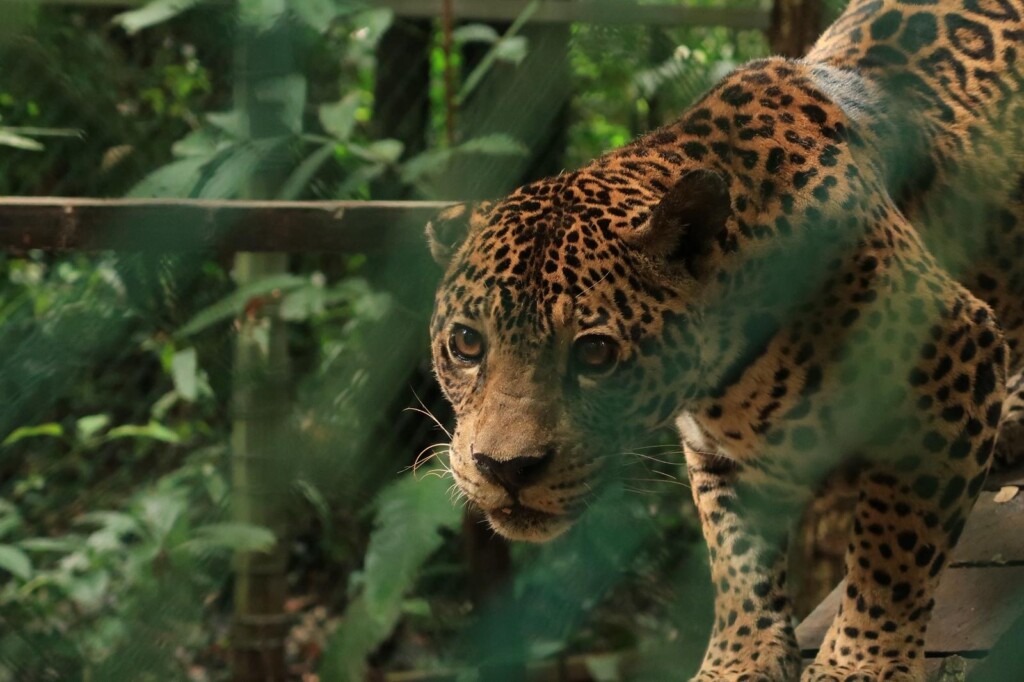
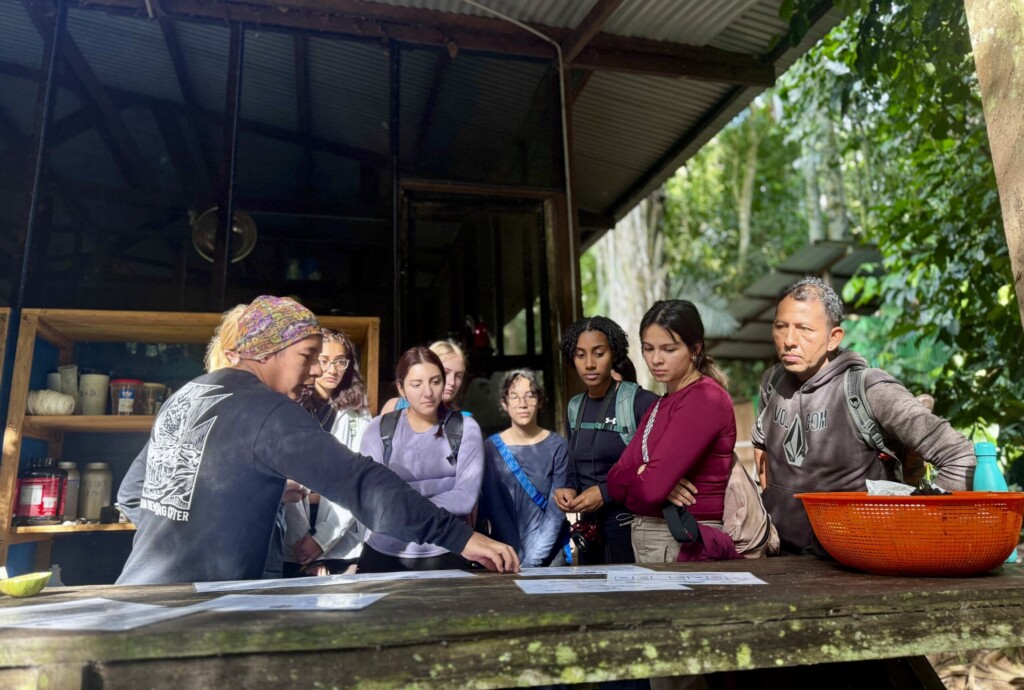
Practical Experience
Participate in the Full Rehabilitation Process
By the end of the program, participants will have contributed to the principal areas of husbandry and rehabilitation practiced at Hoja Nueva.
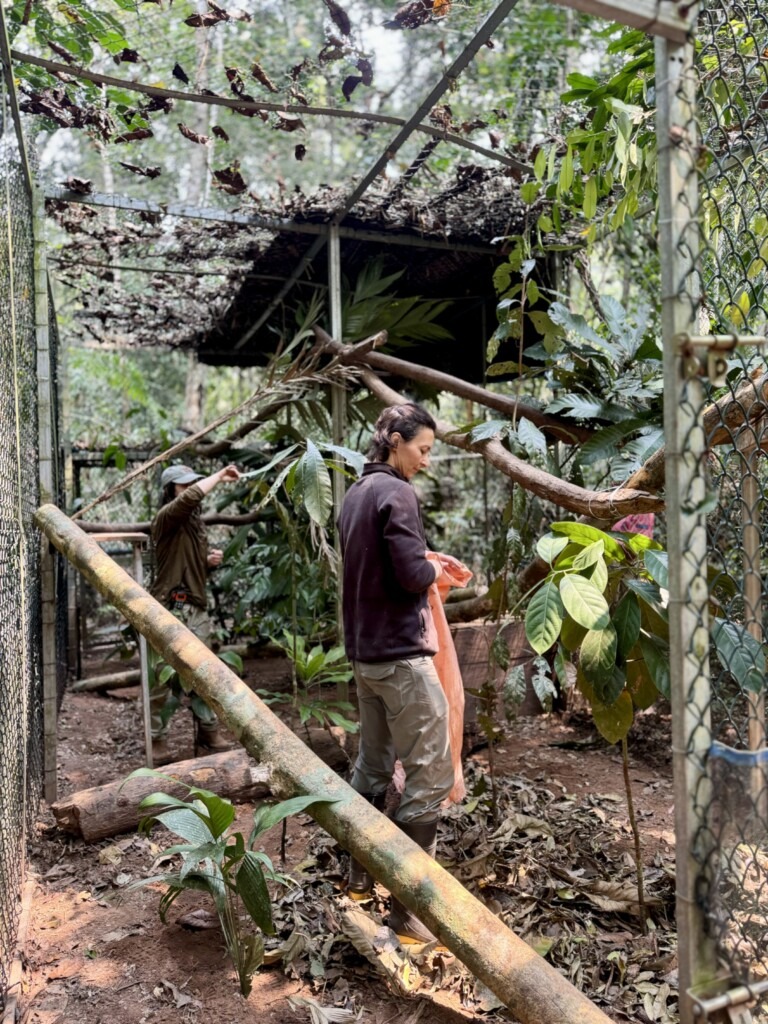
Practical experience may include:
- Diet preparation and feeding
- Enclosure cleaning and sanitation
- Environmental and behavioral enrichment
- Behavioral observation and interpretation
- Health and welfare monitoring
- Enclosure management and habitat preparation
- Rehabilitation recordkeeping
- Biosecurity and preventive care
- Case discussions and rehabilitation planning
- Pre-release preparation and readiness assessment
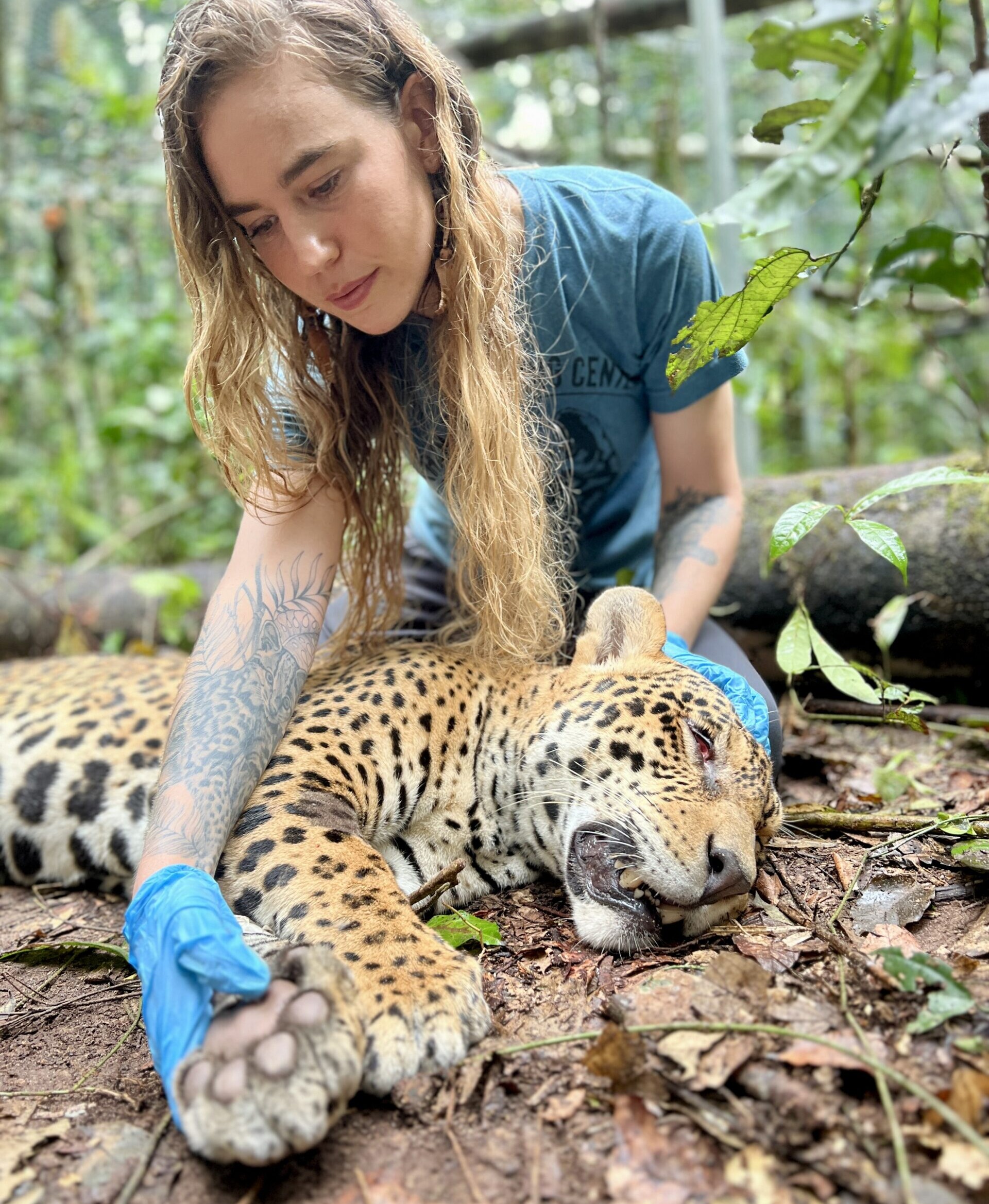
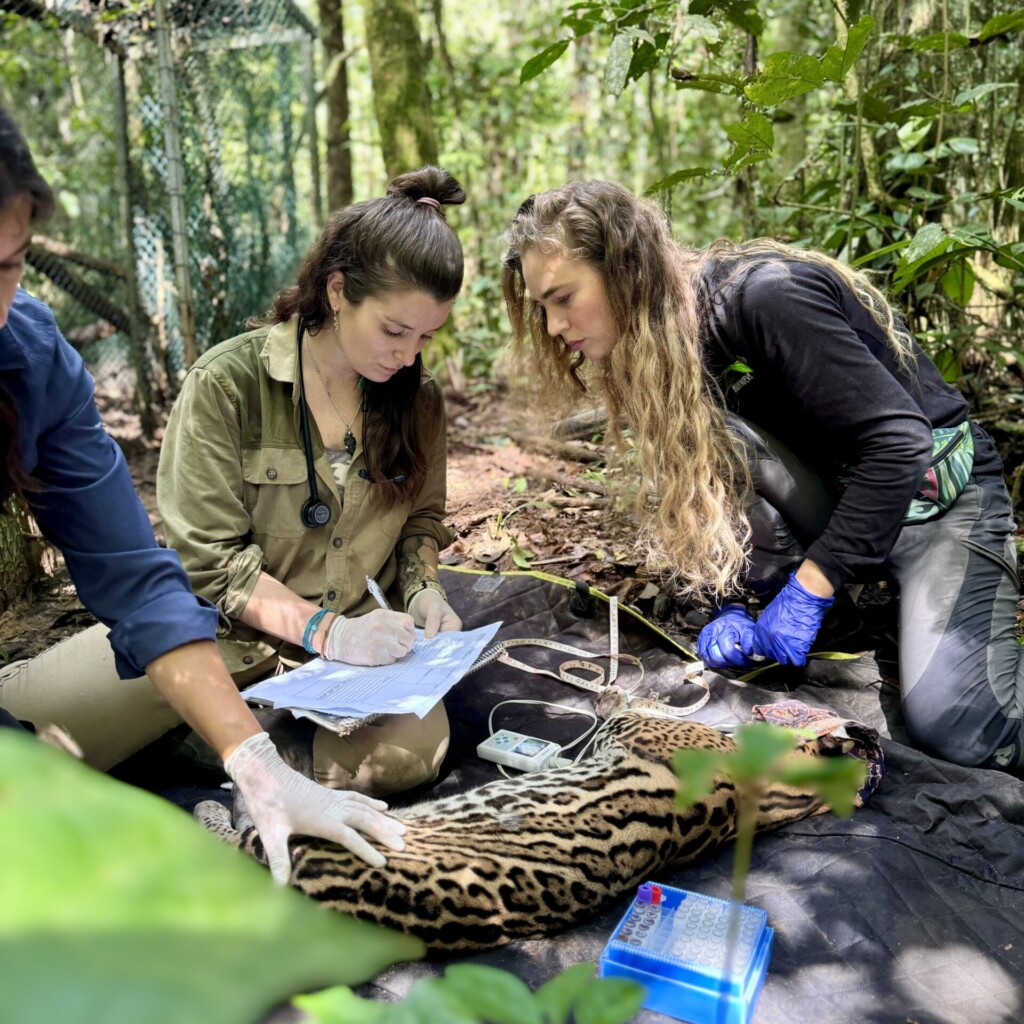
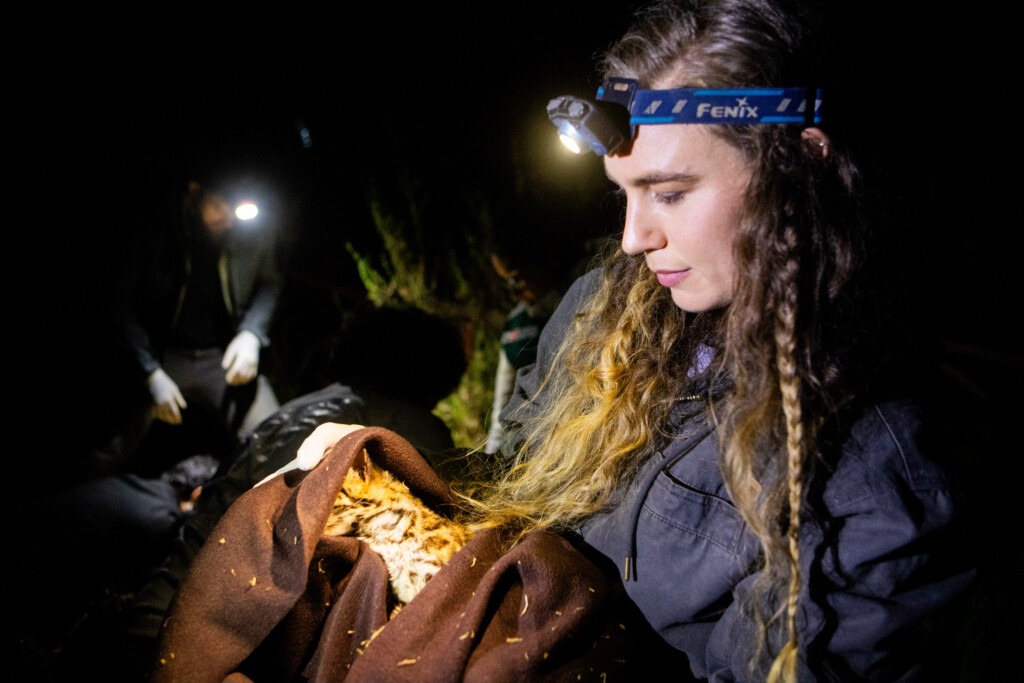
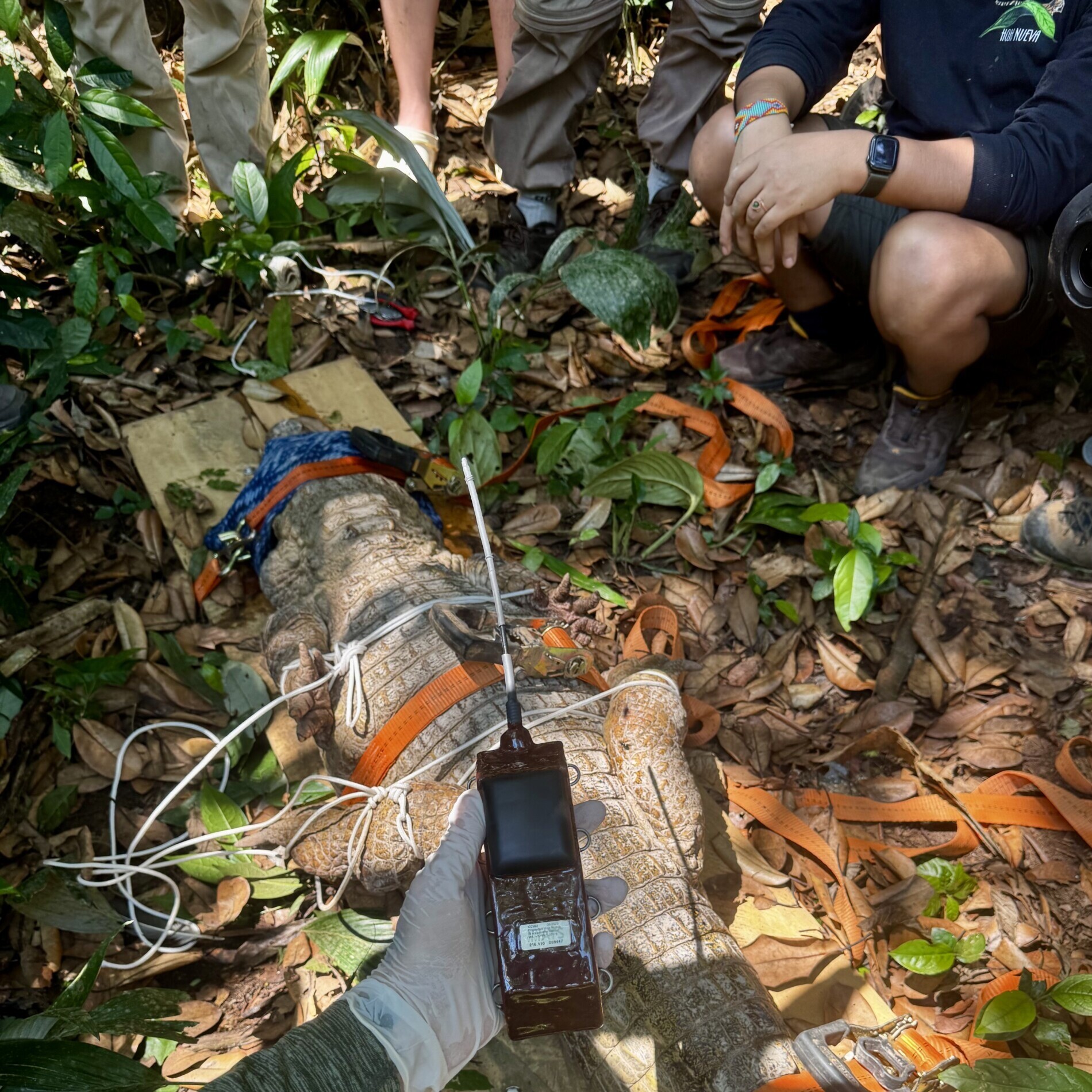
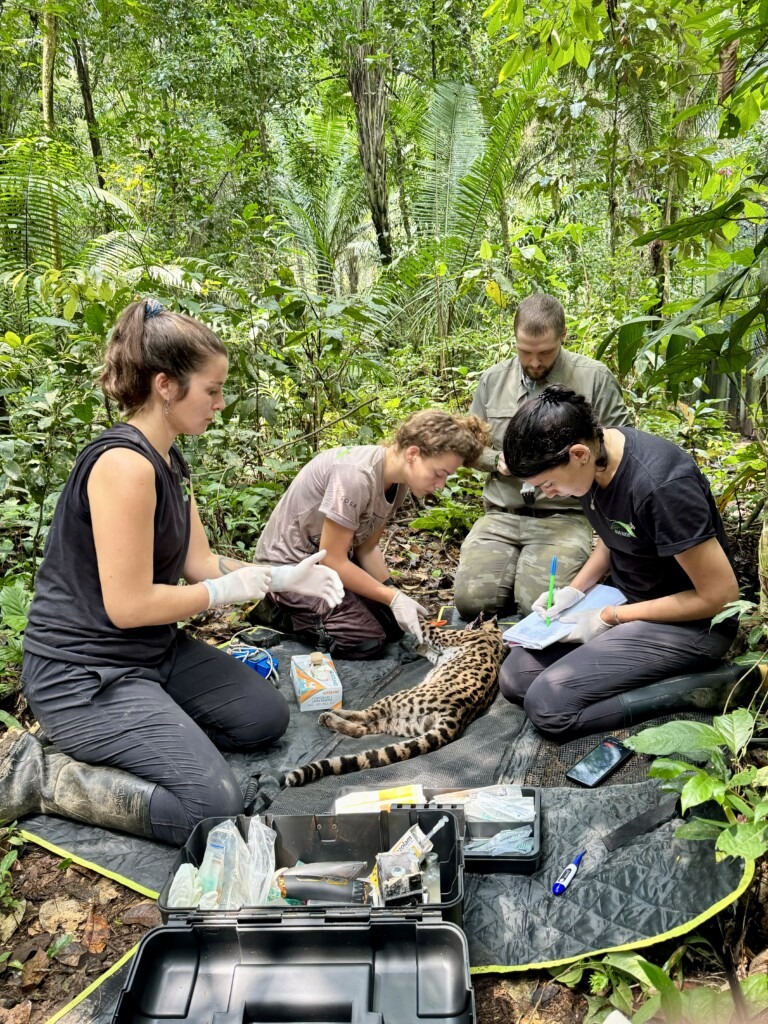
When appropriate cases occur, participants may also assist with or observe wildlife intake, emergency care, clinical management, pre-release evaluations, release logistics, and post-release monitoring.
Specific species, procedures, and releases cannot be guaranteed. All participation depends on animal welfare, professional scope, staff supervision, and the needs of each individual case.
Course Curriculum
A Progressive 12-Week Curriculum
Module 1: Foundations
Weeks 1–4
- Introduction to rewilding
- Wildlife trafficking and rehabilitation ethics
- Environmental and behavioral enrichment
- Scientific nutrition and diet design
- Health management and minimally invasive care
- Husbandry, welfare, and biosecurity
Module 2: Applied Rewilding
Weeks 5–8
Species-specific rehabilitation of:
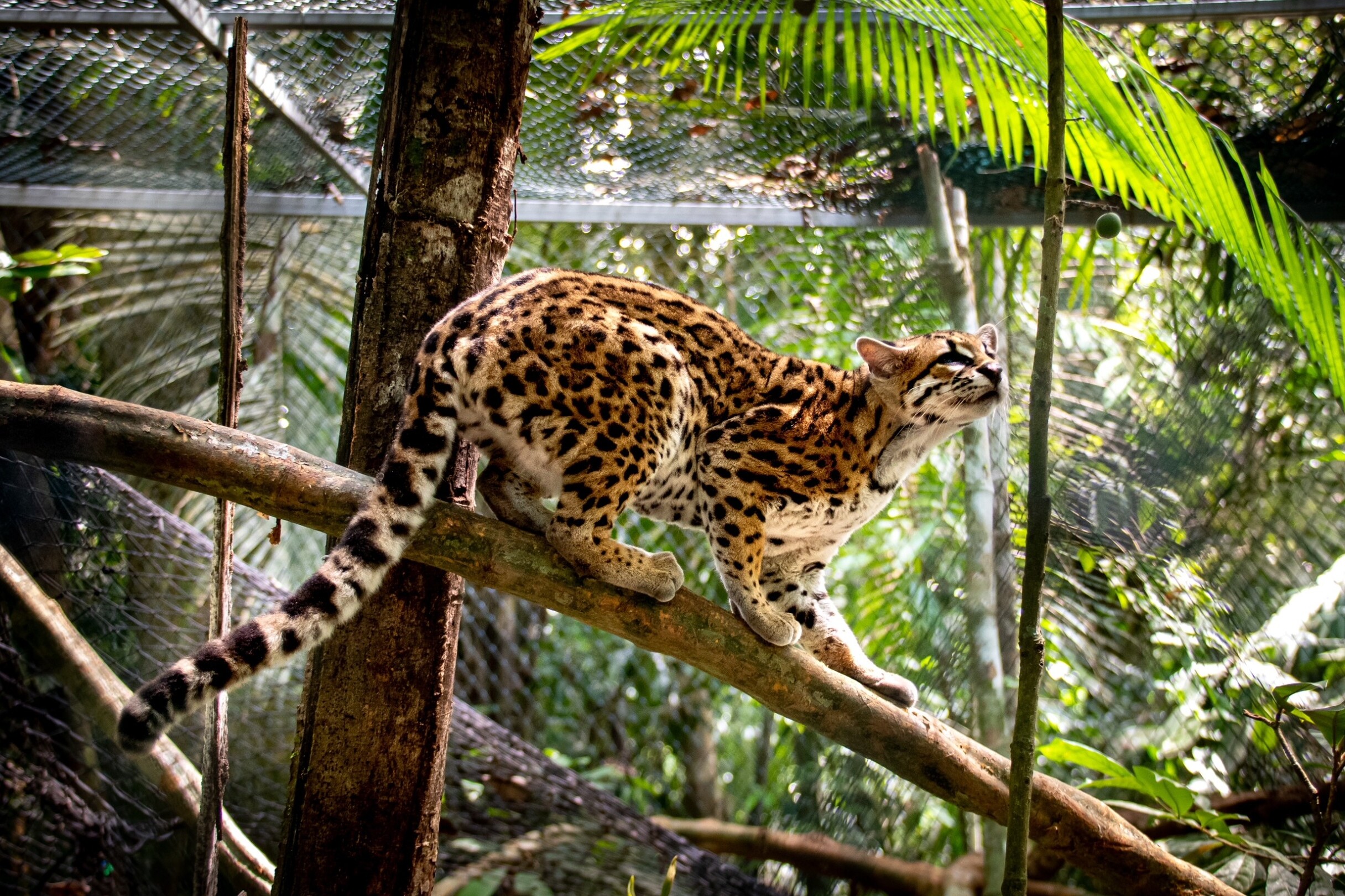
- Felids
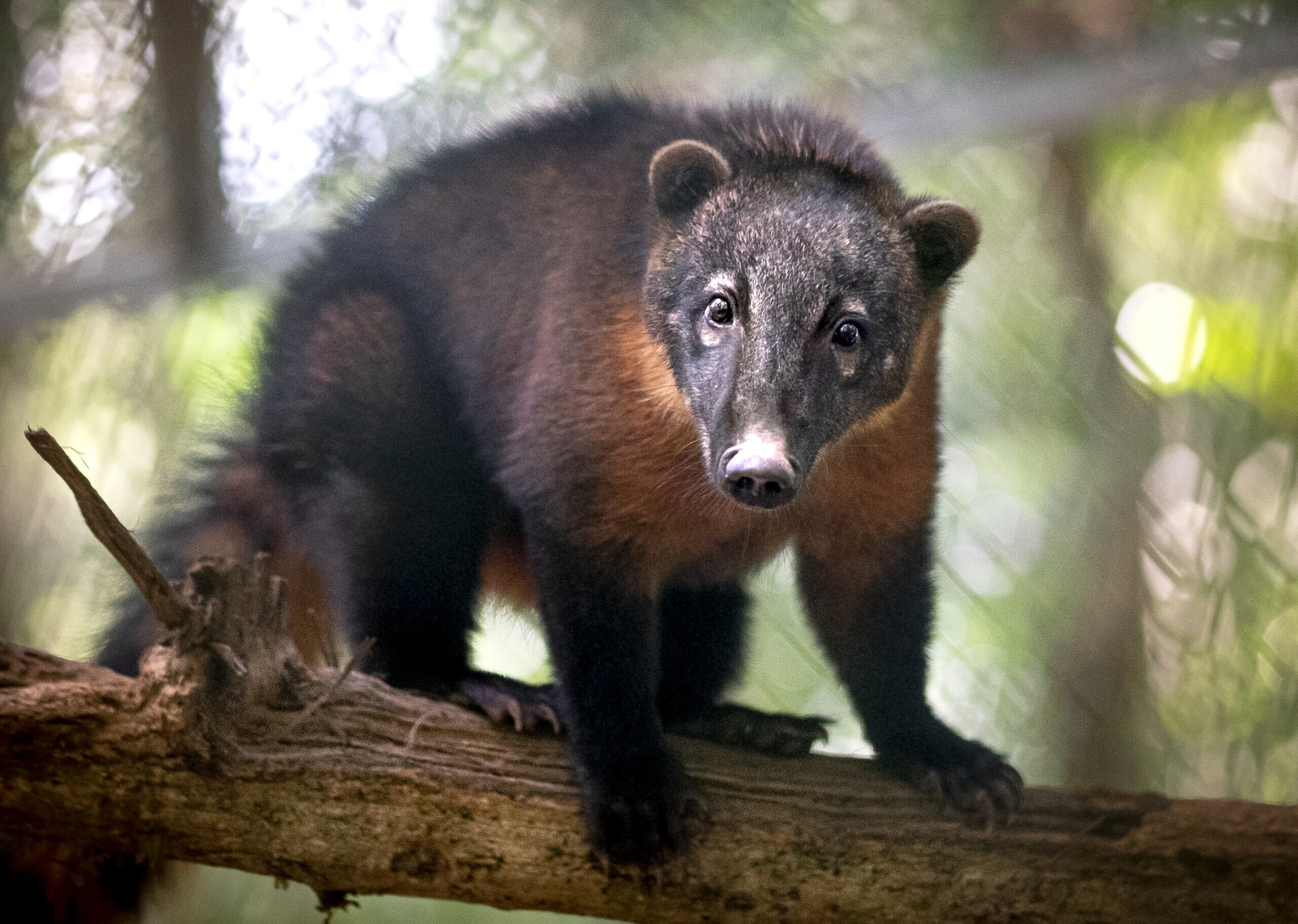
- Procyonids
- Peccaries and other suids
- Reptiles
Each group is examined through its biology, physiology, behavior, housing, nutrition, enrichment, health, and release requirements.
Module 3: Advanced Management
Weeks 9–12
- Ethology and behavioral interpretation
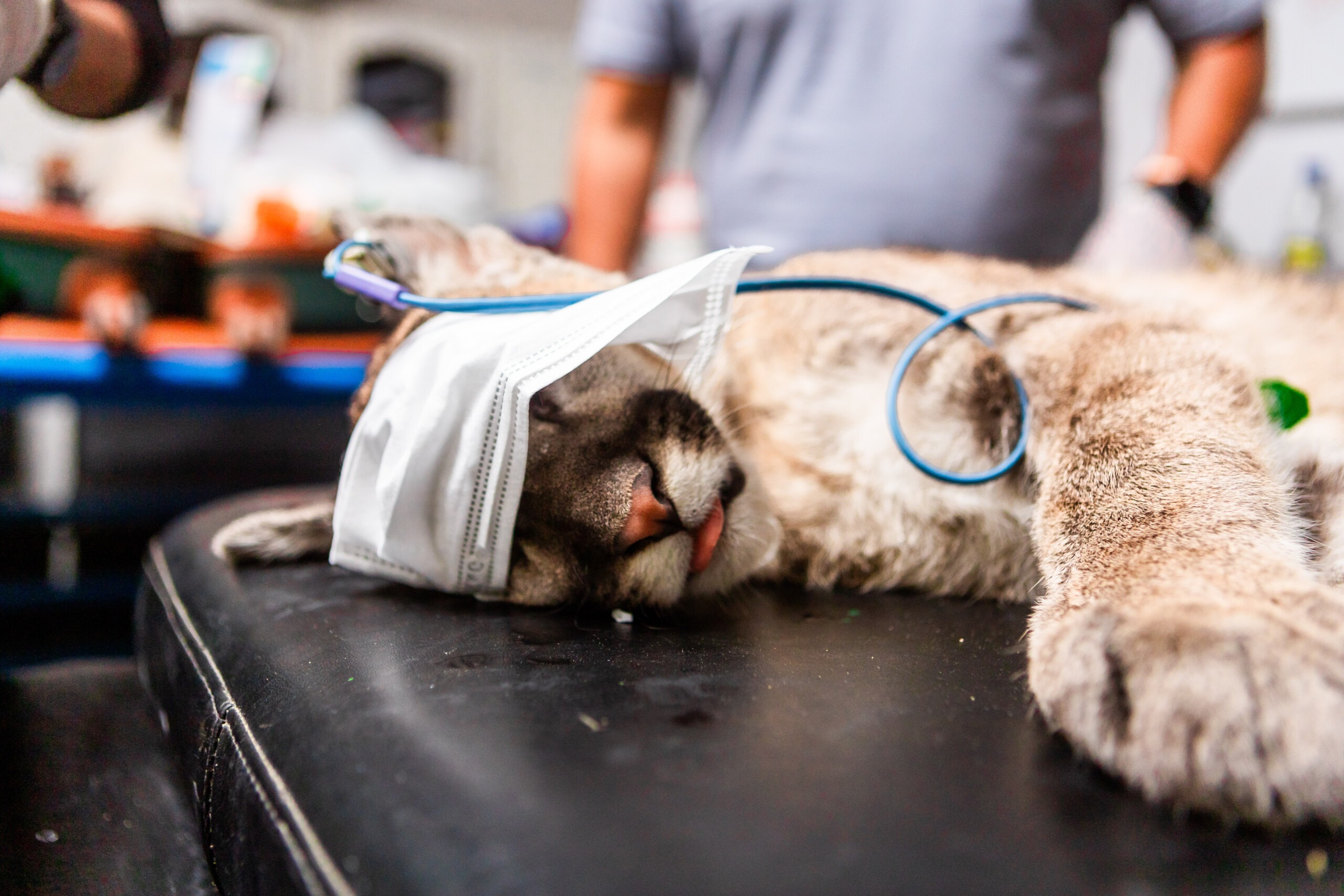
- Clinical management
- Release-readiness assessment
- Hard and soft release strategies
- Post-release monitoring
- Ethical decision-making
- Public communication and social media
What You Will Learn
Build the Judgment Behind Good Rehabilitation
The purpose of this program is not only to teach individual animal-care tasks. Participants learn how each task contributes to the broader rehabilitation process and how decisions must change according to species, age, health, behavior, history, and release objectives.
By the end of the program, participants will have developed a stronger understanding of:
- The rehabilitation process from intake through release
- Prevention and reduction of human habituation
- Species-specific husbandry
- Nutrition and diet formulation
- Environmental and behavioral enrichment
- Behavioral observation and monitoring
- Health and welfare assessment
- Rehabilitation documentation
- Release-readiness evaluation
- Pre-release conditioning
- Post-release monitoring
- Ethical decision-making
Who Should Apply?
For People Serious About a Future in Wildlife Rehabilitation
The program is open to applicants from any country and may be especially relevant for:
- Veterinary and pre-veterinary students
- Biology, zoology, ecology, and animal-science students
- Conservation and wildlife-management students
- Early-career wildlife rehabilitators
- Zoo, sanctuary, or animal-care professionals
- Veterinary technicians
- Researchers interested in applied rehabilitation
- Serious career changers entering the wildlife field
Previous wildlife experience is valuable but is not required. Some of Hoja Nueva’s strongest past participants began with limited practical experience.
We are more interested in an applicant’s maturity, work ethic, ability to learn, and genuine commitment to ethical wildlife rehabilitation than in whether they have previously handled wildlife.
Applicant requirements
- Minimum age of 22
- Availability for the complete 12-week program
- Ability to participate in physical work
- Ability to complete English-language written materials
- Serious professional interest in wildlife rehabilitation or rewilding
The program operates in a bilingual English-Spanish environment. Written course materials are provided in English.
Life At Hoja Nueva
Live and Learn in the Peruvian Amazon
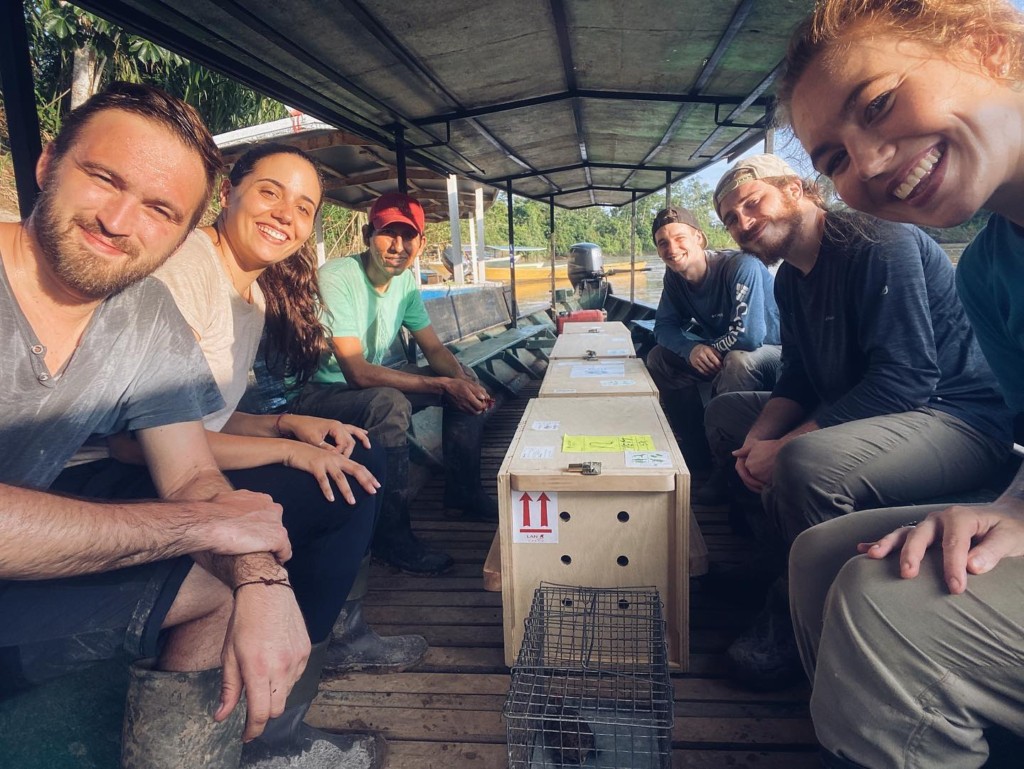
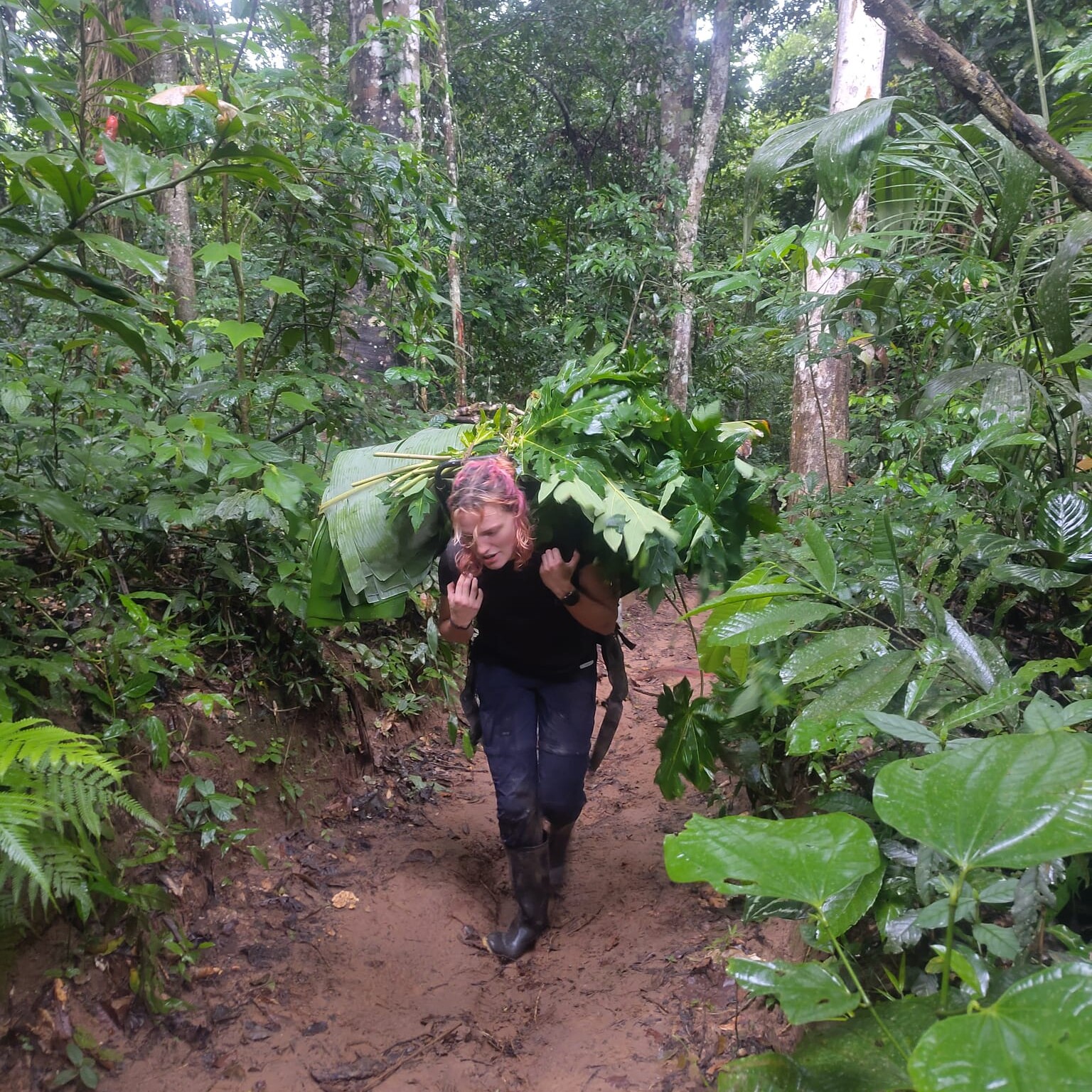
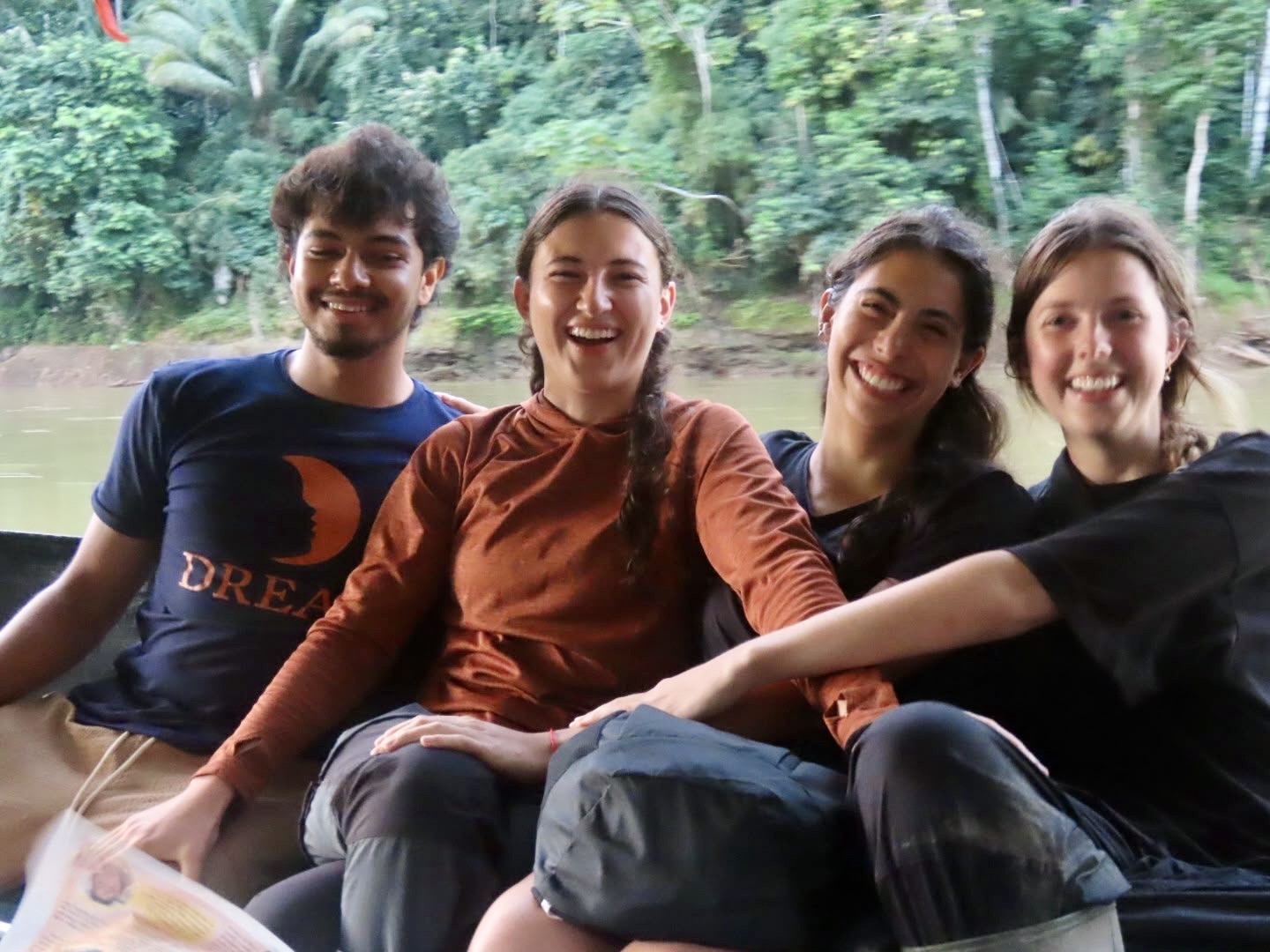
Participants live on-site at Hoja Nueva’s remote Amazonian research center in Madre de Dios, Peru.
Accommodation is shared and simple, with beds and mosquito nets, communal spaces, solar-powered electricity, showers, composting toilets, hand-wash laundry facilities, and limited Starlink Wi-Fi. Three meals and safe drinking water is provided from our 45m well.
Hoja Nueva also operates a domestic animal rescue center in the city, and several rescued cats and dogs live at our field station. Interns must be comfortable sharing common spaces with domestic animals and should discuss any significant allergies or fears with us before applying.
Life at Hoja Nueva is immersive and deeply rewarding, but rustic. Participants should be prepared for heat, humidity, insects, mud, rain, physical work, shared living spaces, limited connectivity, and the emotional realities of wildlife rehabilitation.
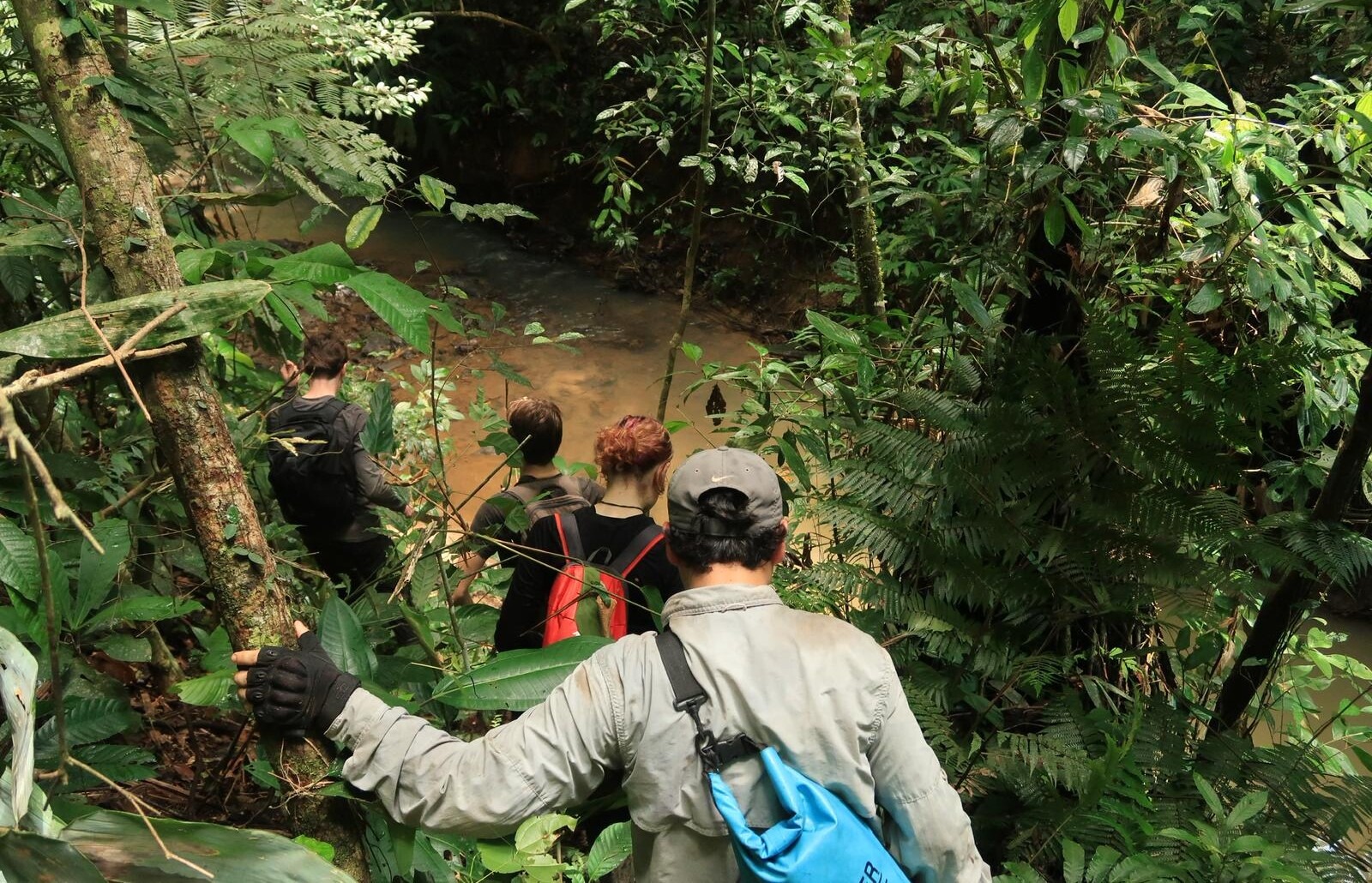
Several excursions and additional field experiences are also included during the program. Activities vary according to weather, field conditions, and center operations.
Certificate and Alumni Community
Certificate in Wildlife Rehabilitation and Rewilding
Participants who successfully complete all practical work, presentations, quizzes, project requirements, and the final examination receive a Hoja Nueva Certificate in Wildlife Rehabilitation and Rewilding.
The certificate documents successful completion of Hoja Nueva’s professional training program and its methods of wildlife rehabilitation and rewilding.
It is not an accredited university degree, veterinary credential, government licence, or independent authorization to practice wildlife rehabilitation.
Graduates also receive:
- Lifetime access to a growing community of Hoja Nueva alumni and mentors
- Preferred pricing on eligible future Hoja Nueva programs and return visits
- Eligibility for a professional recommendation based on individual performance
- Limited-edition Hoja Nueva merchandise
Tuition and What's Included
Standard Tuition
$3,600 USD
Equivalent to $300 per week, including professional training, accommodation, and meals.
Tuition Includes
- Complete 12-week curriculum
- Approximately 50 instructional hours
- More than 430 hours of supervised practical work training
- Direct mentorship from Hoja Nueva’s directors and team
- Weekly quizzes and final examination
- Collaborative project
- Shared accommodation
- Three meals per day
- Round-trip transport from Puerto Maldonado
- Course materials
- Hoja Nueva merchandise
- Excursions and additional field experiences
- Certificate upon successful completion
- Lifetime alumni-community access
Not Included
- Flights
- Passports or visas
- Travel or medical insurance
- Vaccinations or pre-travel health expenses
- Personal purchases
- Transportation outside scheduled Hoja Nueva arrangements
Early Commitment Offer
Two Early Commitment Places Available
$3,000 USD
The first two accepted applicants may enroll at the Early Commitment tuition of $3,000.
To receive this rate, the accepted applicant must pay tuition in full within five calendar days of receiving their acceptance offer.
The Early Commitment rate:
- Is available only after application and interview
- Is limited to the first two accepted applicants
- Cannot be reserved with a deposit
- Ends when both places have been claimed
All remaining positions are offered at the standard tuition of $3,600.
Payment and Enrollment
Securing Your Position
There is no application fee.
Applicants are first reviewed and shortlisted candidates are invited to an online interview. Successful applicants then receive a formal acceptance offer and enrollment documents.
Accepted applicants paying standard tuition may request to provisionally hold their position with a $500 nonrefundable deposit. A specific deadline will be provided for payment of the remaining balance.
A position is fully confirmed only after tuition has been paid in full.
Payment plans are considered only in limited circumstances and must be approved in writing.
All deposits and tuition payments are nonrefundable. Complete enrollment and participation policies are provided for review before payment.
Expectations
The Animals Always Come First
Wildlife rehabilitation requires discipline, humility, consistency, and restraint.
Participants must be as willing to clean enclosures, prepare diets, wash equipment, record behavior, and repeat daily husbandry tasks as they are to participate in unusual or exciting cases.
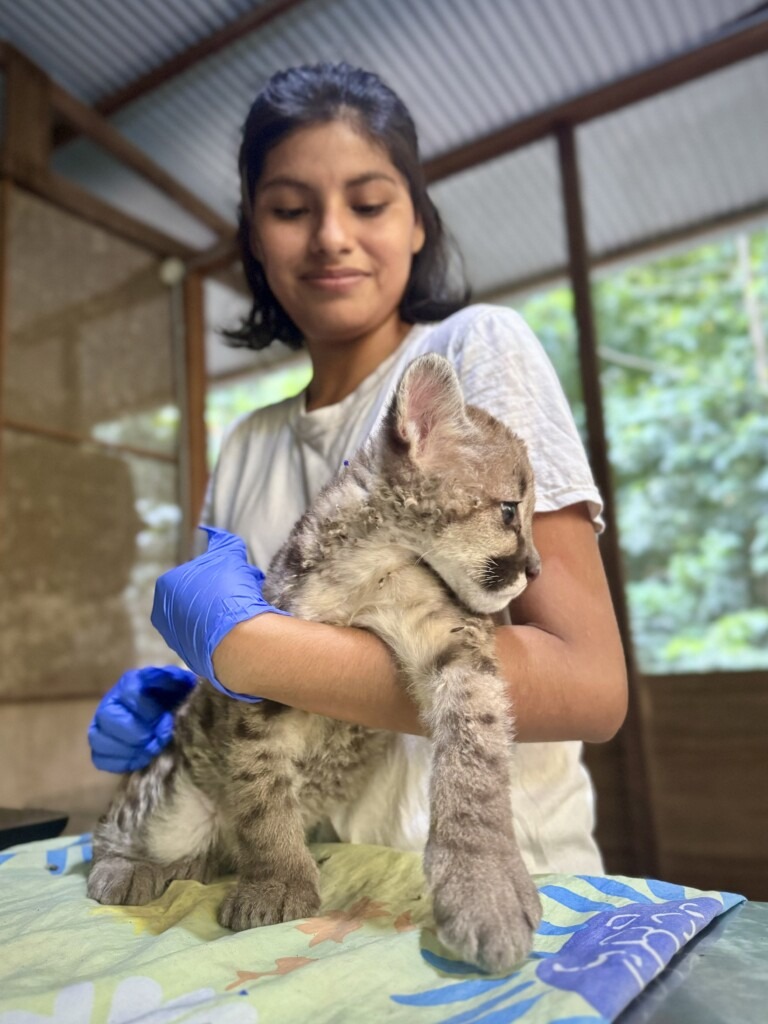
This program does not promise direct physical contact with wildlife. Hoja Nueva uses minimum-contact rehabilitation protocols whenever possible because reducing human habituation is central to successful rewilding.
Any physical handling, clinical support, intake work, or release participation is determined by:
- The needs of the animal
- Participant training and demonstrated ability
- Professional scope
- Staff supervision
- Safety requirements
- Animal-welfare and release objectives
Photography and social-media use must follow Hoja Nueva’s ethical communications policies.
Application Process
How To Apply
1. Complete the Application Form
Tell us about your background, professional goals, motivation, and interest in training at Hoja Nueva.
2. Application Review
Applications are reviewed on a rolling basis. We assess maturity, motivation, professional direction, availability, and preparedness for the realities of the program.
3. Online Interview
Shortlisted candidates are invited to interview with a member of the Hoja Nueva team.
4. Acceptance and Enrollment
Accepted applicants receive formal enrollment documents, payment instructions, and a deadline to secure their position.
Applications may close early once all six positions have been filled.
Are You Ready to Do the Real Work of Rewilding?
Wildlife rehabilitation is demanding, complex, and often emotionally difficult. It is also one of the most meaningful ways to help individual animals regain their independence and return to the ecosystems where they belong.
This program is for people who want more than proximity to wildlife. It is for people who want to understand the science, discipline, judgment, and ethical responsibility required to prepare wildlife for a future beyond human care.
The September 2026 cohort begins September 1 and is limited to six participants.
Two Early Commitment positions are available at $3,000 USD. Standard tuition is $3,600 USD.