
ABOUT US
About Us
CONSERVATION BUILT FROM THE GROUND UP
Hoja Nueva is a science-driven conservation organization based in the Las Piedras watershed of Madre de Dios, Peru. We protect rainforest, rescue and rewild native wildlife, conduct long-term ecological research, and invest in the people and communities whose future is tied to this landscape.
Our work has grown from a small field project into an integrated conservation program spanning wildlife rehabilitation, scientific research, direct habitat protection, One Health, community initiatives, and professional education. The individual projects may look very different, but they are built around one idea: lasting conservation requires protecting both wildlife and the systems that allow wildlife to survive.
01. WHO WE ARE
ONE ORGANIZATION. FOUR CONNECTED STRATEGIES.
Hoja Nueva was established in 2015 in Madre de Dios with a focus on research and protection of the extraordinary biodiversity of the Peruvian Amazon. Today, our work is organized around four interconnected pillars: rewilding, ecological research, habitat and landscape conservation, and education and capacity building. Hoja Nueva’s current public materials likewise describe the organization as operating at the intersection of these areas.
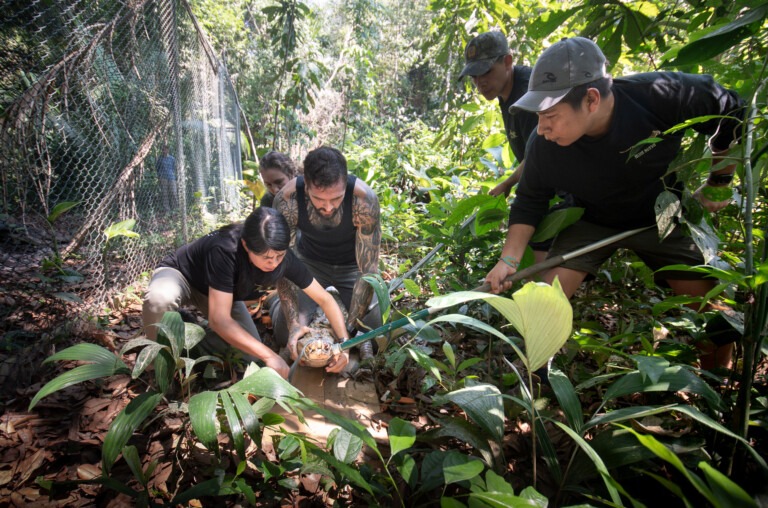
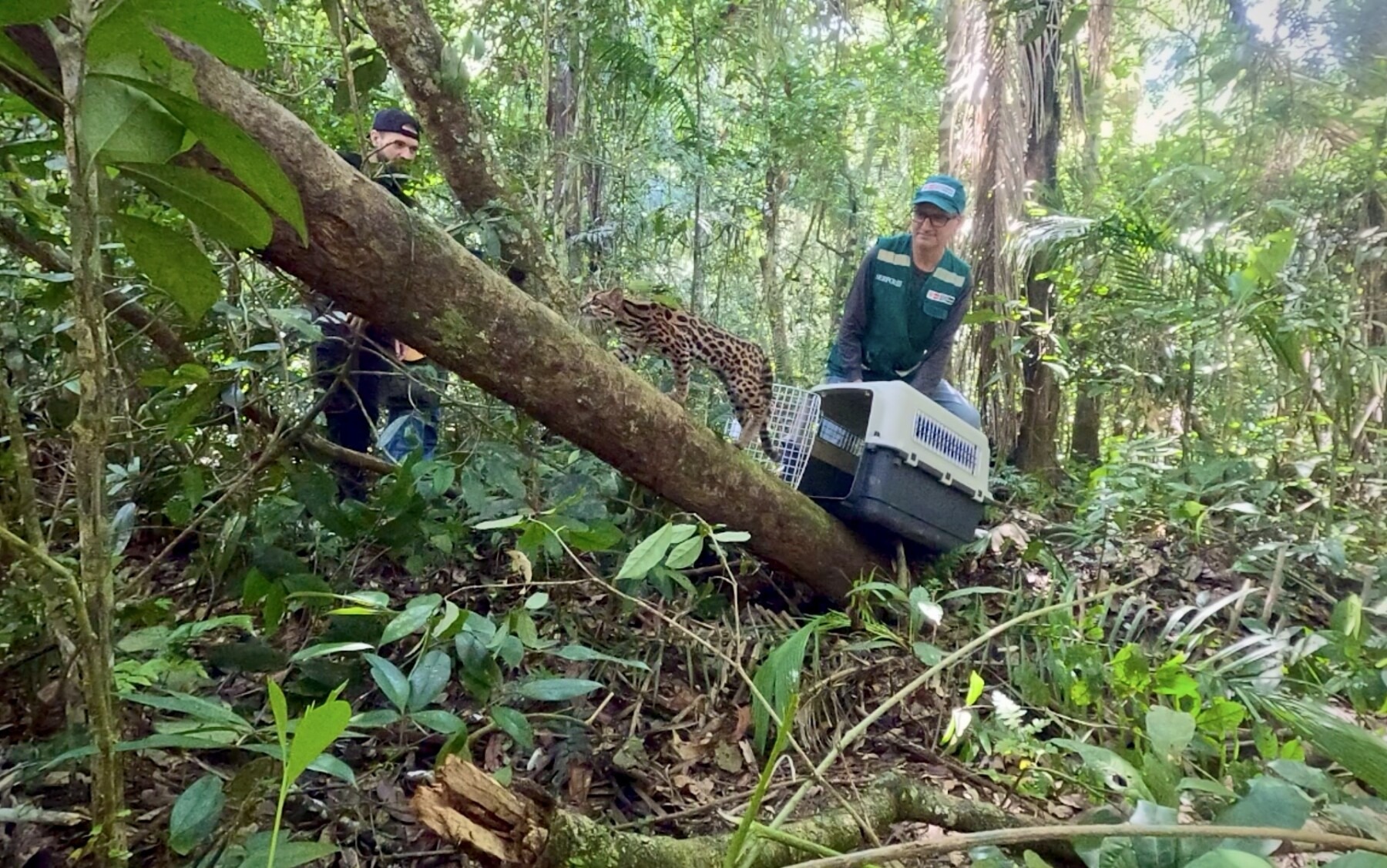
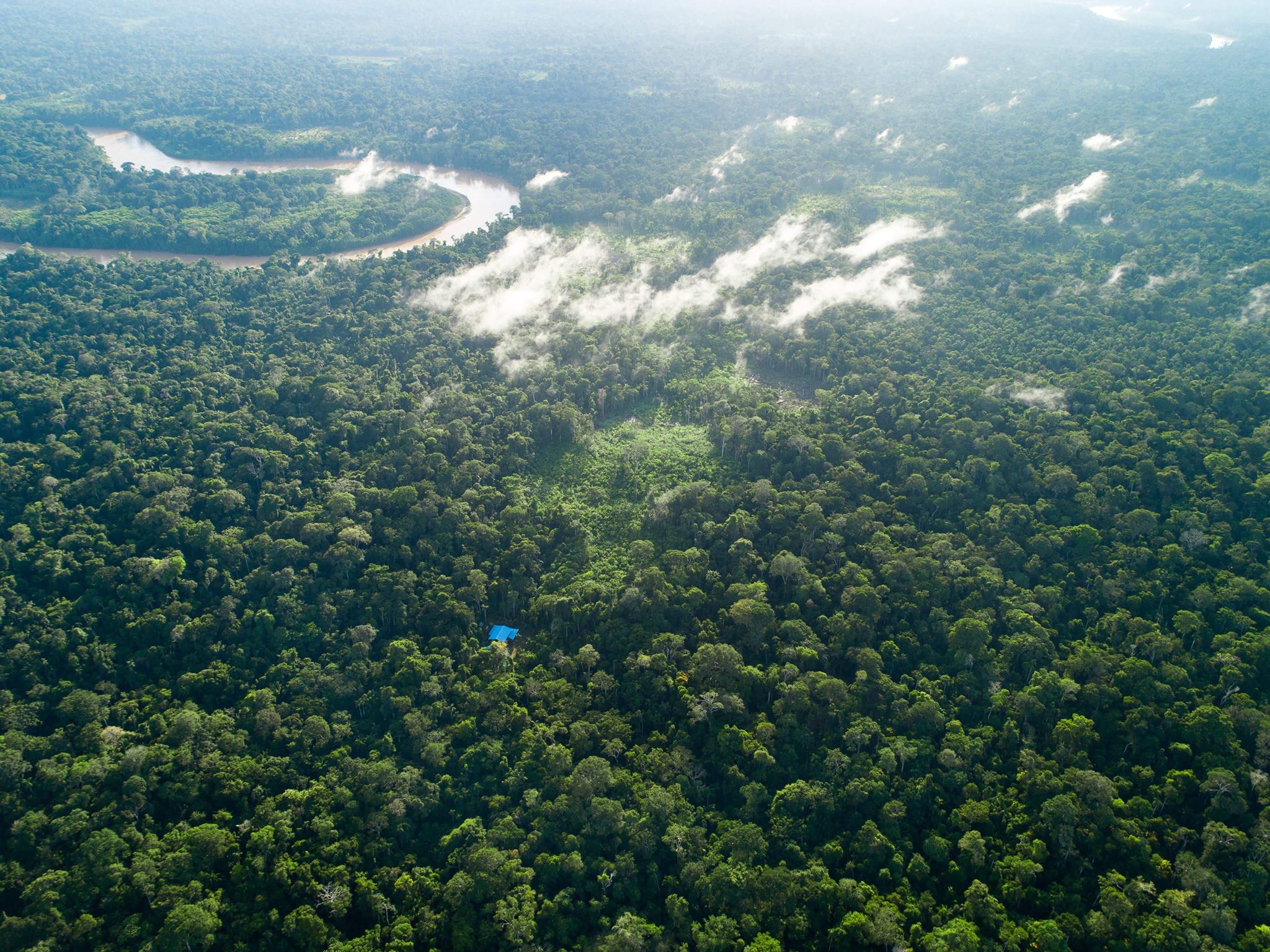
We directly protect more than 3,000 hectares of primary rainforest in Las Piedras while working alongside neighboring landholders and conservation partners within a connected conservation landscape of more than 100,000 hectares. Our wildlife program has rescued 398 native wild animals, with 324 returned to the wild, while our research program has built more than a decade of ecological monitoring across the surrounding landscape. Mission – Hoja Nueva
Rather than treating wildlife rescue, science, habitat protection, and human communities as separate conservation problems, we design our programs to reinforce one another. Research informs where and how animals can be released. Protected forest provides habitat and a living laboratory for long-term science. Community and One Health programs address pressures that cross property boundaries. Education and professional training build the skills and leadership required to carry conservation forward.
Our field operations are based in Peru and supported internationally, including through Friends of Hoja Nueva, a U.S. tax-exempt 501(c)(3) organization.
02. OUR MISSION
PROTECTING BIODIVERSITY TODAY. BUILDING CONSERVATION FOR TOMORROW.
Our mission is to protect and strengthen Amazonian biodiversity in Madre de Dios, Peru, by conserving intact ecosystems, confronting threats to wildlife, rescuing and rewilding native species, advancing scientific research, and building conservation capacity through education and training.
That mission requires working at multiple scales. Sometimes conservation means intervening for a single trafficked animal. Sometimes it means monitoring wildlife populations for years before a meaningful pattern emerges. Sometimes it means protecting thousands of hectares of forest, improving community infrastructure, sterilizing domestic animals, training a young scientist, or helping create a local livelihood connected to conservation.
We work on immediate problems while building the knowledge, infrastructure, partnerships, and local capacity required for conservation to persist long after any individual project ends.
The goal is not simply to protect more wildlife today. It is to build systems capable of protecting Amazonian wildlife far into the future.
03. OUR STORY
FROM A FIELD PROJECT TO AN INTEGRATED CONSERVATION ORGANIZATION
Hoja Nueva did not begin with a rescue center, a research station, or a large conservation program.
It grew gradually from field research in the forests of Las Piedras — and from the realization that many of the threats facing Amazonian wildlife could not be addressed through research alone.
2014–2015: THE BEGINNING
Samantha Zwicker first came to Madre de Dios for ecological field research in 2014 and established Hoja Nueva the following year. The initial focus was on studying wildlife and protecting rainforest in a region that was still remarkably intact but increasingly exposed to hunting, logging, land conversion, wildlife trafficking, and other human pressures. Hoja Nueva’s public biography dates the organization’s establishment to 2015.
Those early years were small, experimental, and intensely hands-on. There was little funding, limited infrastructure, and no formal wildlife rescue center.
2016–2019: THE YEARS CAPTURED IN WILDCAT
Amazon Studios’ documentary Wildcat was filmed during this formative period.
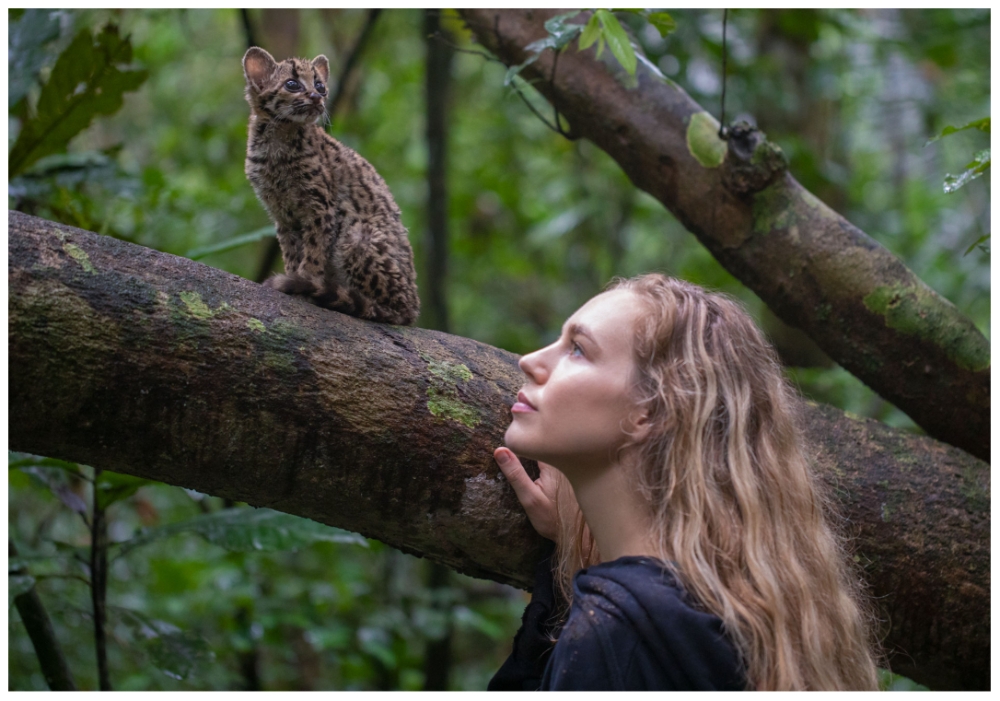
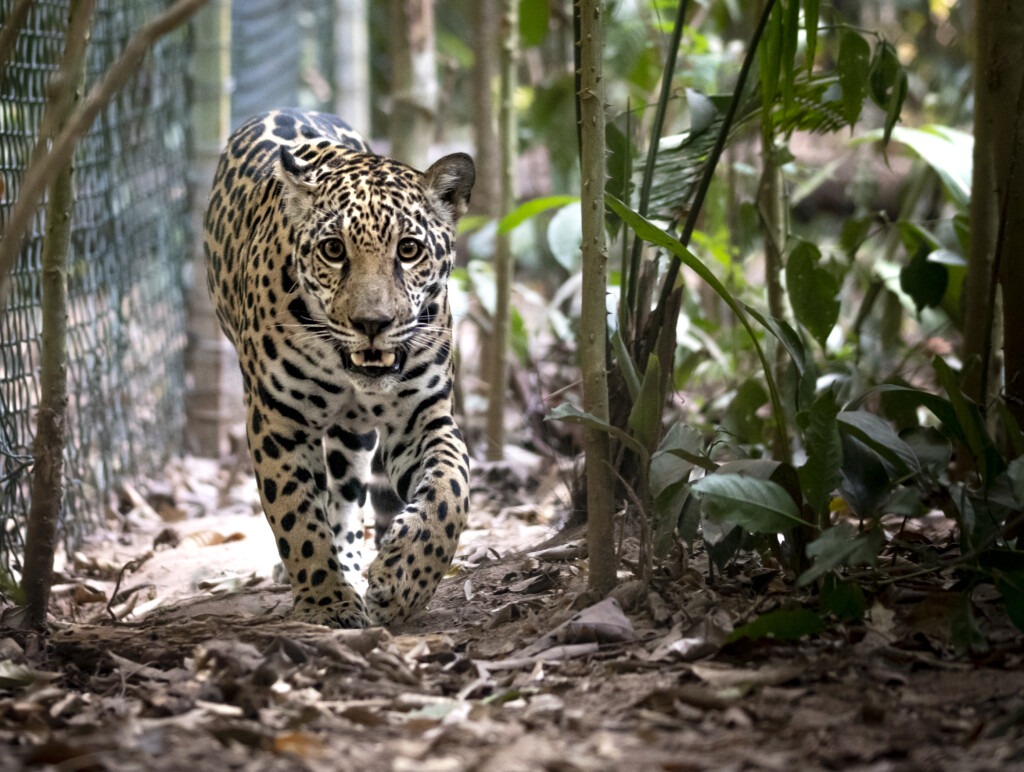
At the time, Hoja Nueva did not operate a formal rescue and rehabilitation center. Samantha was beginning her career in wildlife research and obtained research permissions that allowed her to legally raise and attempt to release Khan, Keanu, and a small number of other animals.
There were basic forest enclosures, limited resources, and a belief that some animals who would otherwise spend their lives in captivity deserved a chance to return to the forest.
Wildcat remains an important record of where Hoja Nueva began, but it should not be understood as a representation of our facilities, protocols, team, or rehabilitation standards today. The years since filming have fundamentally changed the organization.
2020–2022: BUILDING A FORMAL REWILDING PROGRAM
As our experience with wildlife trafficking grew, so did the scale of the problem.
After expanding our protected land base to more than 3,000 hectares, Samantha and Dylan Singer began developing a formal wildlife rehabilitation and rewilding center in Madre de Dios.
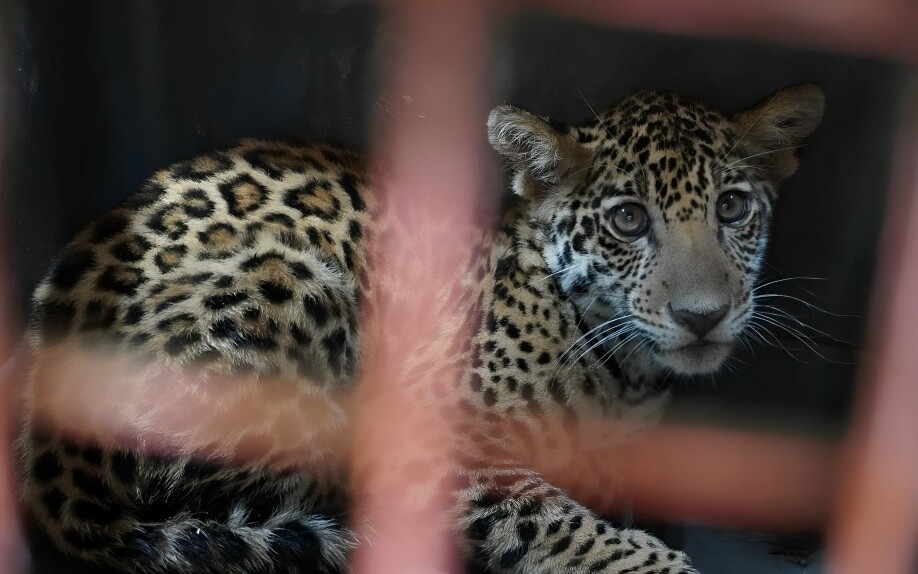
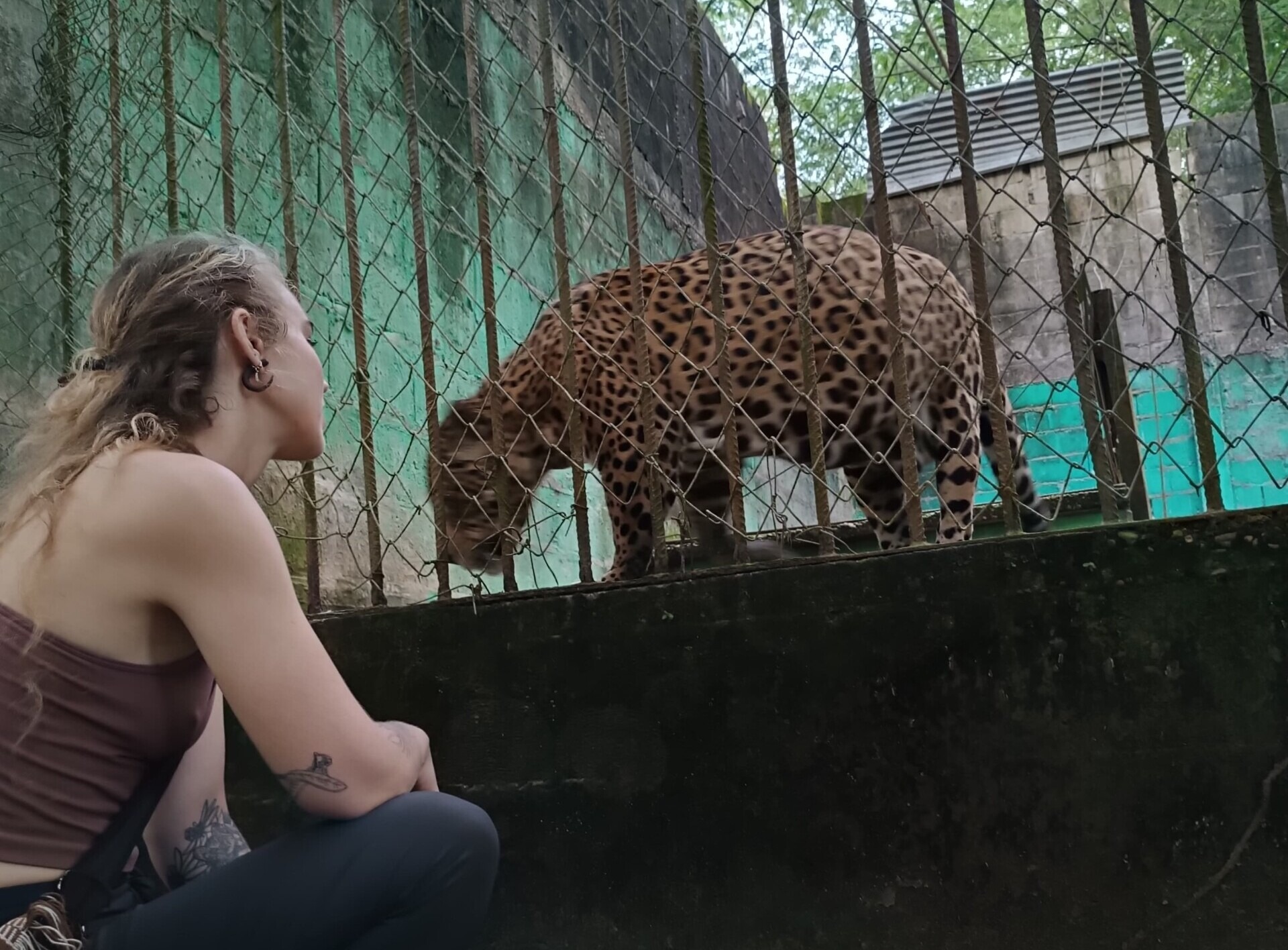
One of the events that accelerated that transition was the need to provide an alternative for wildlife being held in local facilities that authorities had been trying to close. Hoja Nueva ultimately accepted approximately 40 animals from two zoos, giving those animals a new home and helping make the closure of those facilities possible.
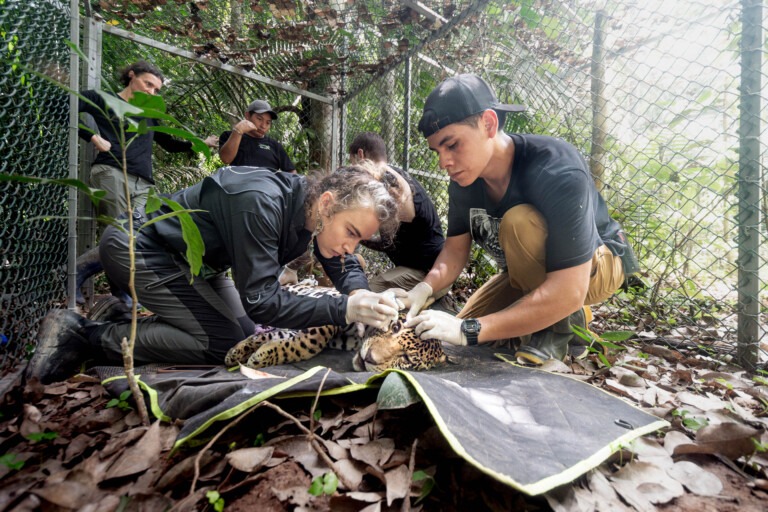
The formal center brought dedicated wildlife staff, veterinary partnerships, increasingly specialized enclosures, systematic behavioral rehabilitation, better documentation, and a much more rigorous approach to release.
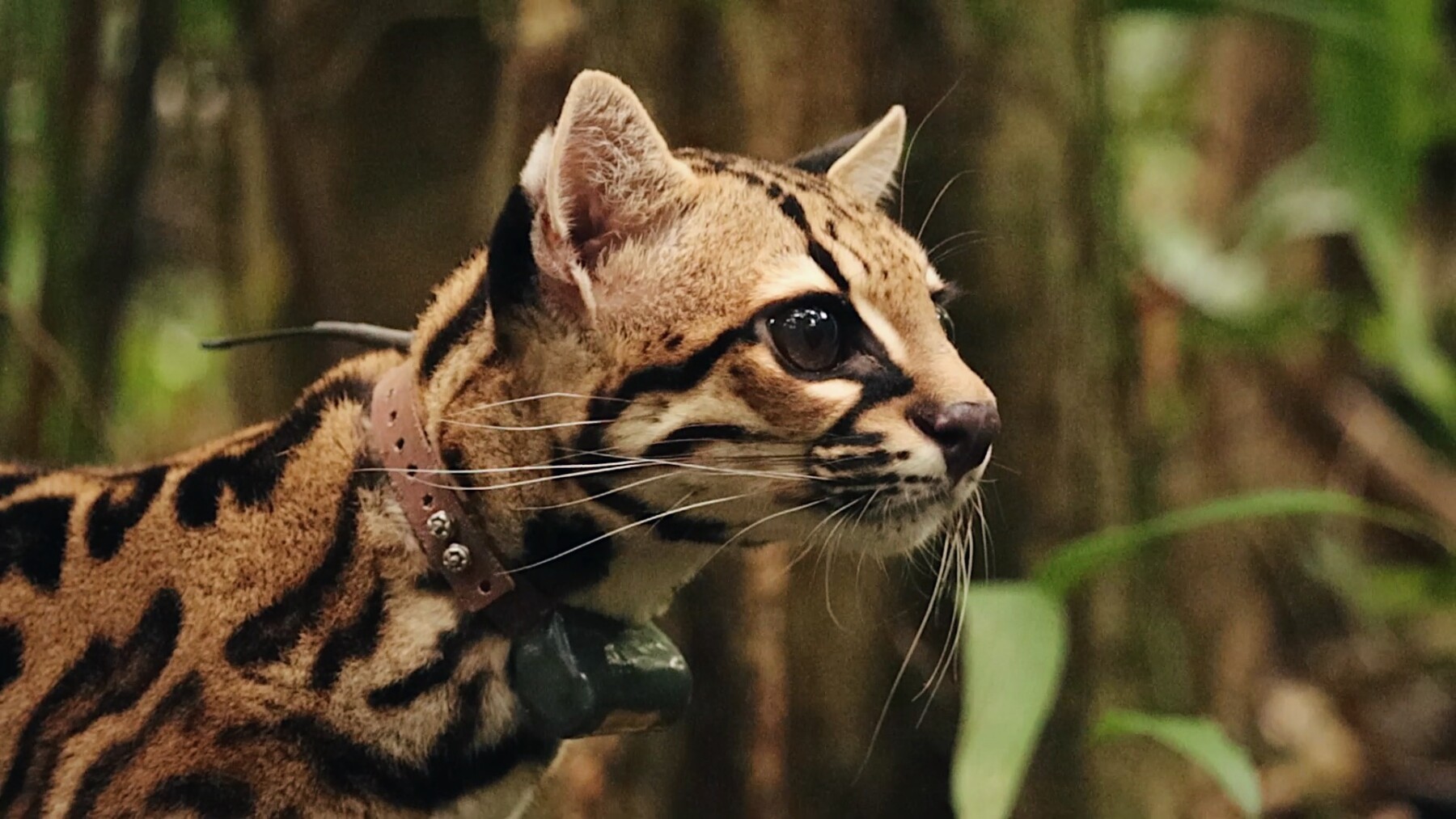
Today, Peruvian authorities publicly describe Hoja Nueva as a technical and scientific rescue center distinguished by its non-tourism model, carnivore specialization, behavioral preparation, and focus on returning suitable animals to the forest.
2024: A HOME FOR SCIENCE AND EDUCATION
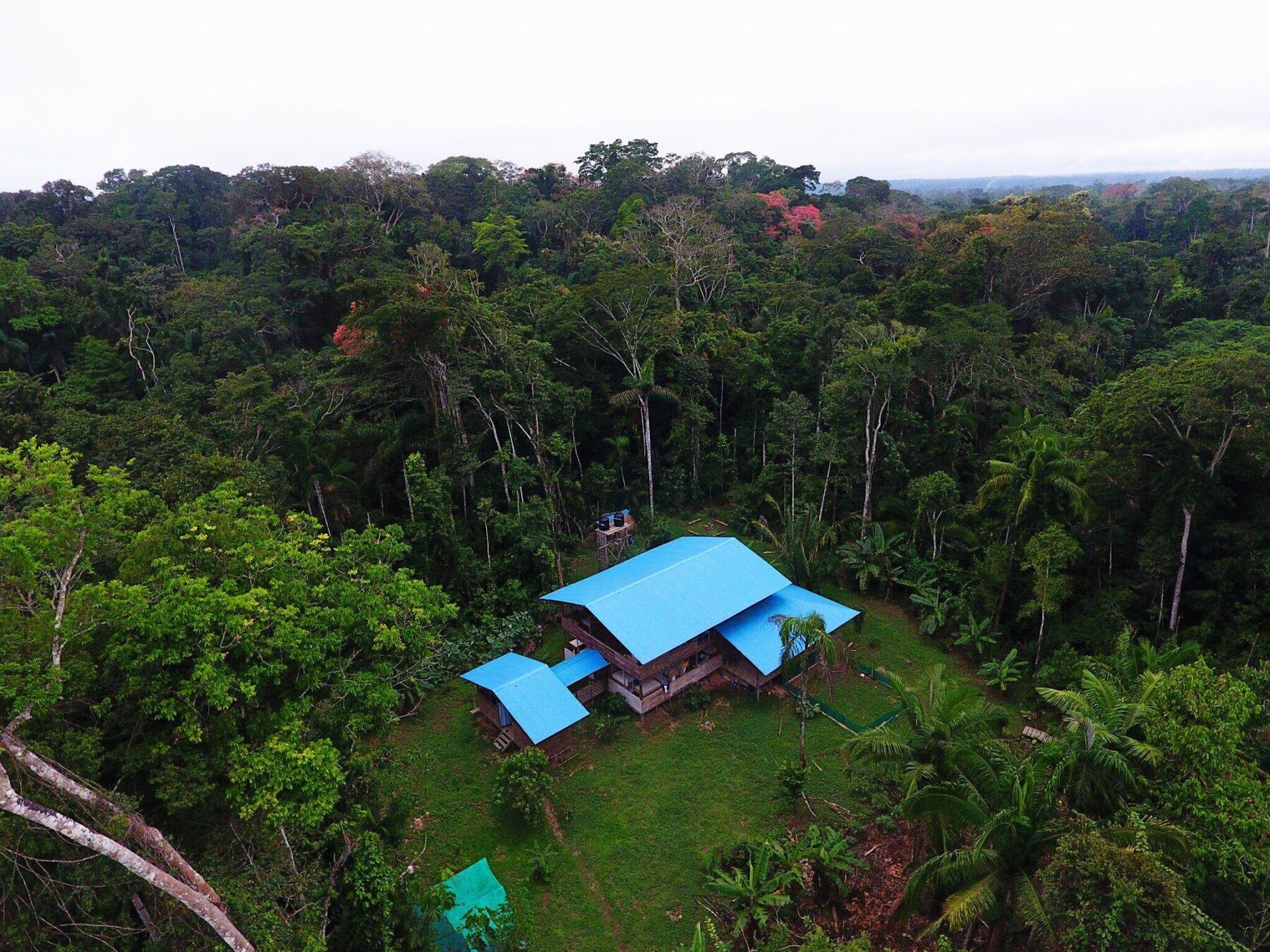
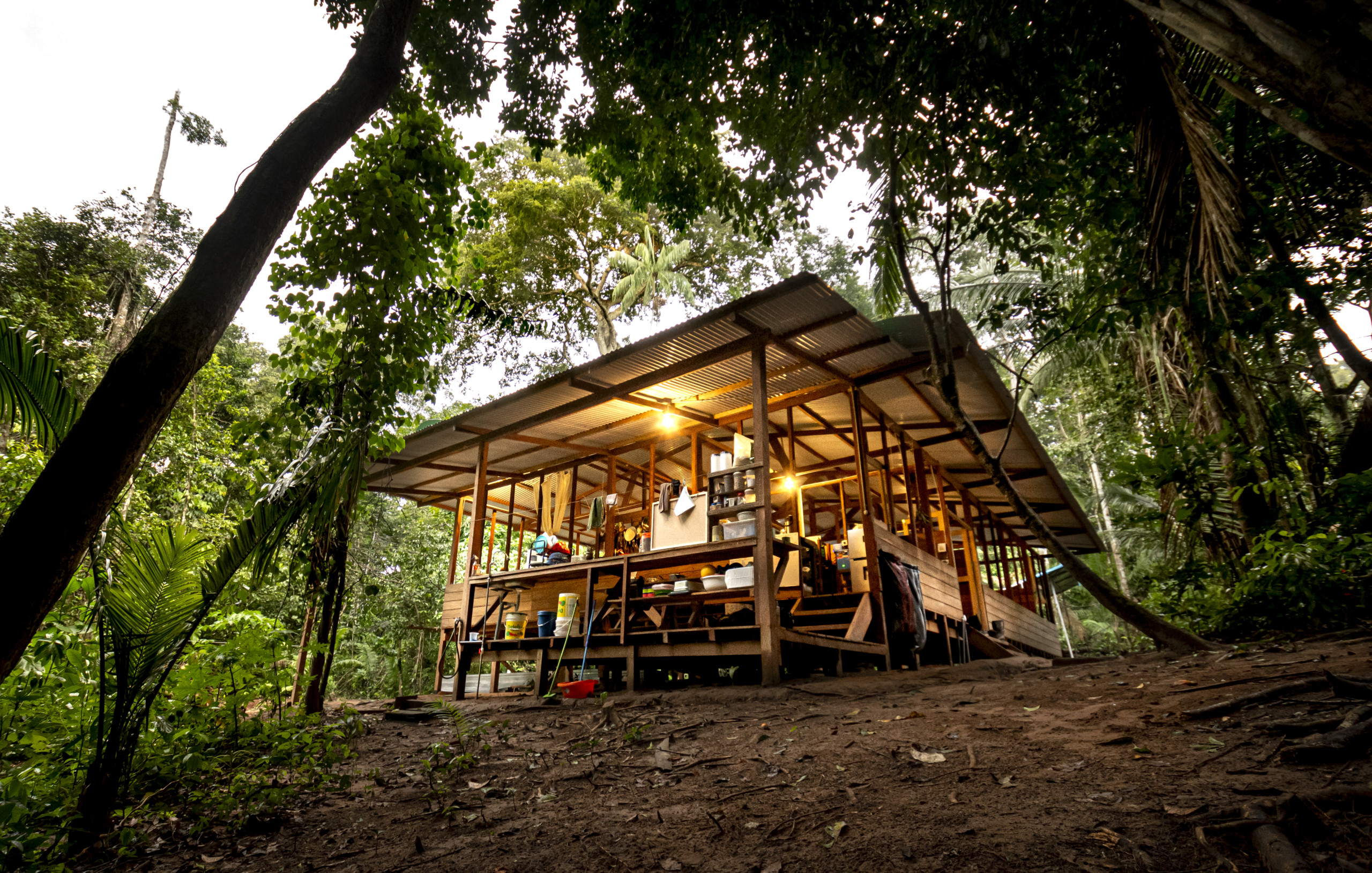
As our research and training programs expanded, we completed a purpose-built research and education center inside the protected forest.
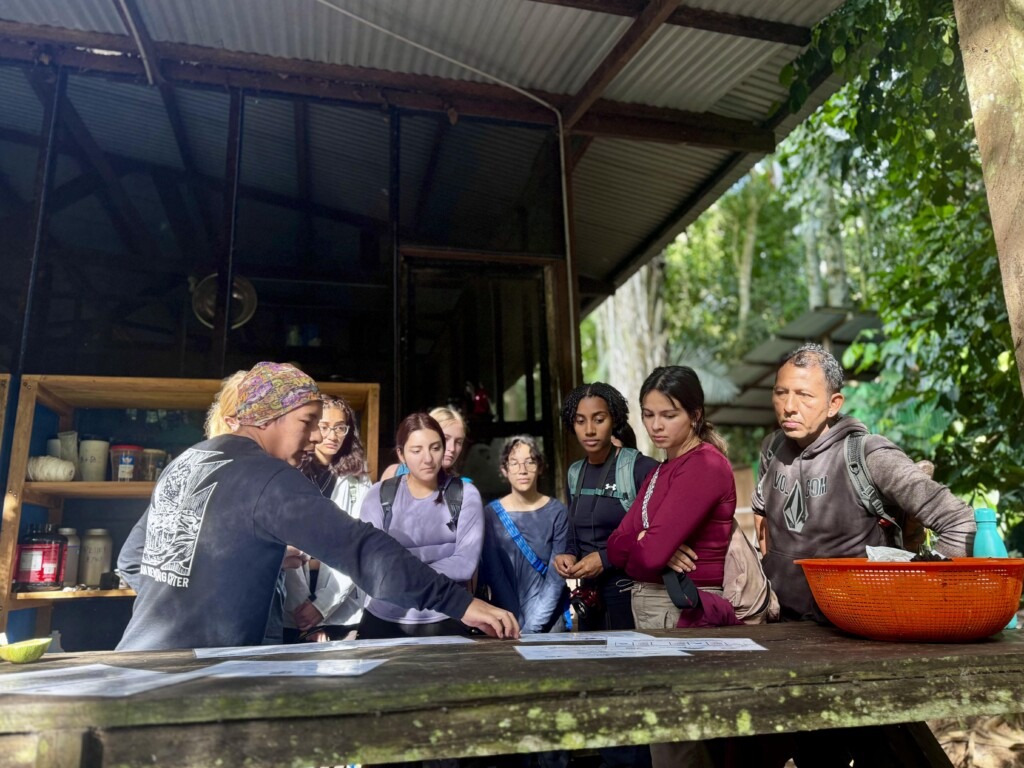
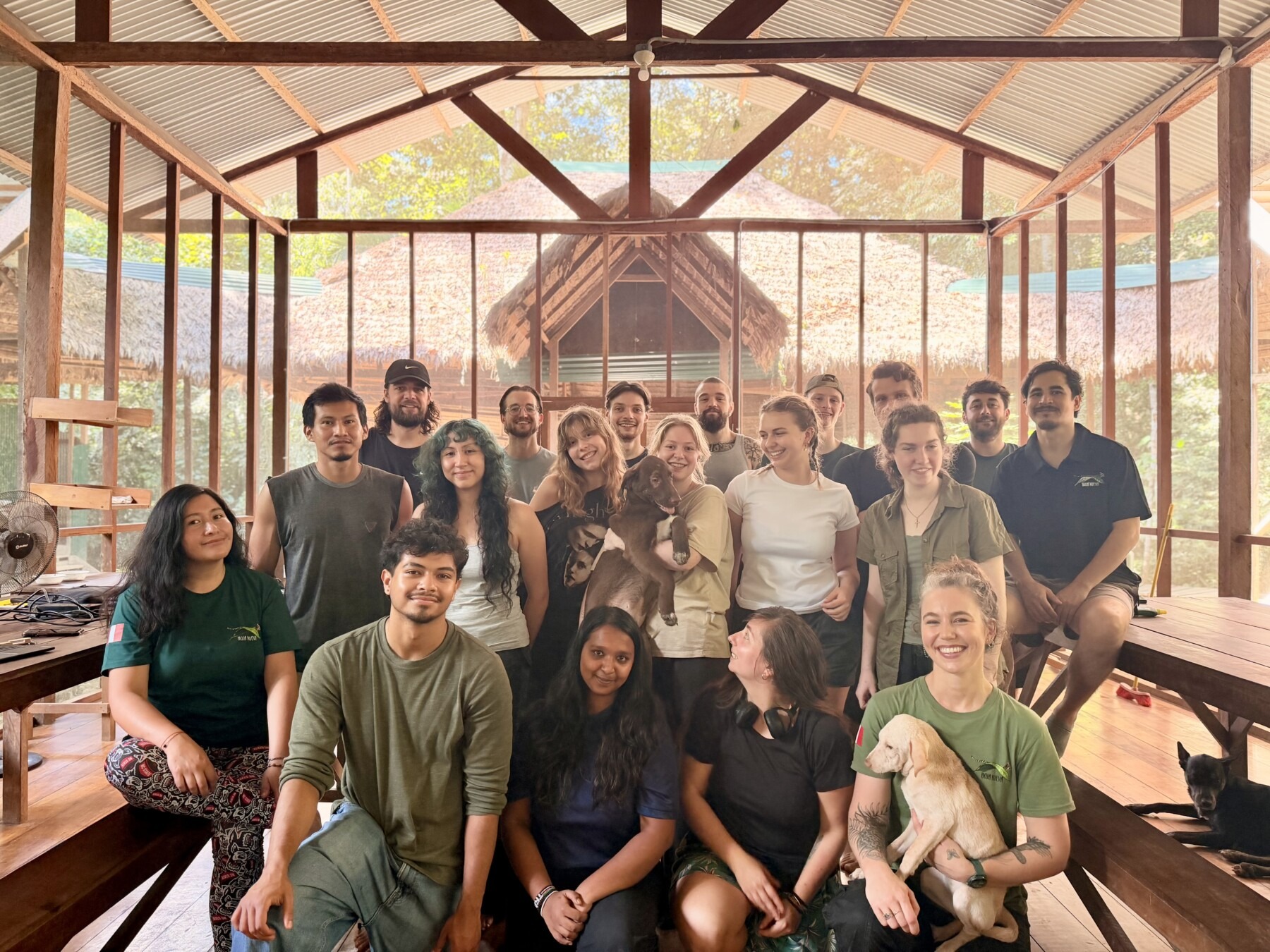
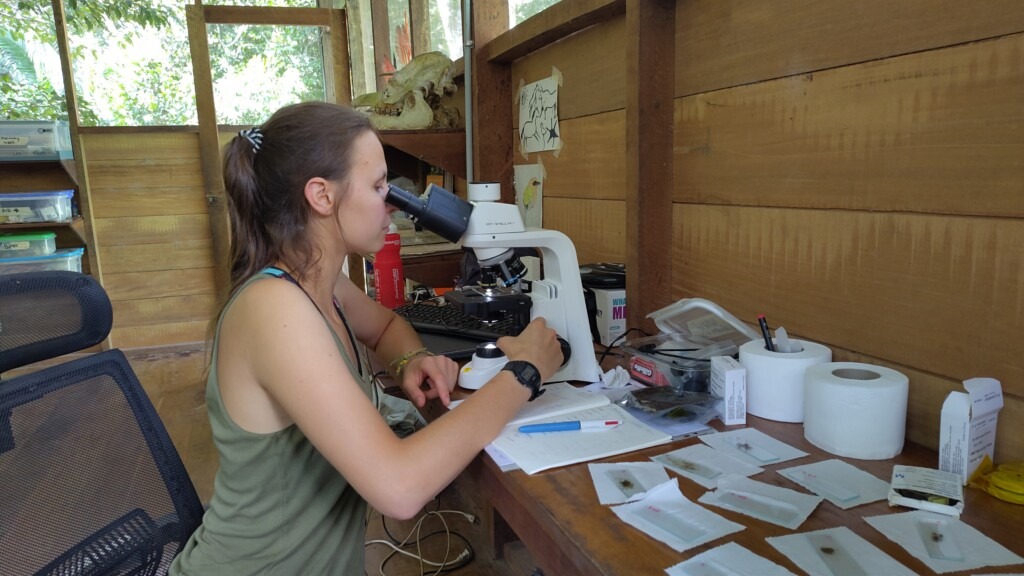
The station gave Hoja Nueva a permanent base for long-term ecological research, visiting scientists, university projects, professional courses, and students spending weeks or months working in the Amazon.
Built for remote rainforest conditions, the center combines solar power, water systems, composting sanitation, communal living and dining areas, offices, workspaces, and elevated infrastructure for observation and connectivity.
2025–TODAY: BUILDING SOMETHING THAT CAN OUTLAST ITS FOUNDERS
The next stage of Hoja Nueva has been less about simply becoming bigger and more about becoming stronger.
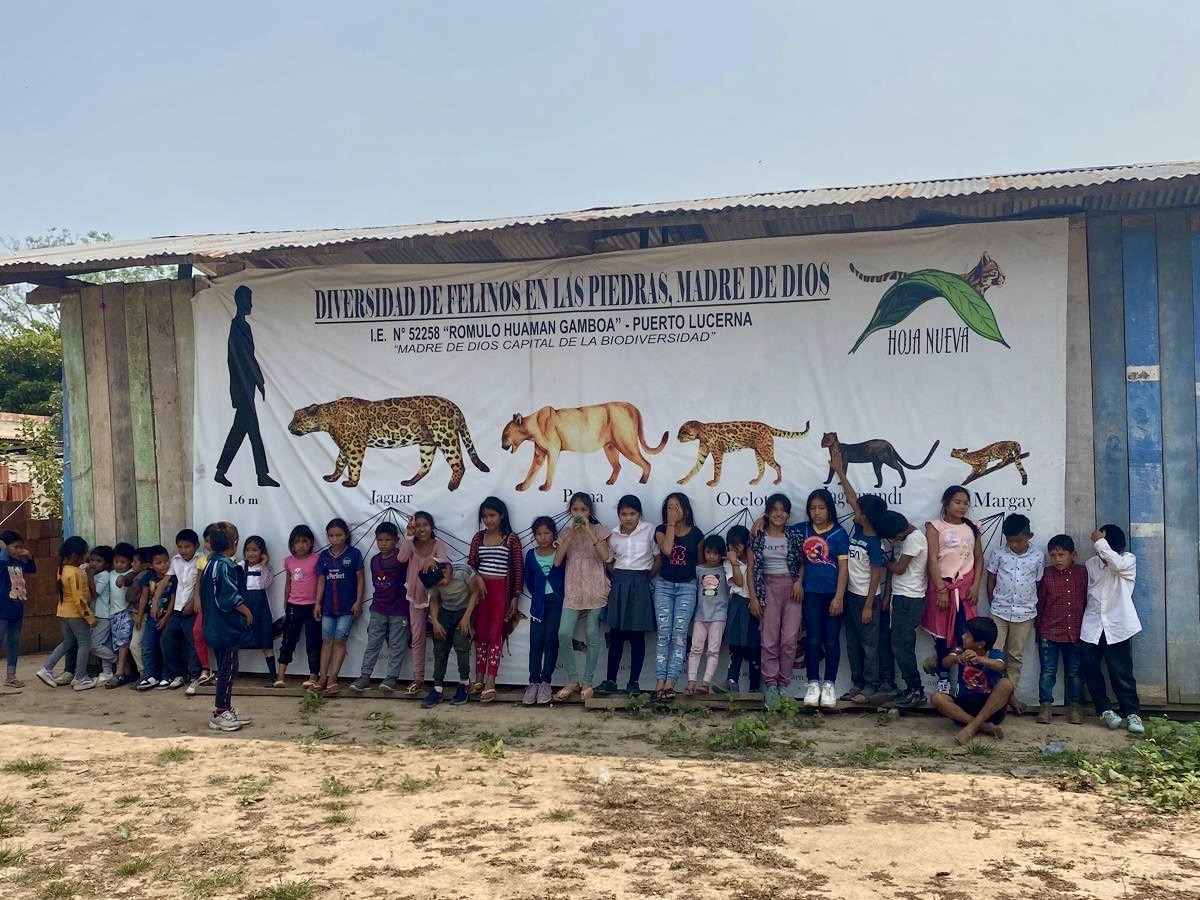
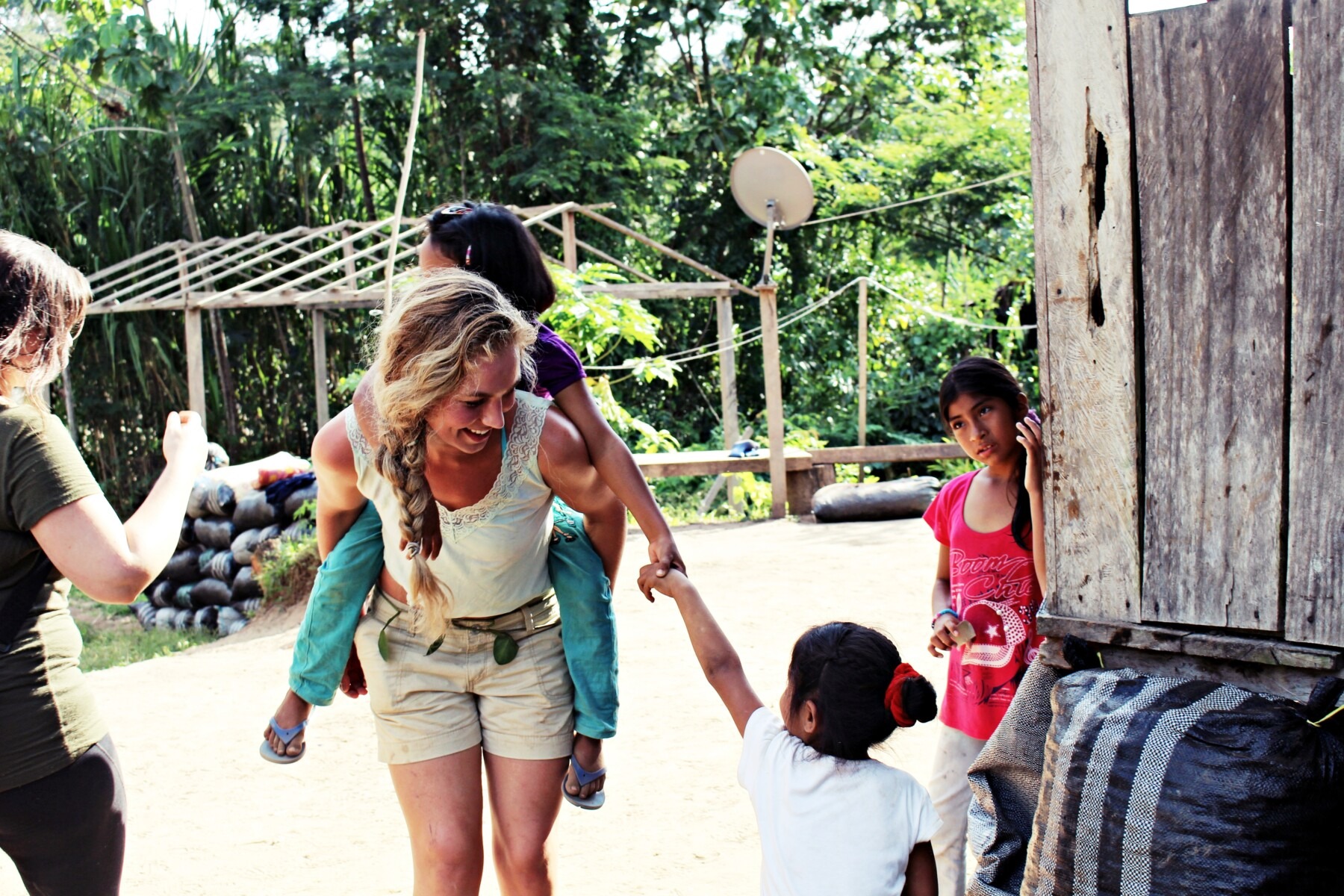
Our scientific program has expanded into a growing body of peer-reviewed research. Our training programs now bring over 75 students and early-career conservationists to Hoja Nueva each year. Community partnerships have grown to include environmental education, domestic-animal health, water and waste-management support, and the construction of Puerto Lucerna’s first local secondary-school facility.
Most importantly, the systems themselves have matured.
The field organization is now operated day-to-day by a deeply experienced Peru-based team. Wildlife rehabilitation, veterinary care, research logistics, animal husbandry, infrastructure, administration, transport, and field operations no longer depend on Samantha or Dylan being physically present.
What began as a small field project has become a conservation organization designed to keep functioning, learning, and evolving beyond the people who started it.
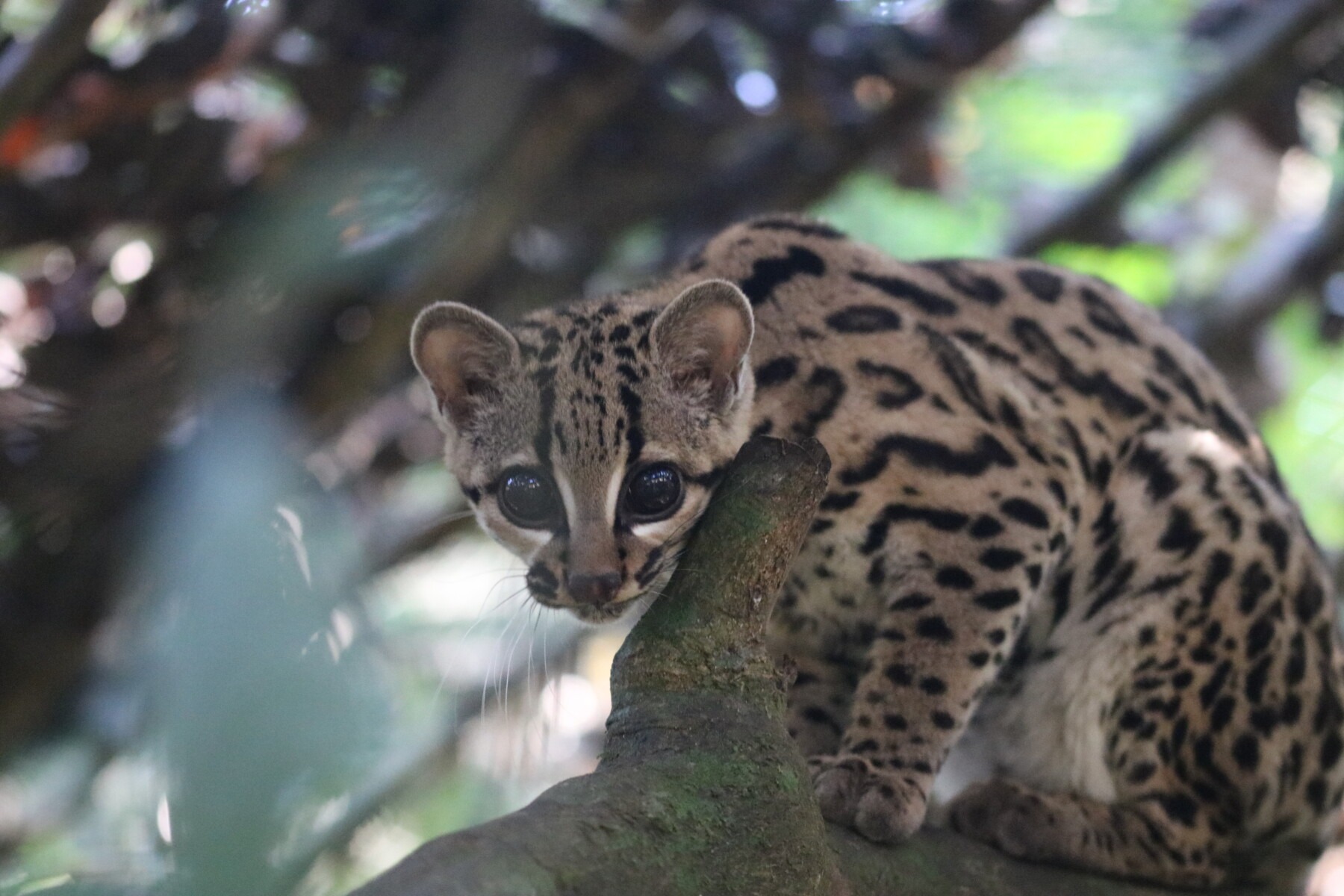
04. WHERE WE WORK: LAS PIEDRAS
A REMOTE AMAZONIAN LANDSCAPE WORTH KEEPING WILD
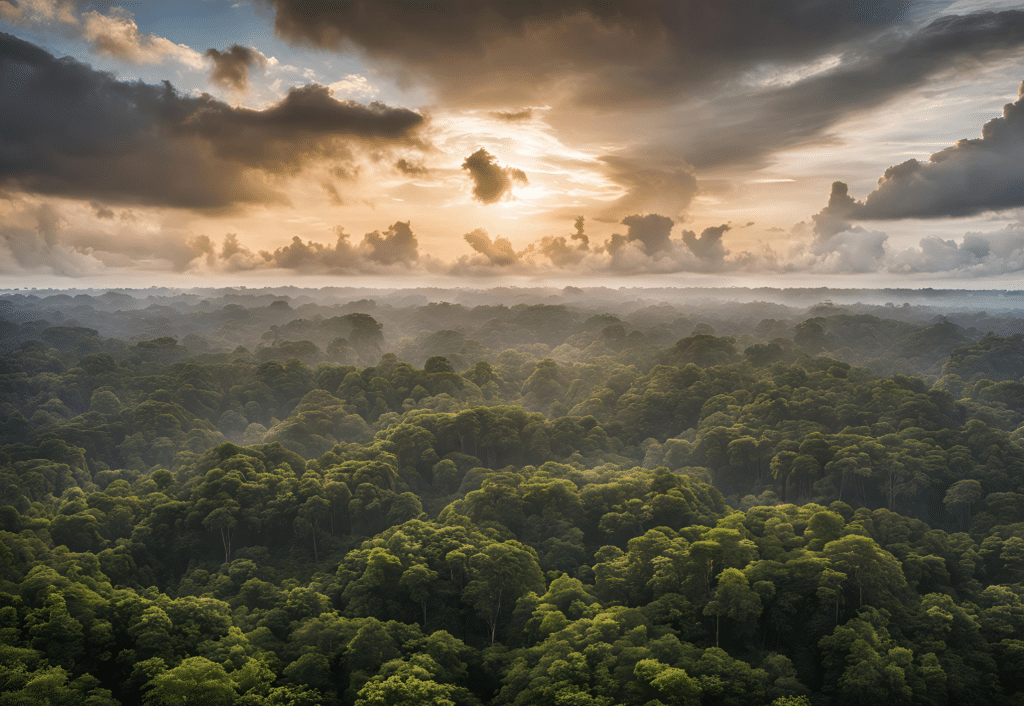
Hoja Nueva is based in the Las Piedras watershed of Madre de Dios, in southeastern Peru.
Our core protected lands lie within lowland Amazonian rainforest along the Las Piedras River. The landscape contains extensive primary forest alongside remote communities, conservation and forest concessions, Brazil-nut areas, ecotourism properties, small-scale agriculture, and other forms of human land use.
This combination makes Las Piedras both extraordinarily important for biodiversity and an unusually valuable place to study conservation in practice.
Research conducted through Hoja Nueva has documented a landscape that remains far more intact than many heavily transformed Amazonian frontiers, while still experiencing meaningful pressure from hunting, selective logging, agriculture, settlement expansion, and other human disturbance.
OUR PROTECTED FOREST
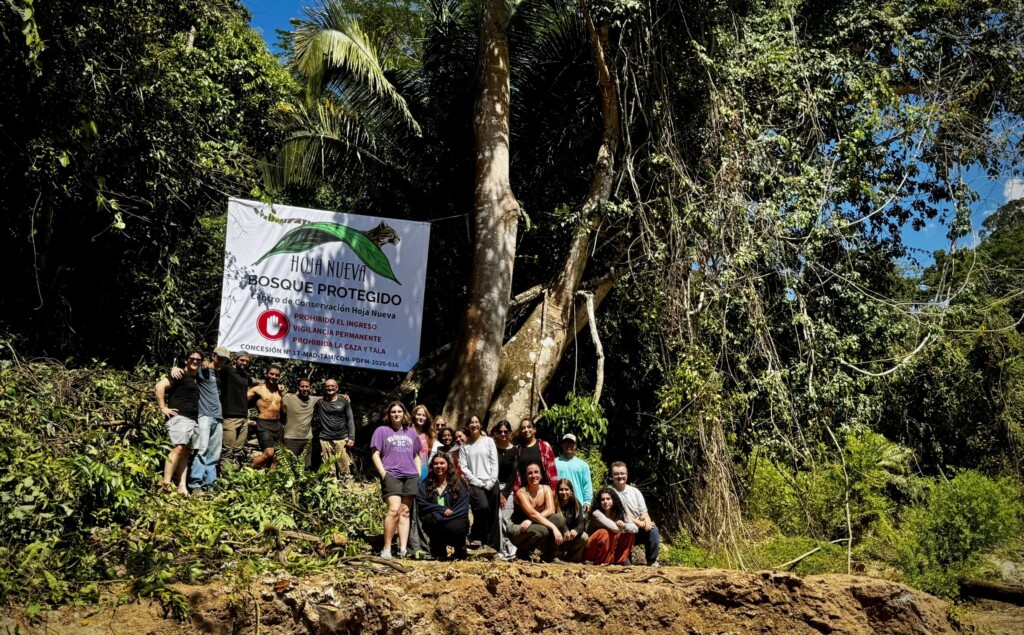
We directly protect more than 3,000 hectares of primary rainforest. Together with neighboring conservation partners and landholders, these lands sit within a connected conservation landscape exceeding 100,000 hectares.
This forest provides habitat for wildlife, release sites for rehabilitated animals, long-term research landscapes, and a buffer against expanding human disturbance.
OUR WILDLIFE REHABILITATION CENTER
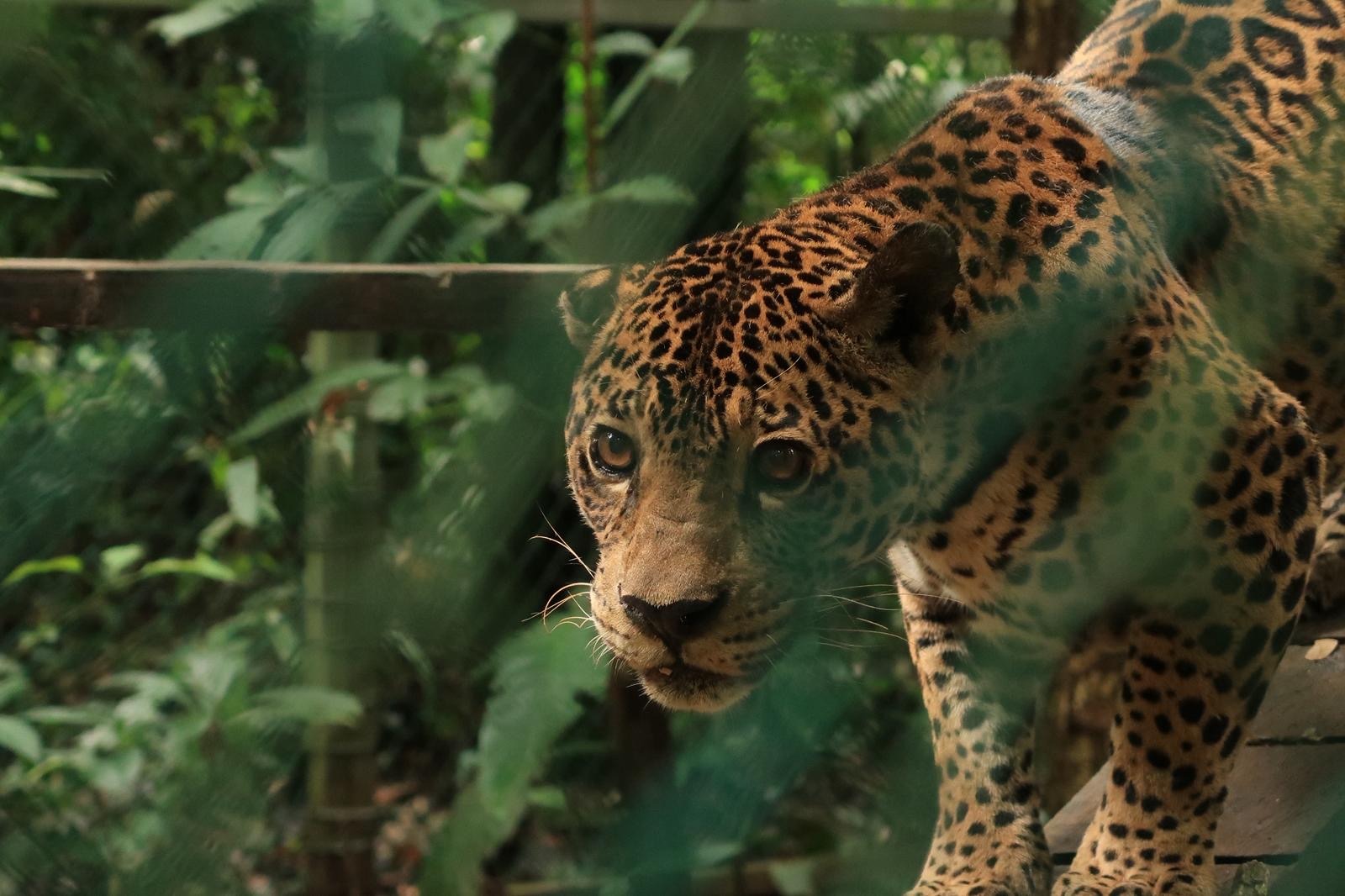
Our government-authorized wildlife center is embedded deep within the forest, intentionally separated from tourism and unnecessary human activity.
Its location allows animals preparing for release to experience natural sounds, smells, vegetation, predators, prey, weather, and ecological conditions while minimizing exposure to people.
OUR RESEARCH & EDUCATION CENTER
Our research station provides a long-term base for ecological monitoring, visiting researchers, students, professional training programs, and field teams.
Its remote location makes fieldwork demanding, but its purpose-built infrastructure allows serious research and education to take place directly inside the ecosystem being studied.
BEYOND OUR FOREST
Our conservation work also extends into communities along the Las Piedras River and into Puerto Maldonado.
Wildlife does not recognize concession boundaries. Neither do disease, domestic animals, waste, water systems, hunting pressure, economic opportunity, or environmental education.
For that reason, protecting Las Piedras means working both inside the forest and beyond it.
05. OUR TEAM
LOCAL CAPACITY IS THE POINT
Conservation should not depend permanently on a founder, an outside scientist, or a visiting expert.
One of Hoja Nueva’s most important achievements has been building a team capable of operating complex conservation programs independently in one of the most logistically difficult regions of Peru.
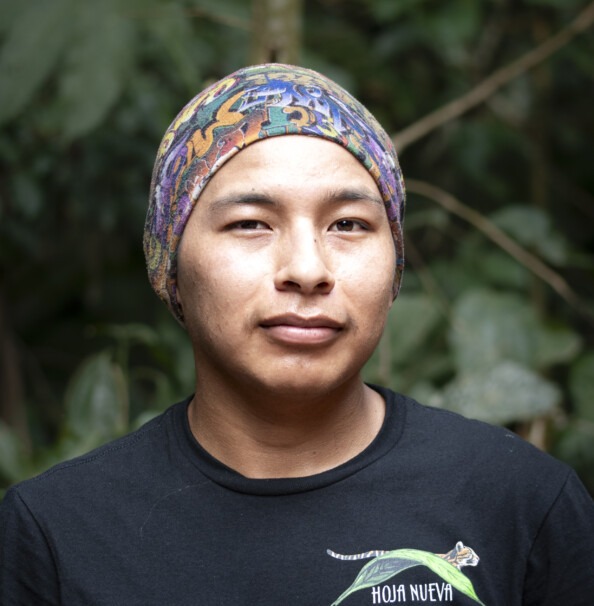
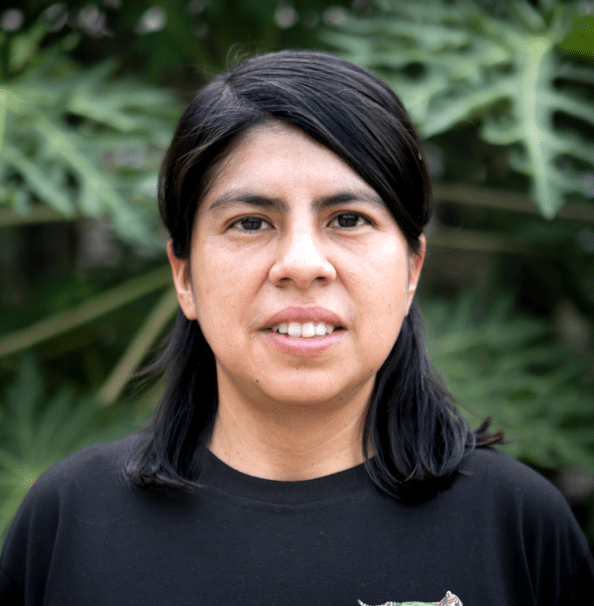
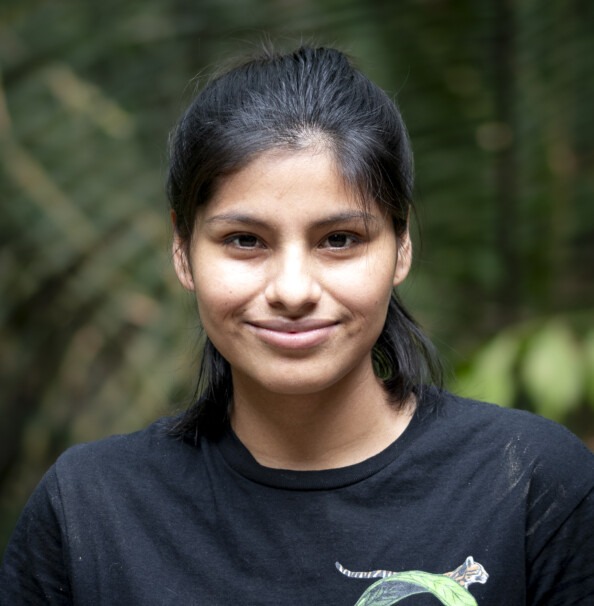
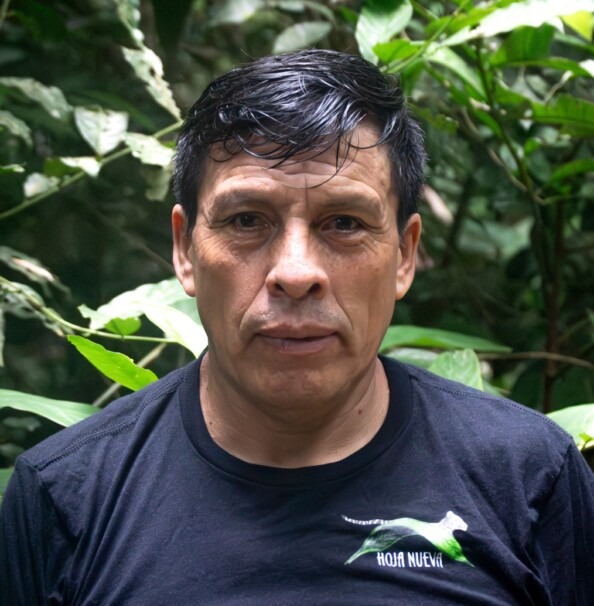
Today, our work is carried out by a Peru-based team spanning biology, wildlife rehabilitation, veterinary medicine, ecological research, animal husbandry, construction, maintenance, logistics, transportation, administration, education, and community work.
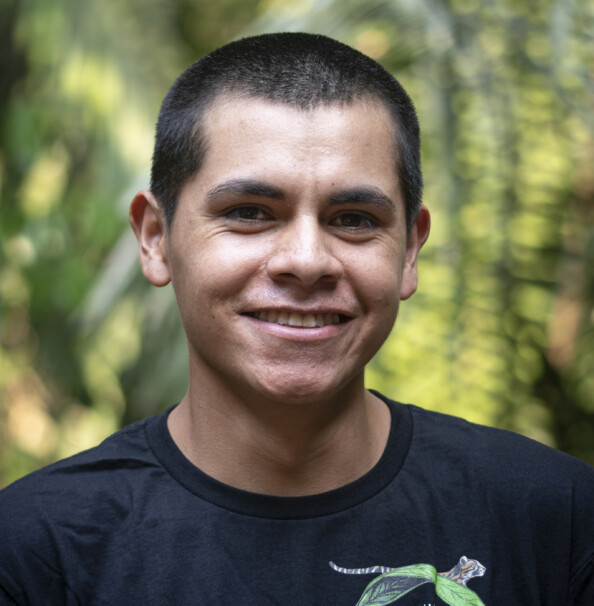
The wildlife rehabilitation center is led on the ground by Jared Guevara and the rehabilitation team, supported by veterinarians and specialists who have developed their expertise through years of practical experience. Research and education programs are likewise supported by dedicated coordinators, technicians, collaborators, and local partners. The current public team roster reflects this increasingly specialized structure across the rescue center, research programs, domestic-animal work, administration, and field operations.
Sam and Dylan continue to provide organizational direction, scientific leadership, program development, partnerships, and long-term strategy, but Hoja Nueva no longer requires its founders to be physically present year-round for the organization to function.
We maintain approximately 15 permanent positions each year, while creating additional seasonal opportunities through research, construction, maintenance, transportation, logistics, and field projects.
Many of the people now responsible for running Hoja Nueva developed their skills inside the organization itself.
That is exactly what capacity building is supposed to accomplish.