

Immersive Conservation Internship
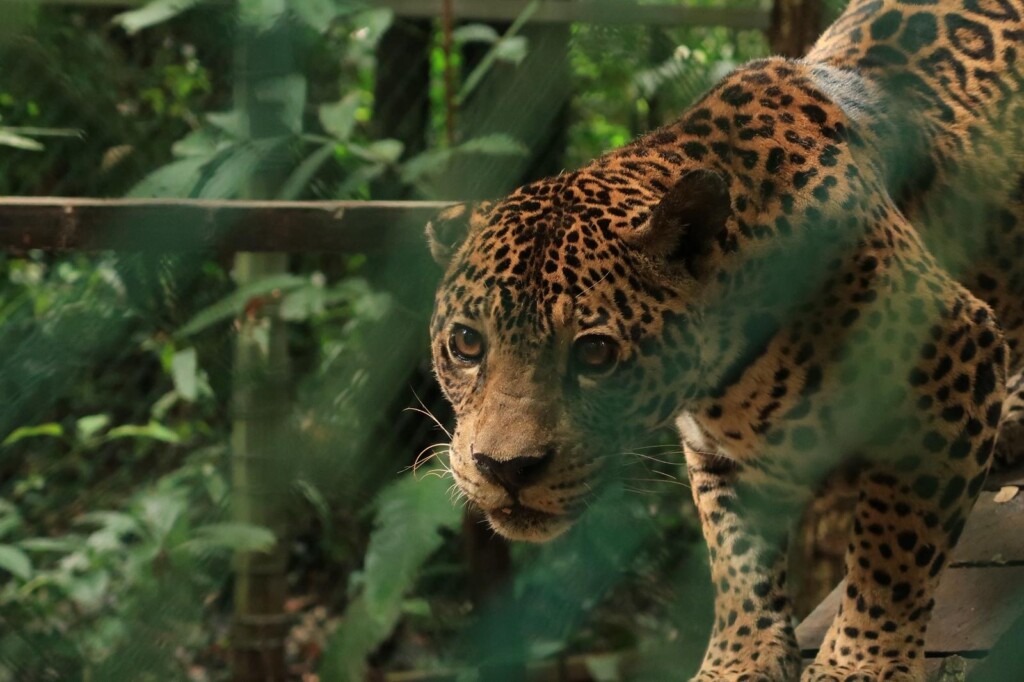
Live, Work, and Learn in the Amazon Rainforest
A hands-on Amazon internship combining wildlife care, field research, jungle skills, and applied conservation work with local communities.
Overview
The Hoja Nueva Immersive Conservation Internship is a hands-on, field-based experience designed for individuals who want to actively participate in conservation while living in one of the most biodiverse ecosystems on Earth.
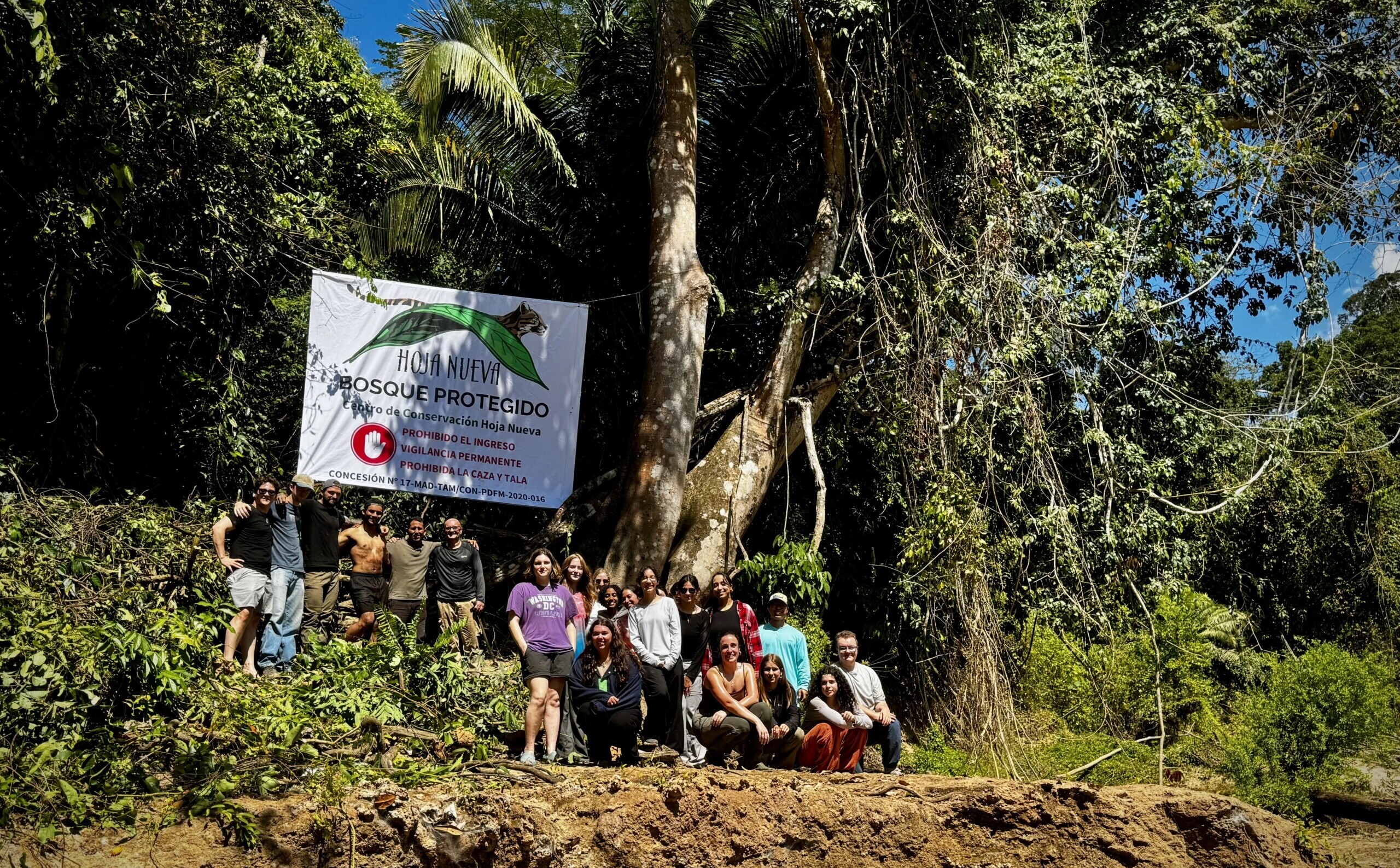
Based within a 7,000-acre protected rainforest reserve in Madre de Dios, Peru, you will work alongside researchers and wildlife professionals contributing to real conservation initiatives—not simulations or tourism.
This program is designed to give you broad exposure across conservation disciplines, combining ecological research, wildlife monitoring, and rehabilitation support into one integrated experience. You will also be introduced to Hoja Nueva’s applied conservation work with local communities, including education, One Health, and sustainability initiatives that support both people and wildlife.
No prior experience is required—only curiosity, motivation, and a willingness to learn.
What You'll Do
Your experience will be rotational and dynamic, reflecting the realities of fieldwork, weather, animal needs, and ongoing conservation projects. Some days may be research-heavy, while others may focus on wildlife care, enrichment, trail work, field skills, or jungle-based exploration.
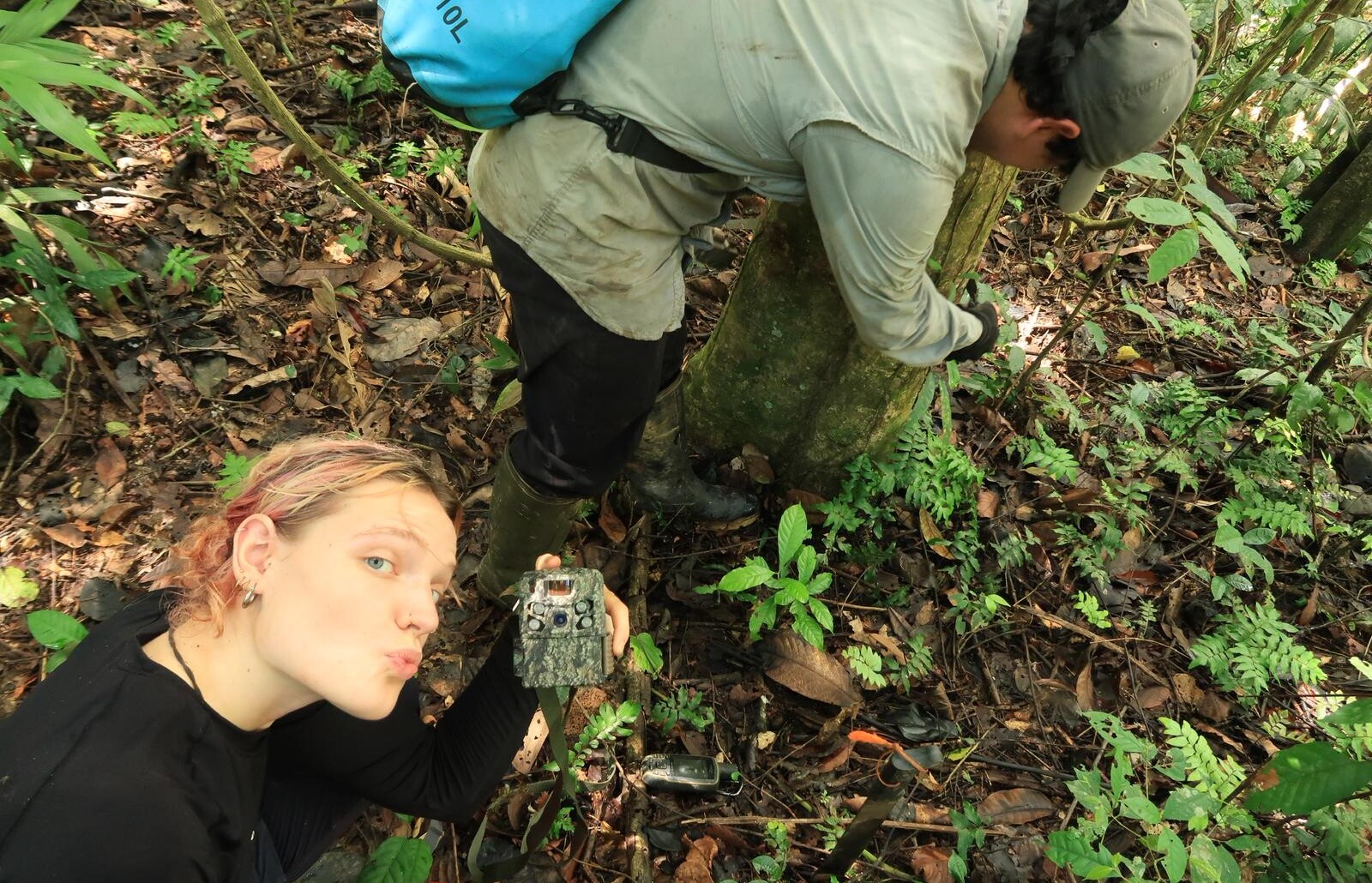
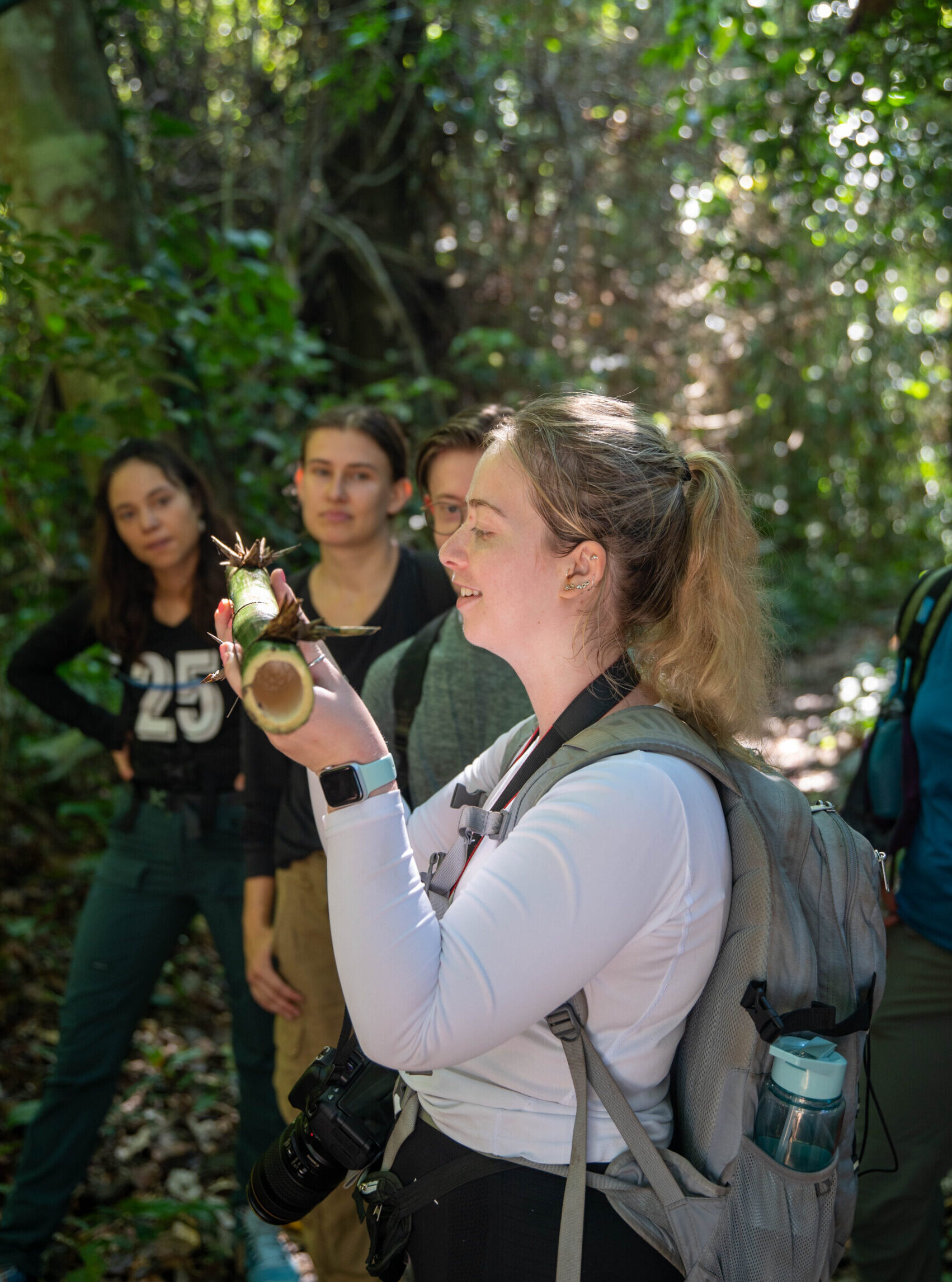
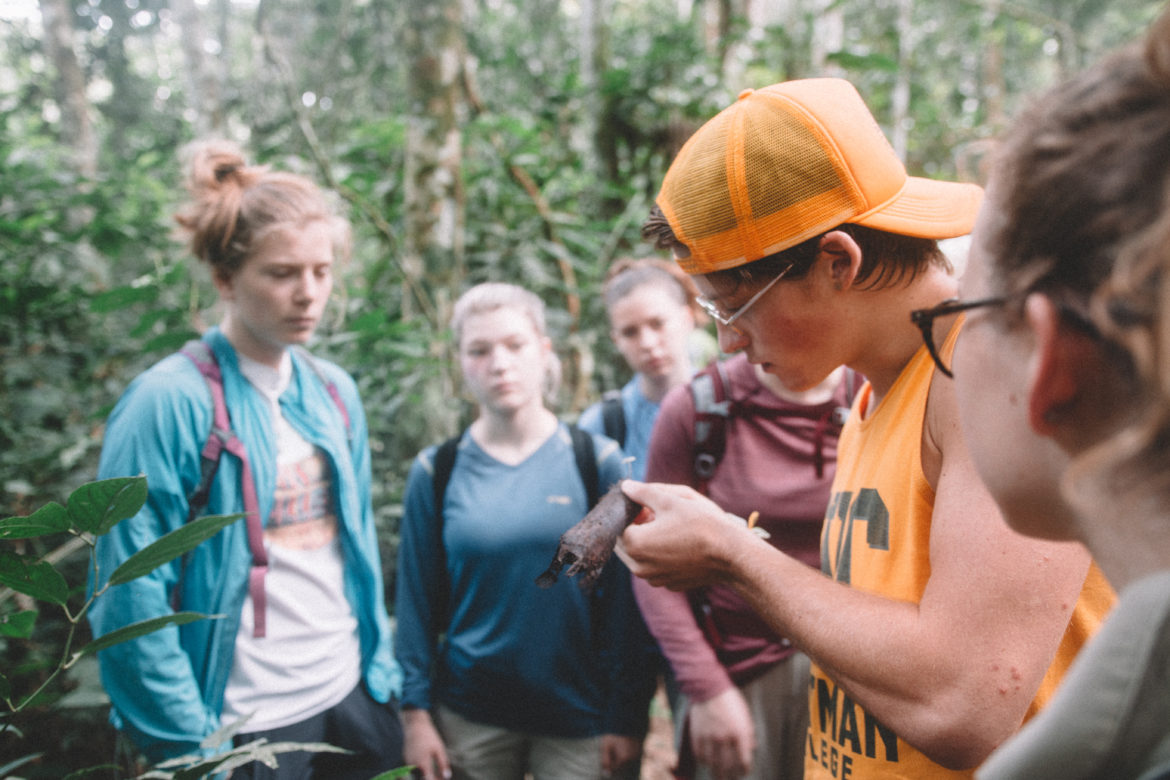
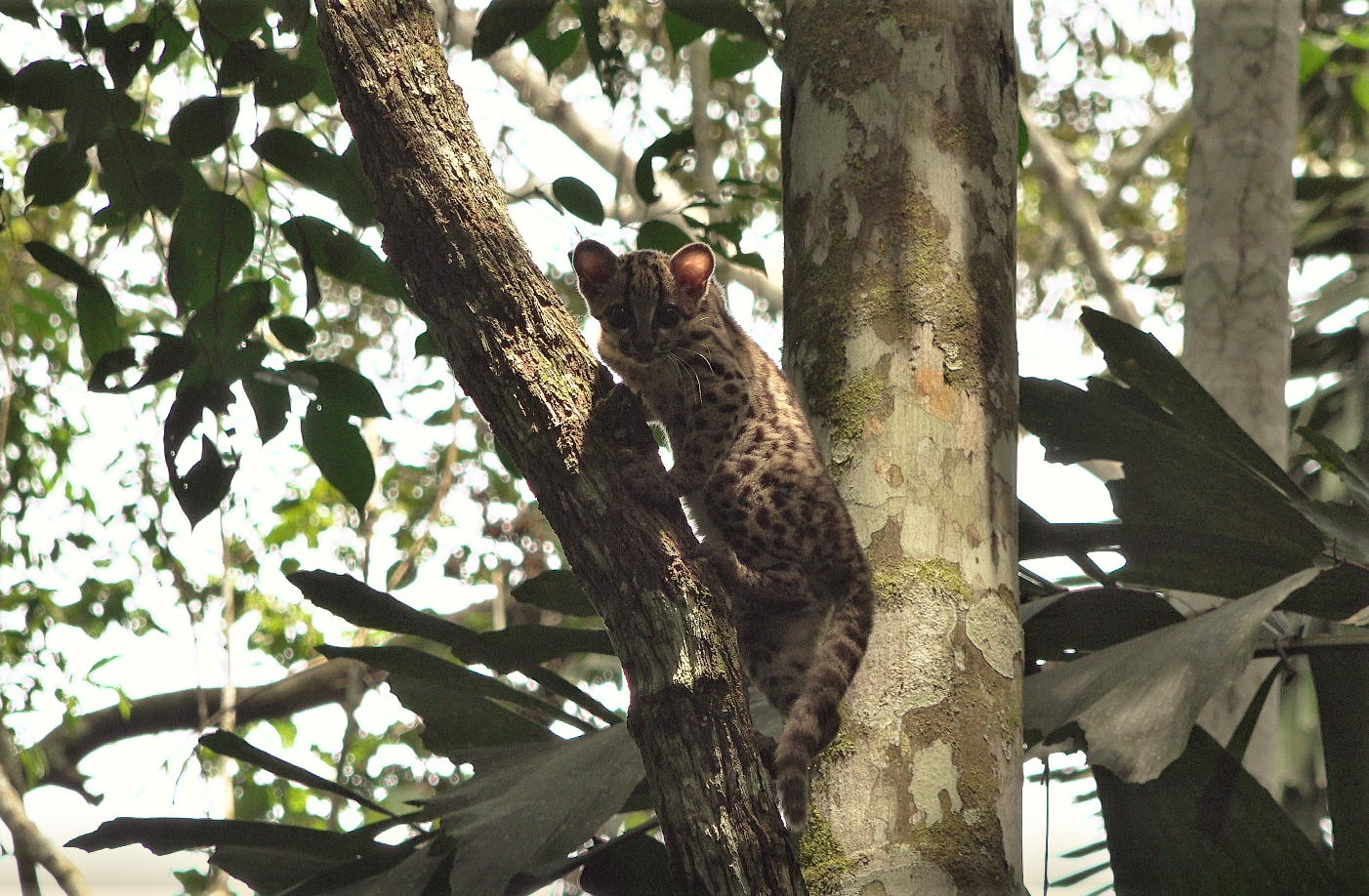
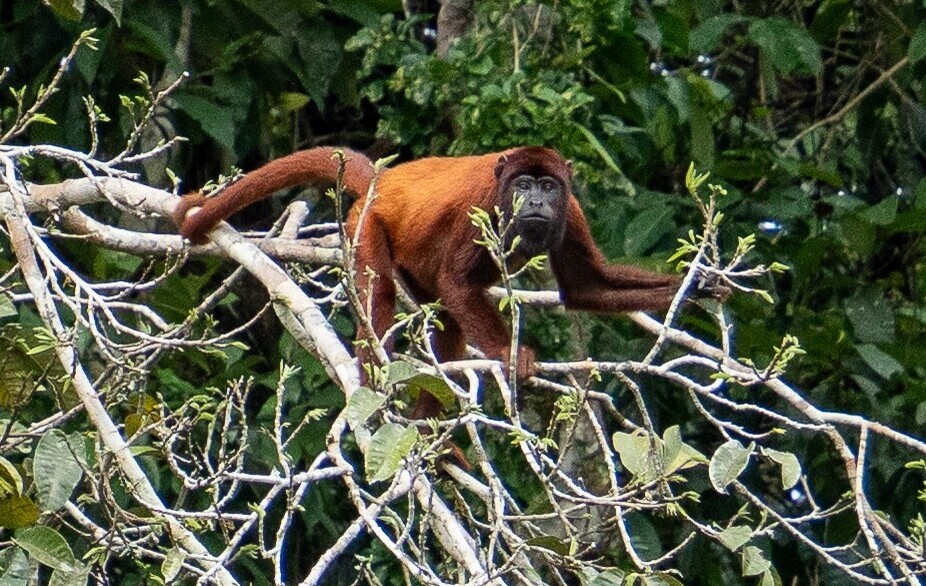
On the research side, interns may participate in camera trap deployment, maintenance, data retrieval, and image review; primate monitoring and monkey follows; biodiversity surveys; wildlife observation; night walks; moth and insect light trapping; field data recording; and exposure to ecological monitoring methods. Interns may also learn practical field skills such as using a GPS, navigating forest trails, maintaining trails, and safely using a machete for fieldwork and site maintenance.
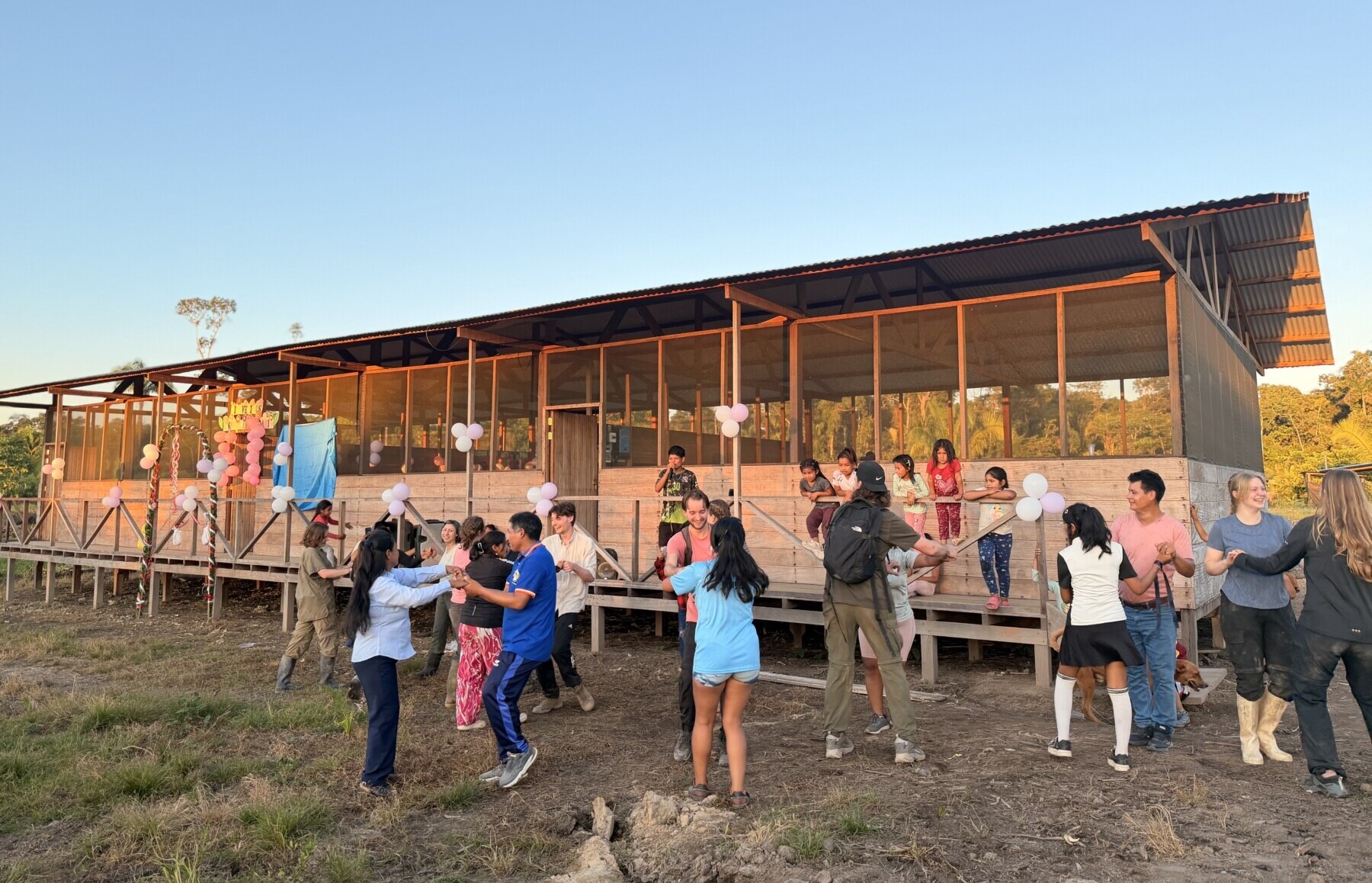
Interns also gain exposure to Hoja Nueva’s broader applied conservation and community work. Our conservation model extends beyond the forest and rescue center into surrounding communities of the Las Piedras region, where we support environmental education, community infrastructure, waste management, water solutions, and One Health initiatives. Recent work includes helping build the first secondary school serving several remote communities, supporting environmental education programs, developing an arts and sciences room and library, and participating in community health efforts such as dog and cat deworming, vaccination, and rehoming campaigns.
Intern participation in community-based work depends on timing, project needs, and local schedules. However, these initiatives are central to understanding conservation as it actually happens on the ground: through wildlife protection, research, education, public health, and long-term relationships with local communities.
On the wildlife rehabilitation side, interns support the daily work of our rescue center. Immersive interns typically go to the rescue center four mornings per week, where they may help prepare species-specific diets, design and build enrichment from natural jungle materials, clean and maintain spaces, observe animal behavior, and support the care of non-releasable sanctuary animals. This allows interns to contribute meaningfully while respecting Hoja Nueva’s strict ethics around rehabilitation, rewilding, and minimizing contact with animals that may be candidates for release.
The internship also includes weekly presentations or discussions led by members of the Hoja Nueva team. These may cover topics such as tropical ecology, wildlife rehabilitation, camera trapping, rewilding, conservation challenges in the Amazon, animal behavior, field methods, or applied conservation work.
A Typical Day / Week
Every day is different, but a typical morning may begin at the rescue center with animal care support, feeding, cleaning, enrichment preparation, or gathering natural materials from the forest. Immersive interns usually spend four mornings per week at the rescue center, contributing to the care and welfare of sanctuary animals while learning about ethical wildlife management and rehabilitation support.
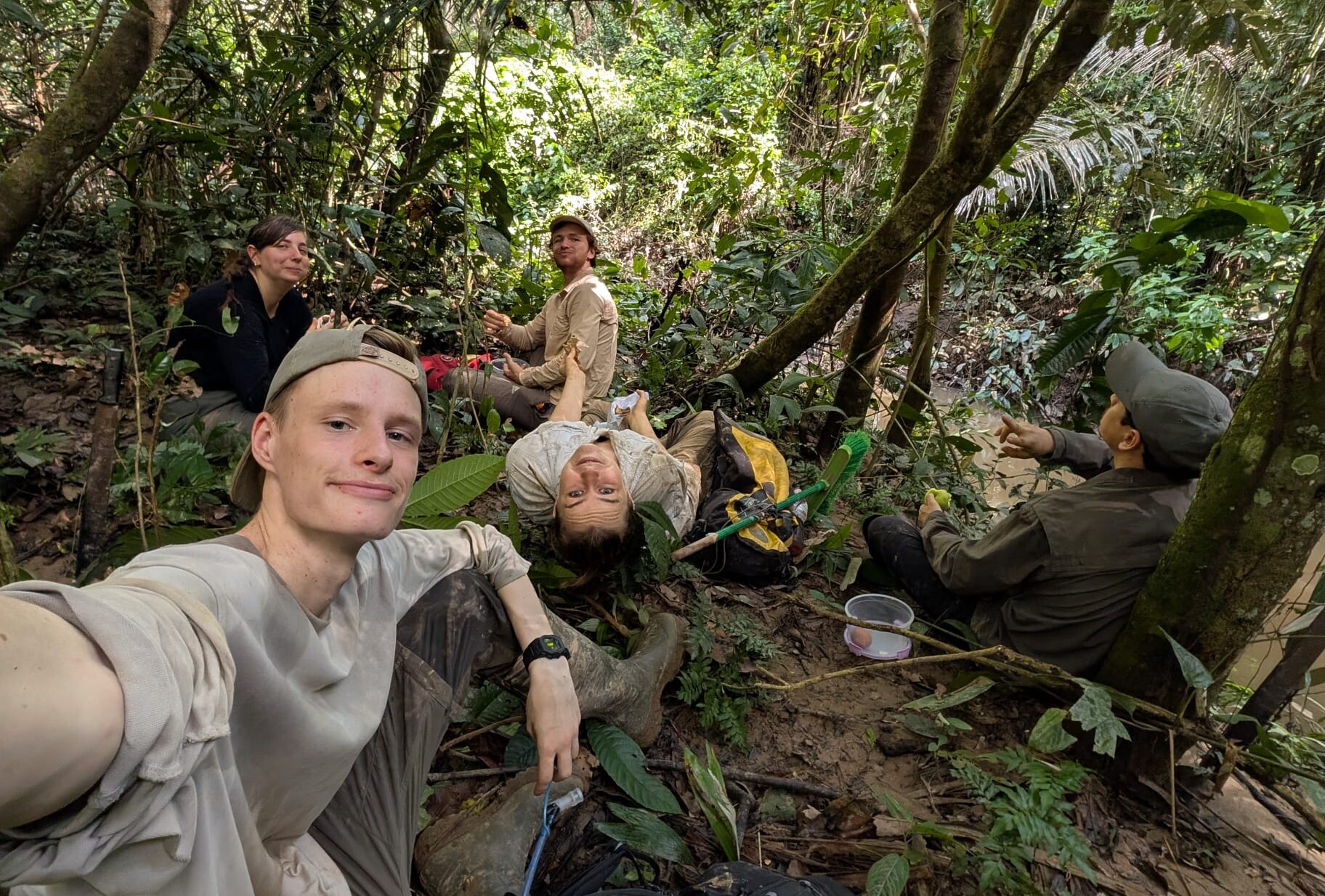
Other mornings or afternoons may involve camera trap hikes, primate monitoring, biodiversity surveys, trail maintenance, GPS/navigation practice, data entry, moth light trapping preparation, or jungle walks with the research team. Some evenings may include night walks, presentations, group discussions, insect light trapping, or downtime at camp.
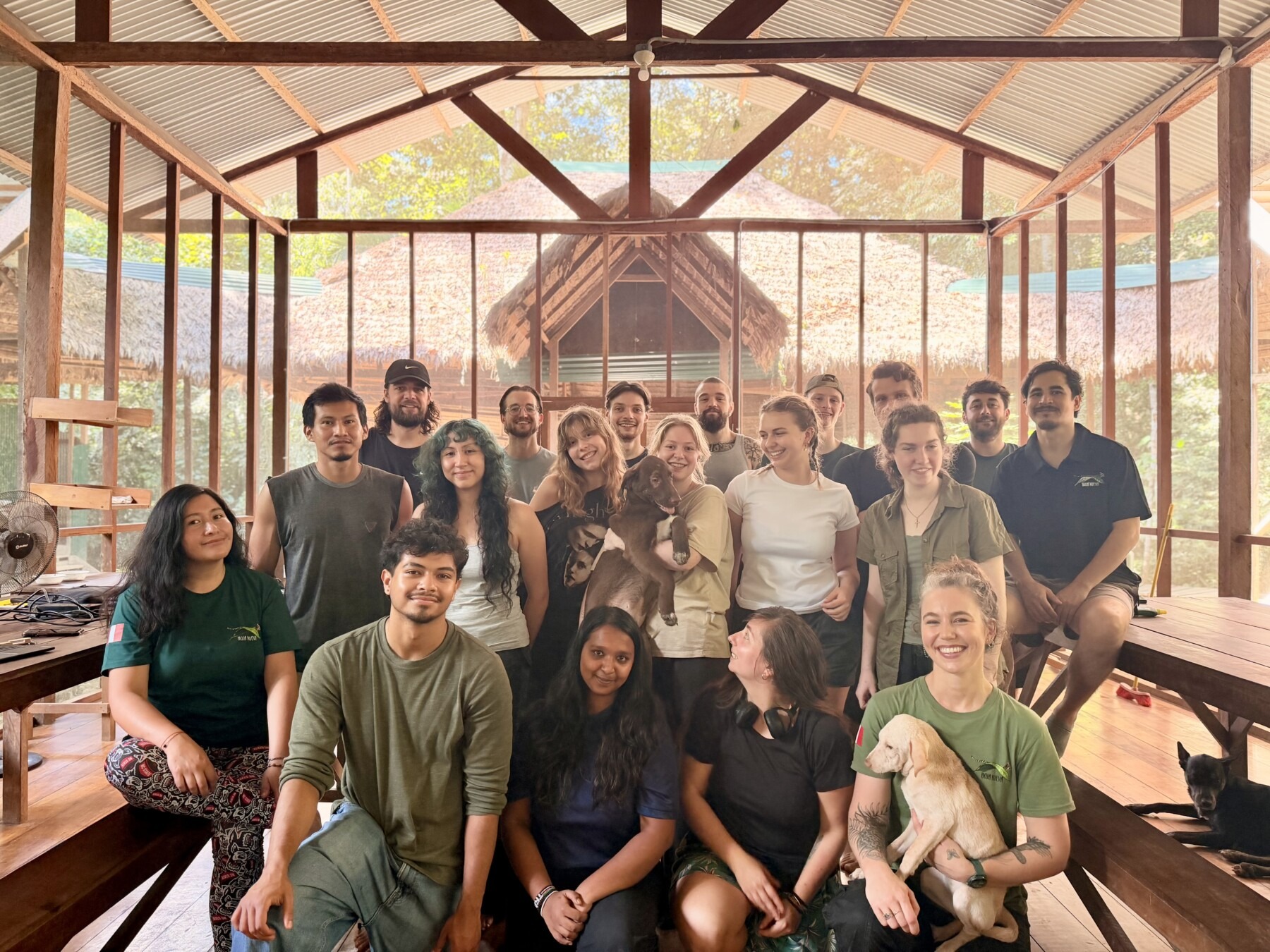
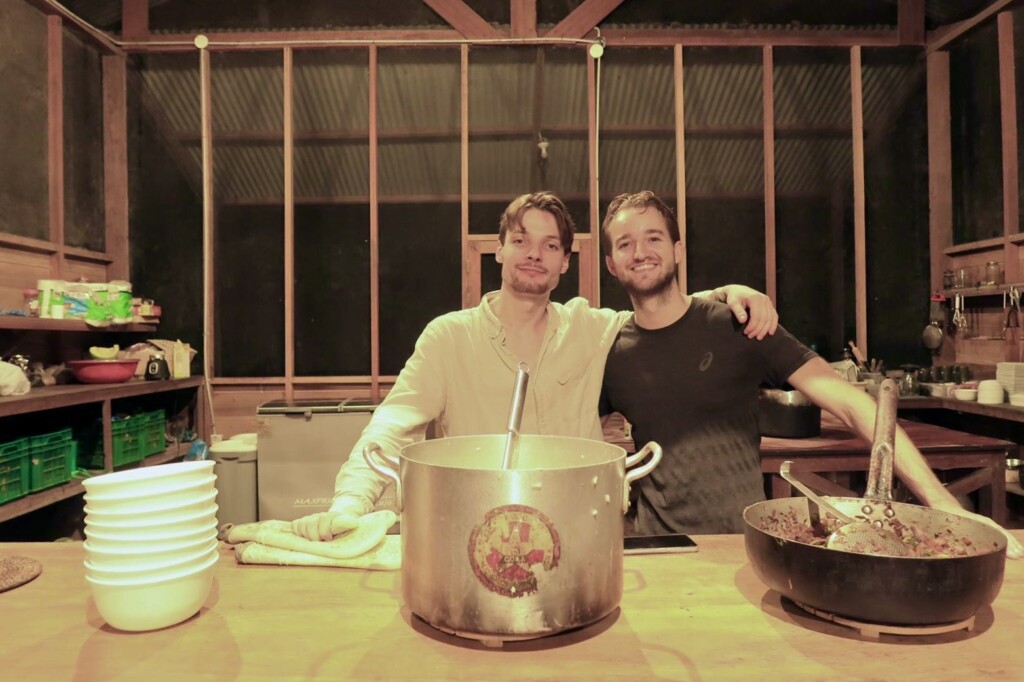
All interns also participate in the shared life of the field station. Hoja Nueva is a remote conservation site, not a hotel, and everyone helps keep the site running. This includes a weekly deep-clean block, rotating cooking responsibilities, helping with food and supply orders, and carrying supplies into camp. These shared responsibilities are part of life in a remote field setting and help interns understand the practical realities behind conservation work.
Expect a mix of physical work, learning, exploration, and adaptation. Some days are muddy and demanding; others are slower, reflective, or focused on learning. Flexibility is essential, and the interns who get the most out of the experience are those who are willing to participate fully in both the exciting and the practical parts of conservation work.
What You'll Gain
By the end of your stay, you will have gained foundational knowledge of tropical ecology, wildlife conservation, and ethical rehabilitation practices. You will develop practical experience in field data collection, animal care support, enrichment design, rainforest living, and conservation teamwork.
This internship is especially valuable for people who are exploring conservation careers, deciding between wildlife care and research, or seeking meaningful experience before pursuing further study or professional work.
Interns also leave with a broader understanding of what conservation work looks like beyond wildlife care and research. At Hoja Nueva, conservation includes education, community collaboration, infrastructure, One Health, and the daily work of building trust with people living alongside the forest. This wider perspective helps interns understand that protecting biodiversity requires both ecological knowledge and long-term commitment to the communities connected to these ecosystems.
Life at Hoja Nueva
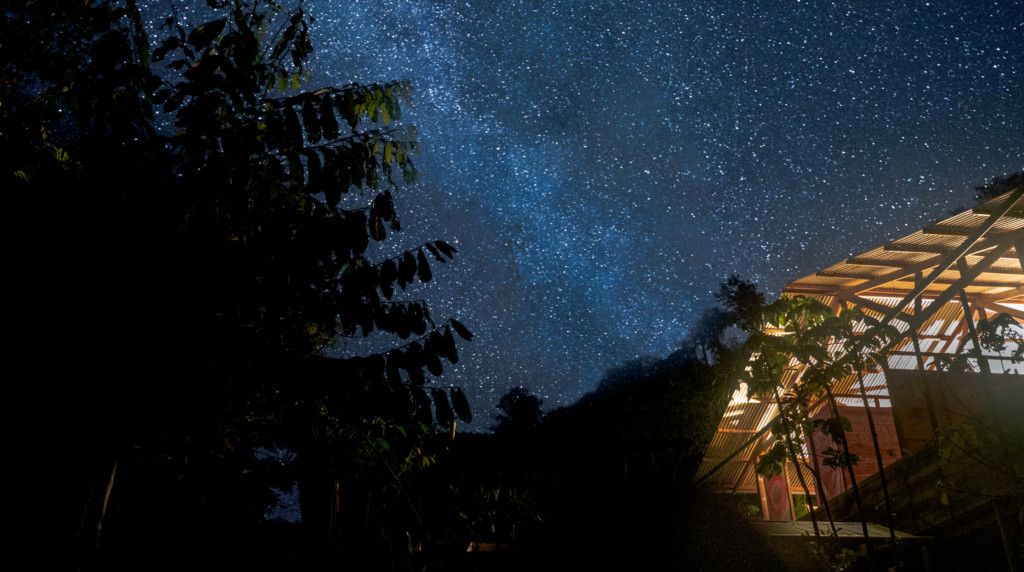
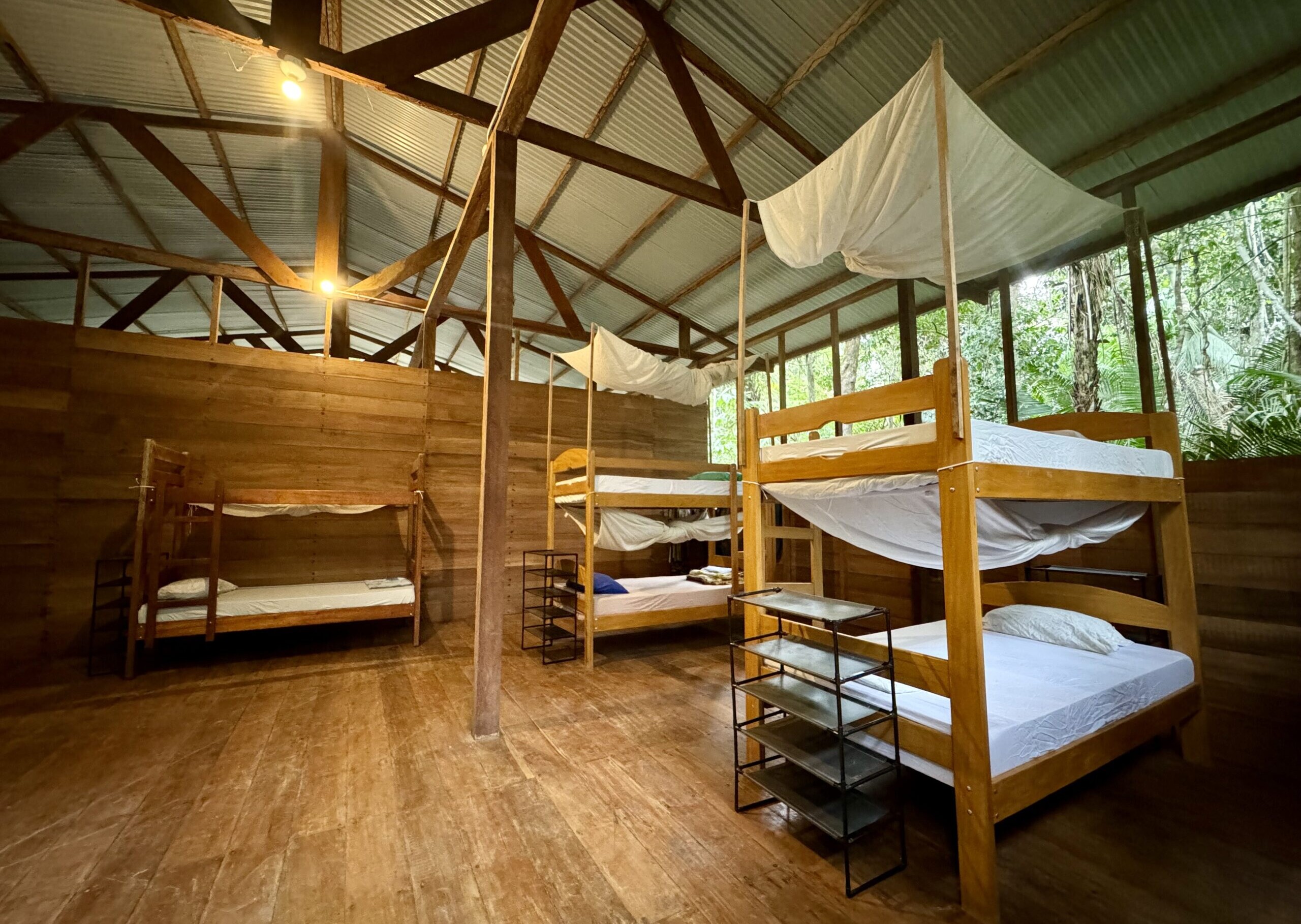
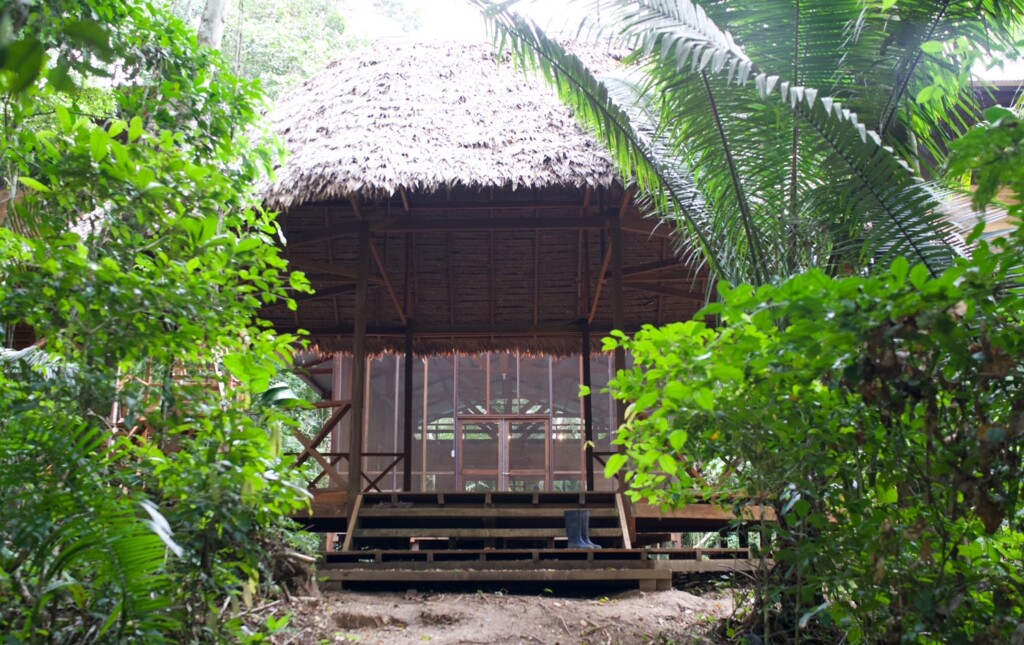
Interns live on-site at a purpose-built research station embedded in primary rainforest. Accommodation is shared and simple, with separate male and female sleeping areas, comfortable beds with mosquito nets, and communal spaces for eating, relaxing, learning, and working.
Facilities are intentionally low-impact and suited to remote rainforest living. The site has solar-powered electricity, composting toilets, showers, a hand-wash laundry station, and Starlink Wi-Fi available during parts of the day. Wi-Fi and charging are generally available for an average of 6–8 hours per day, depending on power, weather, site needs, and connectivity. Interns should be prepared for limited connectivity and should download important materials, messages, or travel documents ahead of time when possible.
Meals are provided and are simple, nutritious, and communal. Because we do not have cooks or cleaners, interns take part in shared cooking, cleaning, supply carrying, and basic camp responsibilities. These tasks are part of life at a remote conservation field station and help keep the project running.
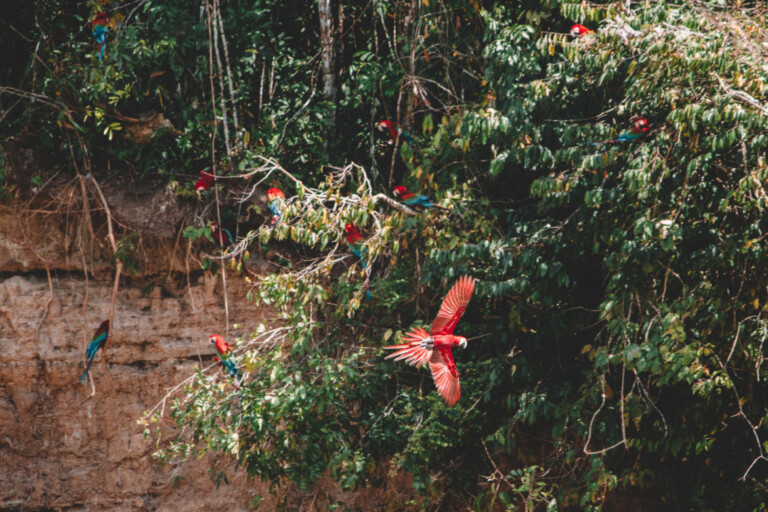
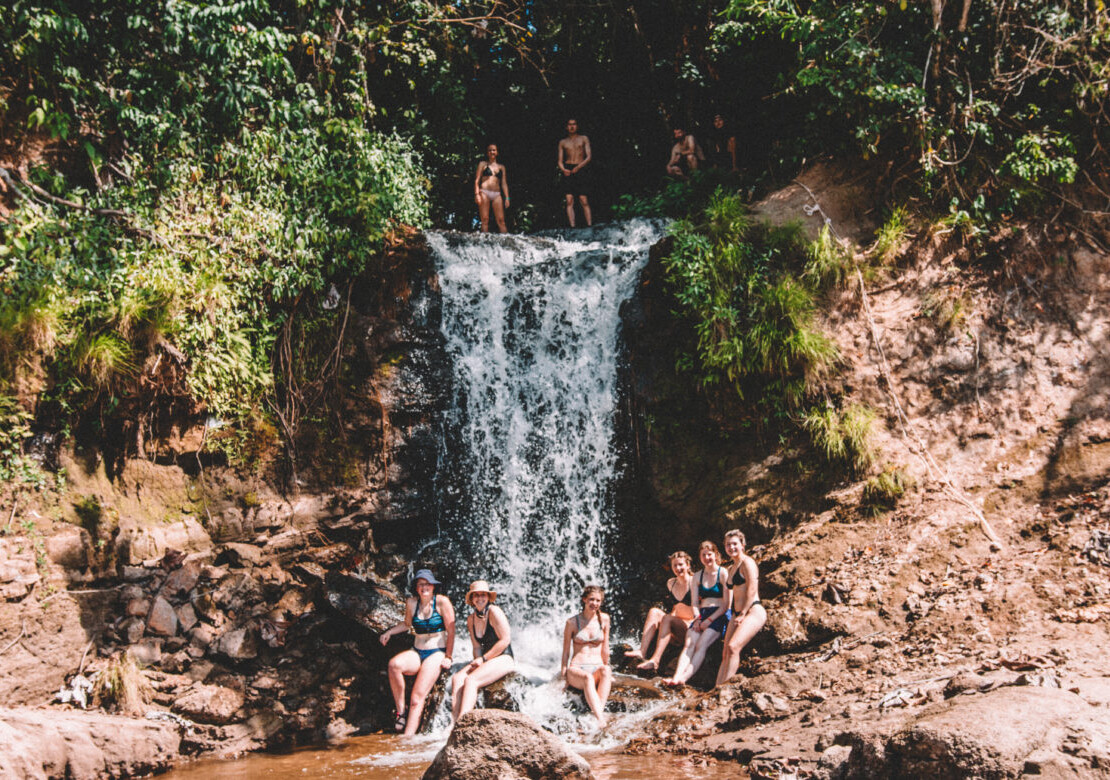
Hoja Nueva is remote, off-grid, and located several hours from the nearest city. The environment is hot, humid, muddy, and physically demanding at times. You will be surrounded by extraordinary biodiversity, including mammals, birds, reptiles, amphibians, insects, and dense rainforest. For many interns, this combination of challenge, simplicity, teamwork, and immersion is one of the most meaningful parts of the experience.
Who This Is For
This program is ideal for beginners exploring conservation careers, students seeking hands-on experience, career changers, and individuals who want a meaningful rainforest immersion. It is also a strong fit for people who want to experience both wildlife rehabilitation support and field research before choosing a more specialized path.
No prior experience is required, but participants must be adaptable, respectful, physically capable, and willing to contribute to team life.
Expectations
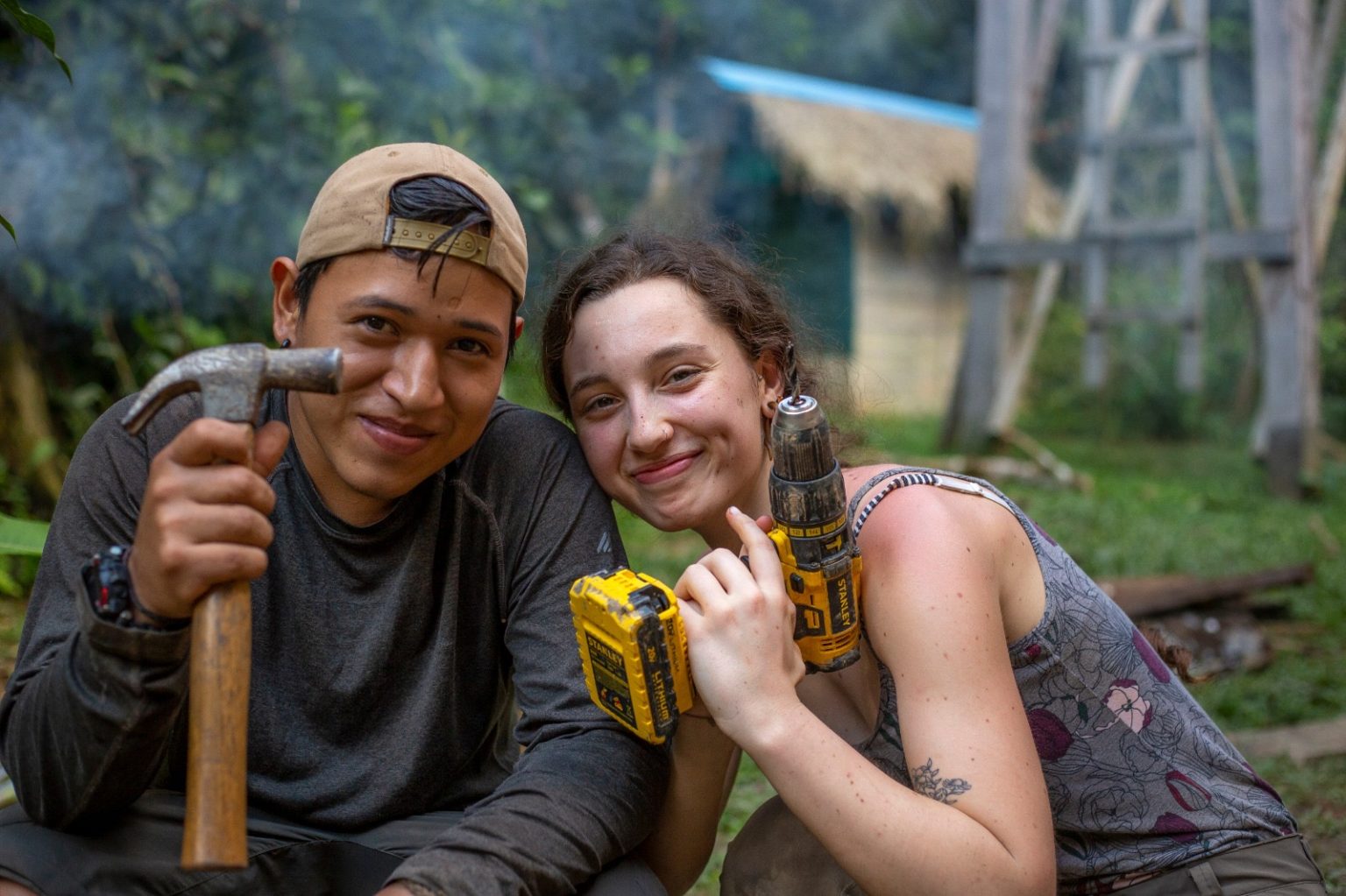
This is not tourism. Interns are expected to participate, contribute, and remain flexible as daily needs change. Days can be physically active and occasionally long. You should be prepared for team-based living, remote jungle conditions, limited connectivity, insects, humidity, and the realities of working in a conservation setting. The interns who thrive here are those who arrive ready to be useful, curious, flexible, and fully present in both the exciting and everyday parts of field conservation.
Duration and Pricing
The Immersive Conservation Internship is flexible, with stays available from one week to six months or longer. Pricing is tiered, with discounted weekly rates for longer stays to encourage deeper learning and greater contribution.
Sample Program Fees:
One Week
$525
Two Weeks
$945
One Month
$1,575
Two Months
$2,900
Three Months
$3,975
Four Months
$4,900
Five Months
$5,850
Six Months
$6,750
What's Included
Your program fee includes on-site accommodation in the rainforest, all meals, local transport to and from Puerto Maldonado, participation in research and rehabilitation activities, mentorship from field staff and researchers, and access to shared facilities, communal areas, and Wi-Fi during available power/connectivity windows.
Shorter stays are more intensive and introductory, while longer stays allow interns to develop stronger skills, build confidence, and take on more responsibility. Custom durations beyond six months may be available upon request.
A deposit is required to secure your placement, with the remaining balance due prior to arrival.
Ready to Join Us?
The Immersive Conservation Internship is your opportunity to contribute to meaningful, ethical conservation while learning directly from the Hoja Nueva team working on the frontlines of rainforest protection in the Peruvian Amazon.
If you’re ready to live, learn, and contribute in the Amazon, we’d love to hear from you.