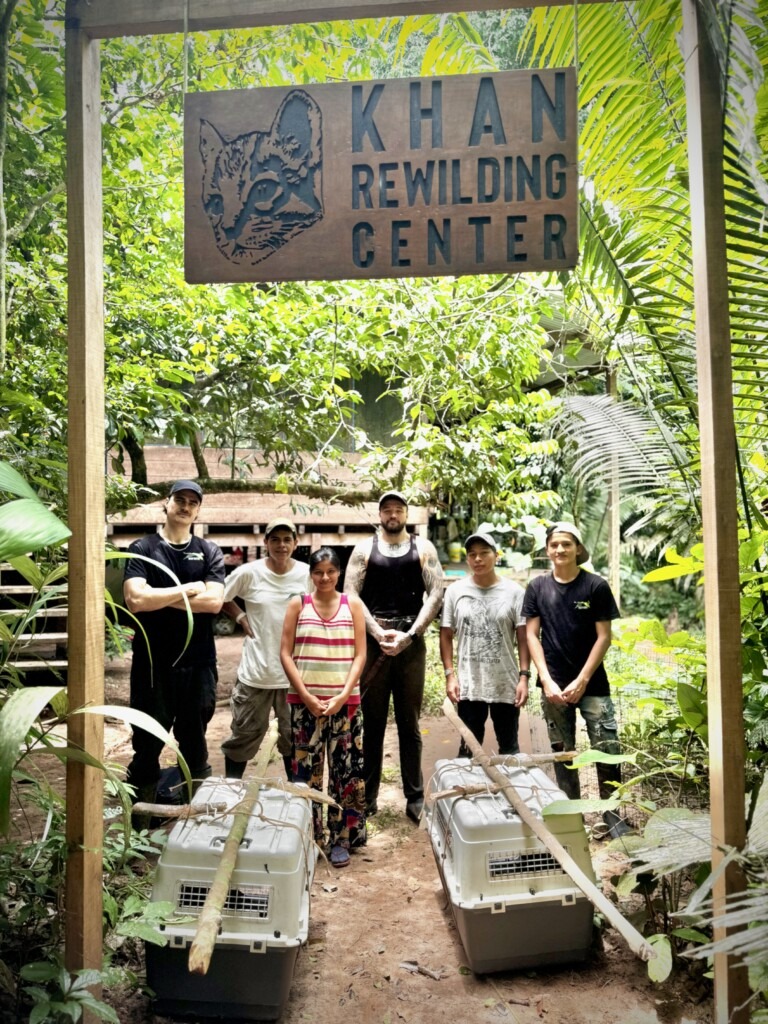
3-Week Intensive Wildlife Health + Rewilding Field Course
Pre-Veterinary training in the amazon rainforest
A three-week intensive course in wildlife health, pre-release care, field monitoring, and conservation medicine.
Overview
The Hoja Nueva Pre-Veterinary Course is a three-week intensive field course for students and aspiring professionals interested in wildlife medicine, conservation medicine, and animal health.
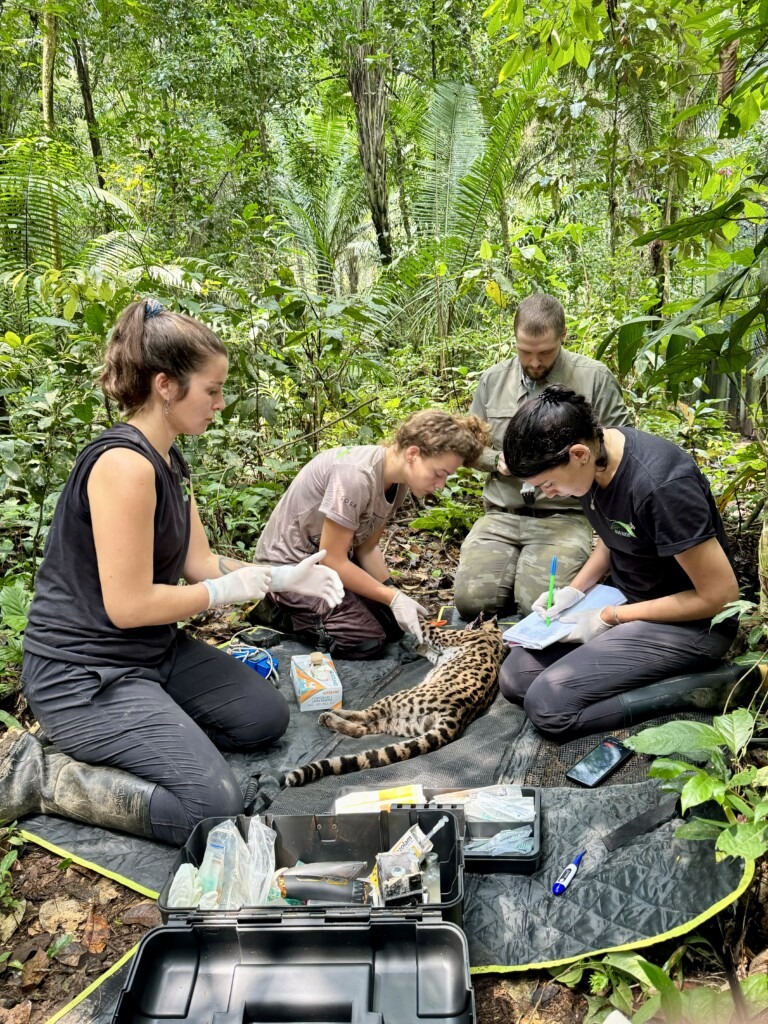
Based in the Peruvian Amazon, this course gives participants the opportunity to learn alongside veterinarians, wildlife rehabilitators, and conservation staff at an active rescue and rewilding center. The program focuses on the veterinary process behind preparing wild animals for release, including pre-release health checks, annual wellness exams, disease screening, clinical observation, and post-release monitoring.
This course is ideal for pre-veterinary students seeking meaningful field experience before applying to veterinary school, as well as students interested in wildlife rehabilitation, conservation medicine, zoo/wildlife health, or One Health.
What You'll Do
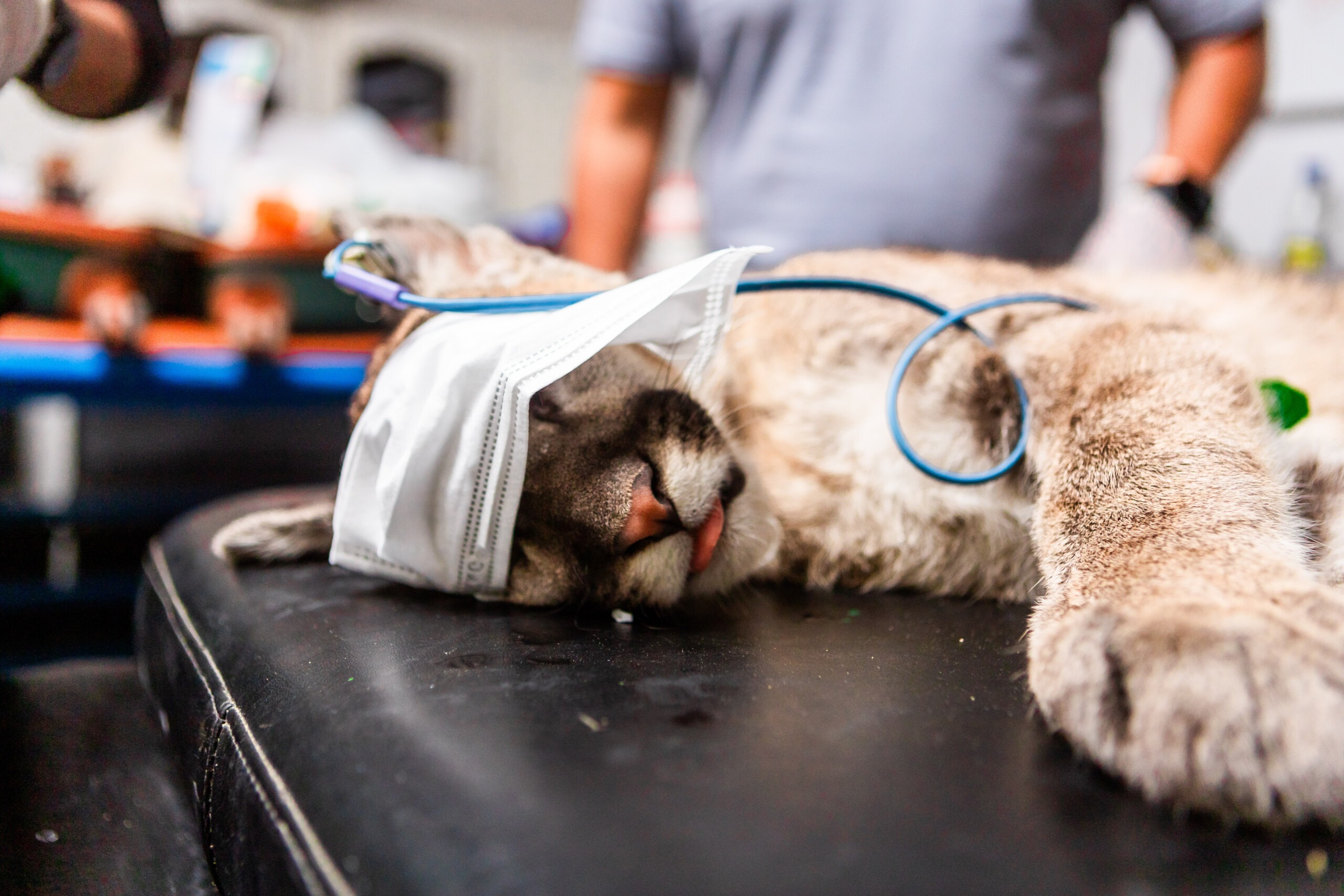
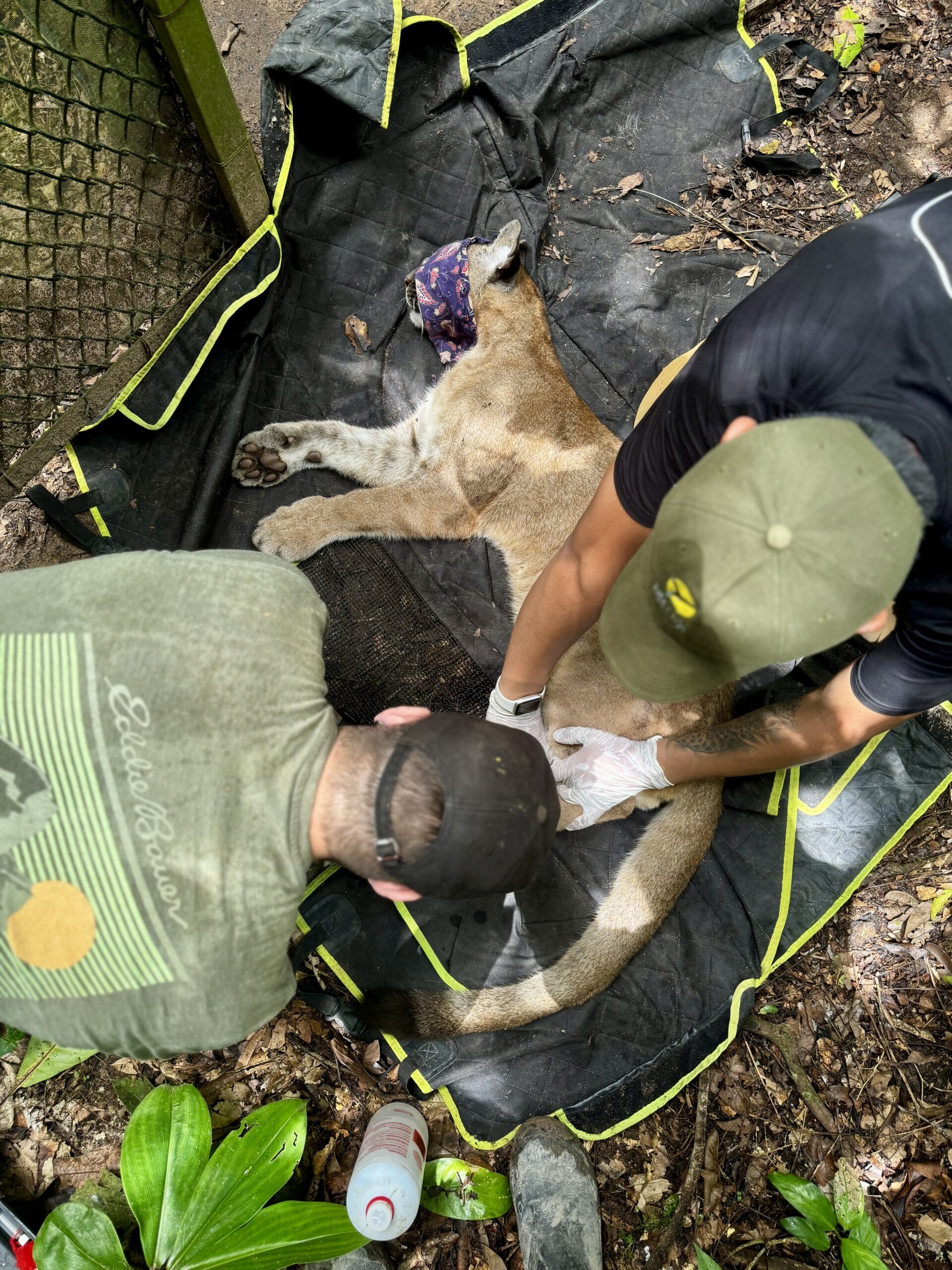
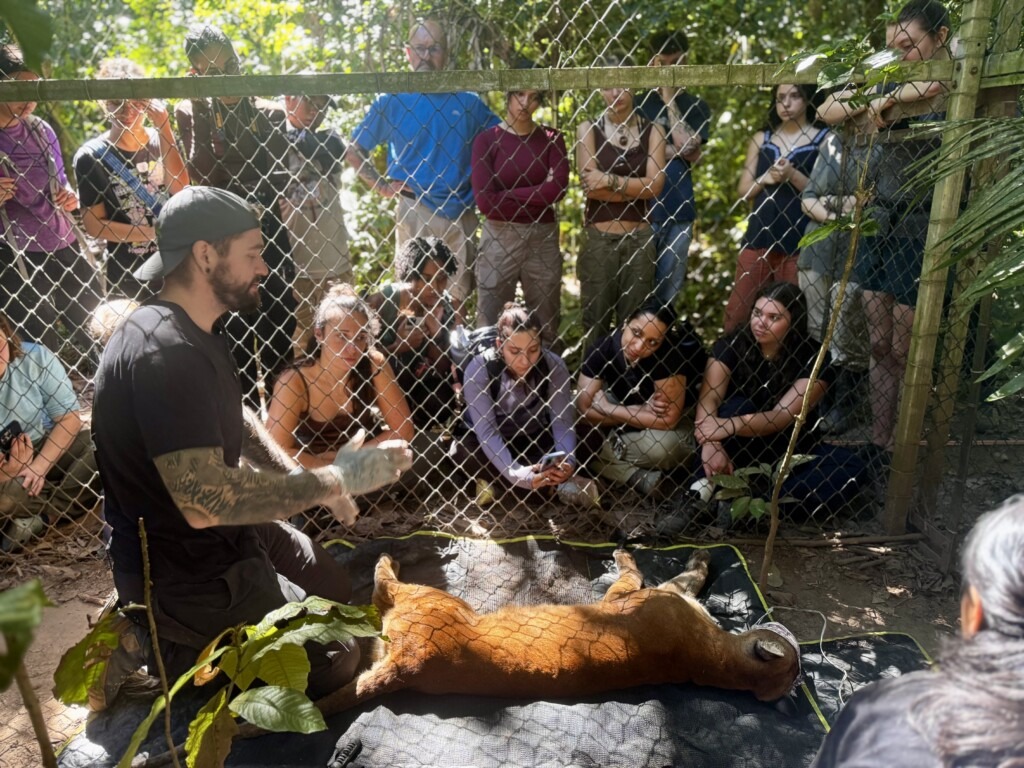
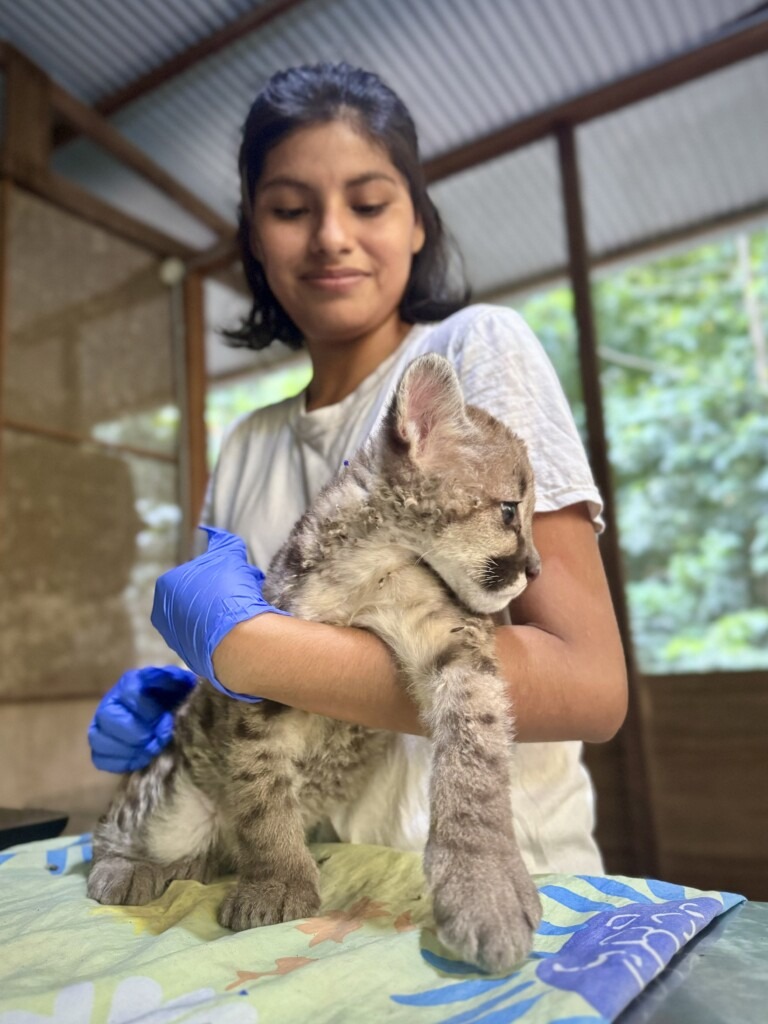
Participants gain exposure to the full veterinary and conservation process behind wildlife rehabilitation and release. Depending on the animals present and veterinary priorities during each session, students may observe or assist with pre-release health checks, annual exams for resident animals, sample preparation, physical exam documentation, body measurements, photo records, collar fitting measurements, and post-procedure monitoring.
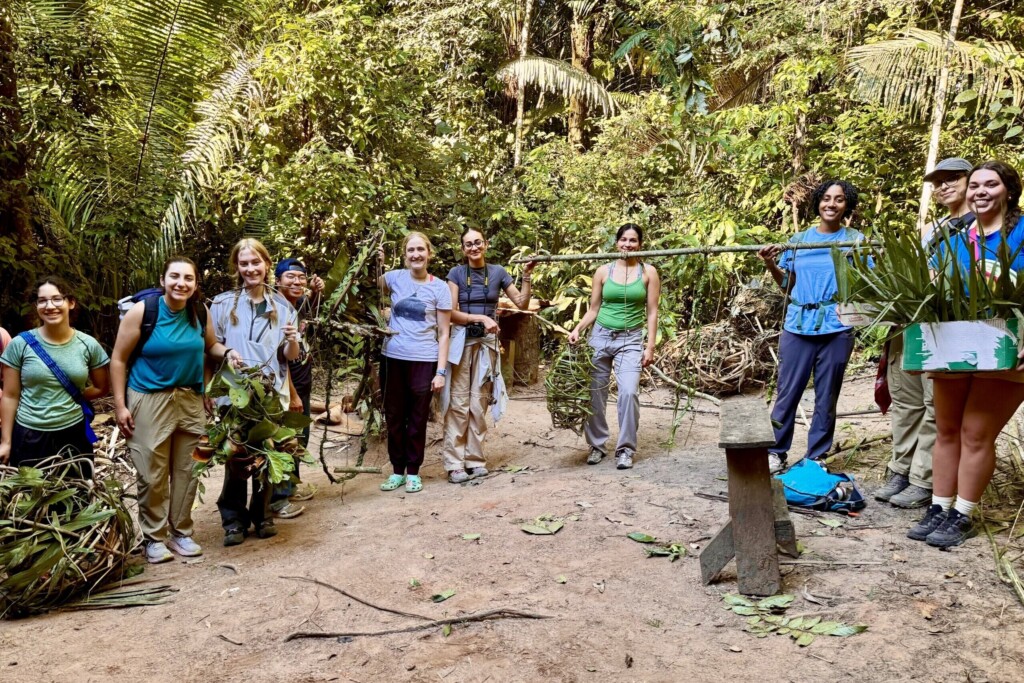
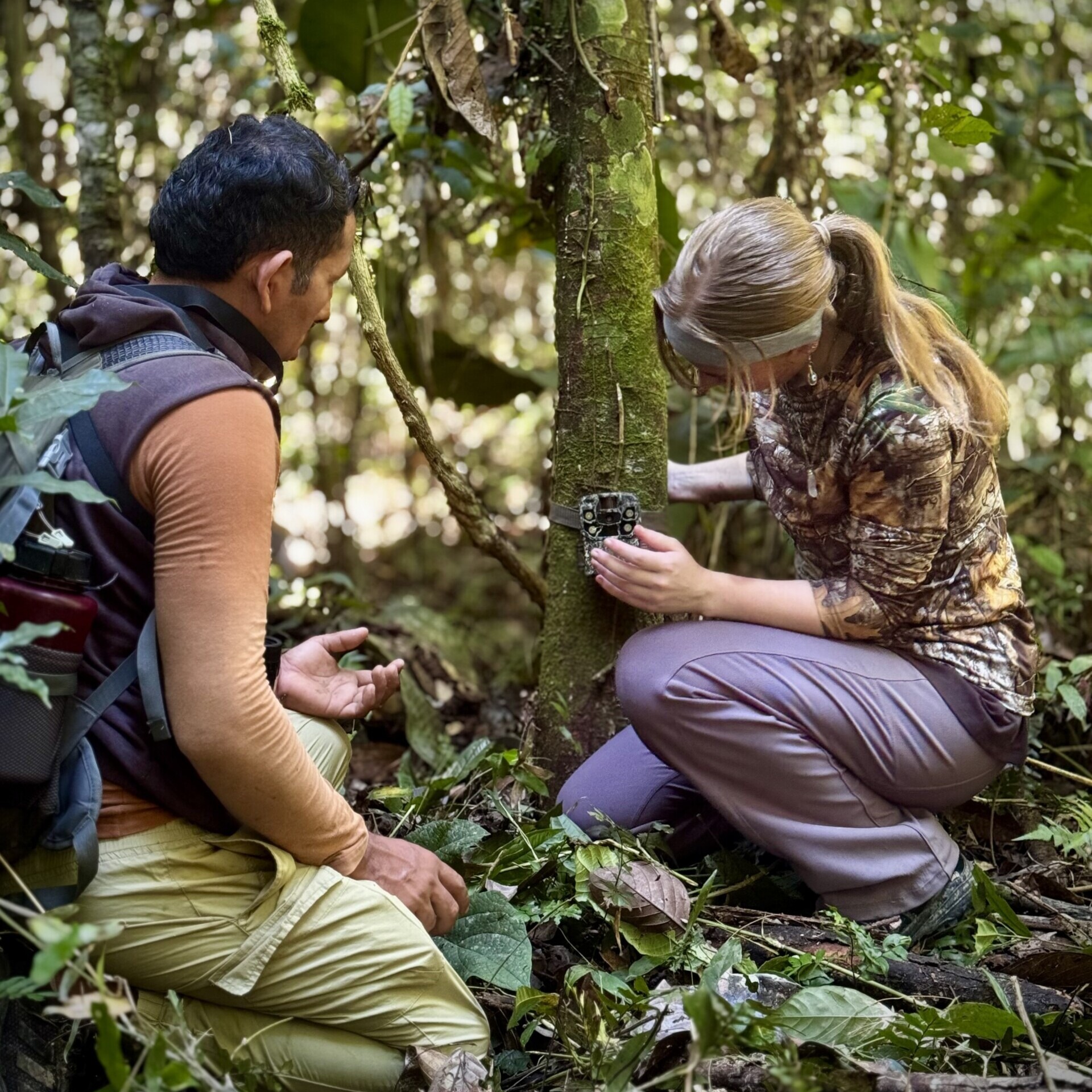
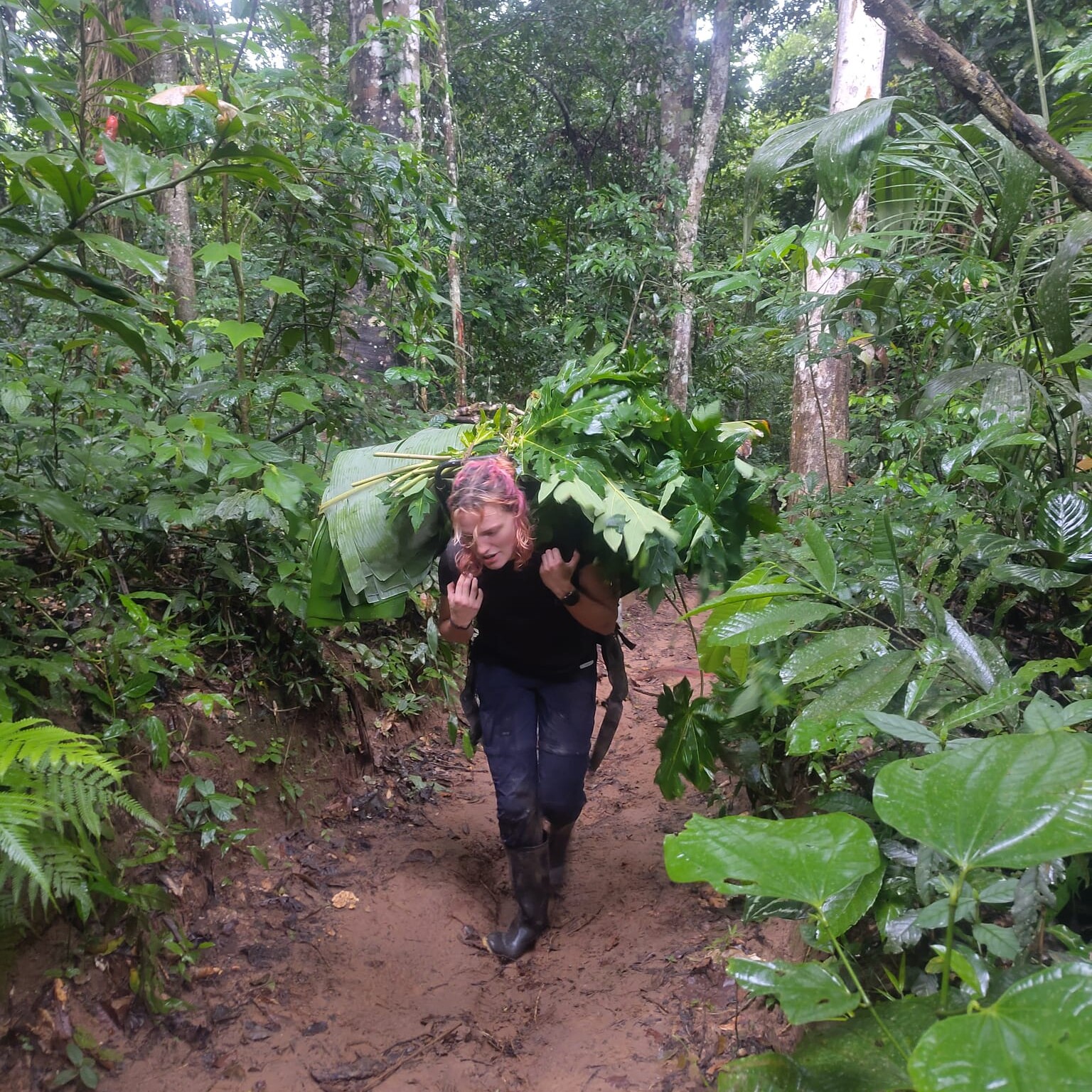
Students also participate in daily support activities that help them understand the broader context of wildlife health, including diet preparation, enrichment, behavioral observation, camera trap monitoring, and field activities related to pre-release and post-release assessment.
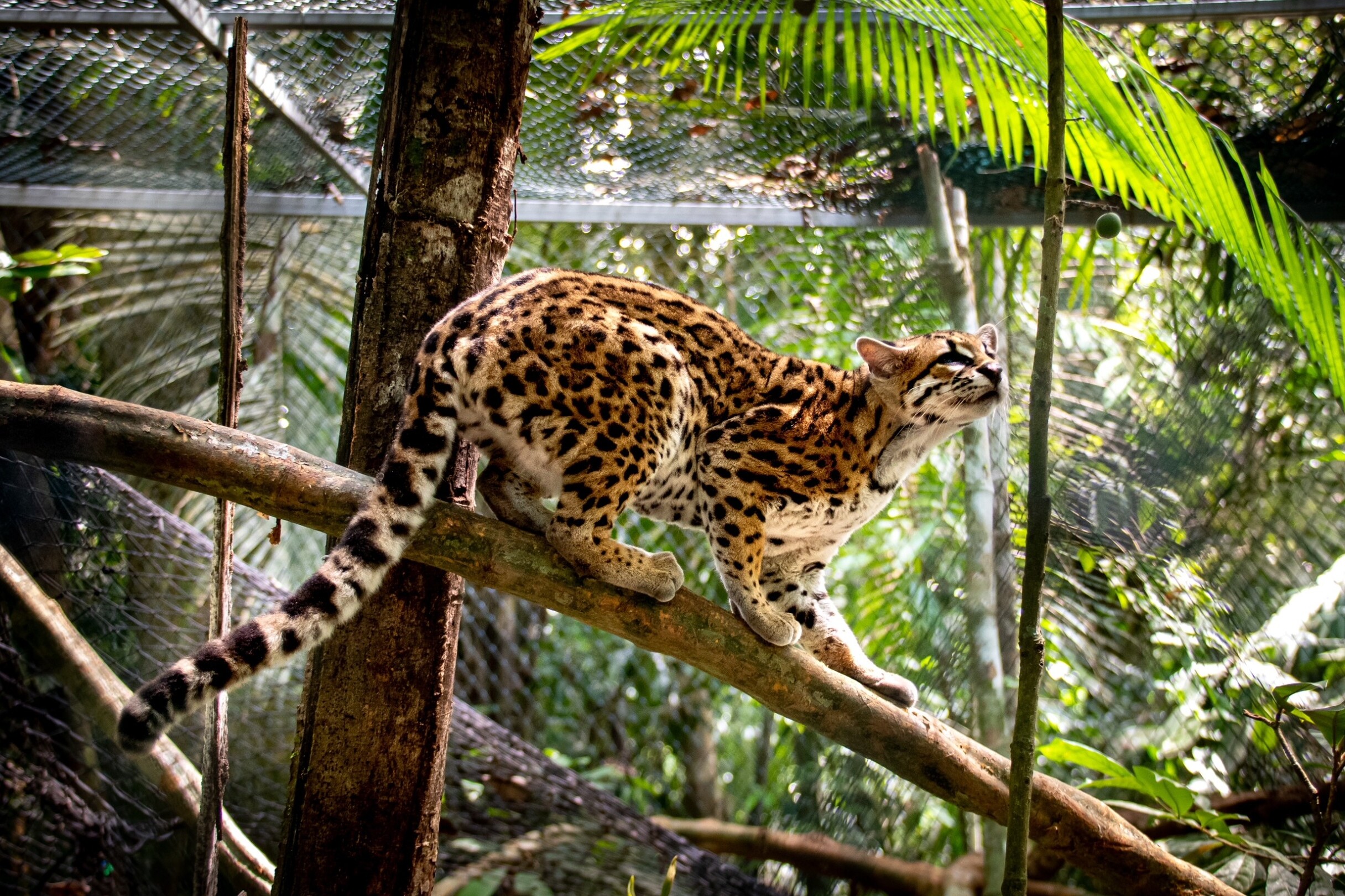
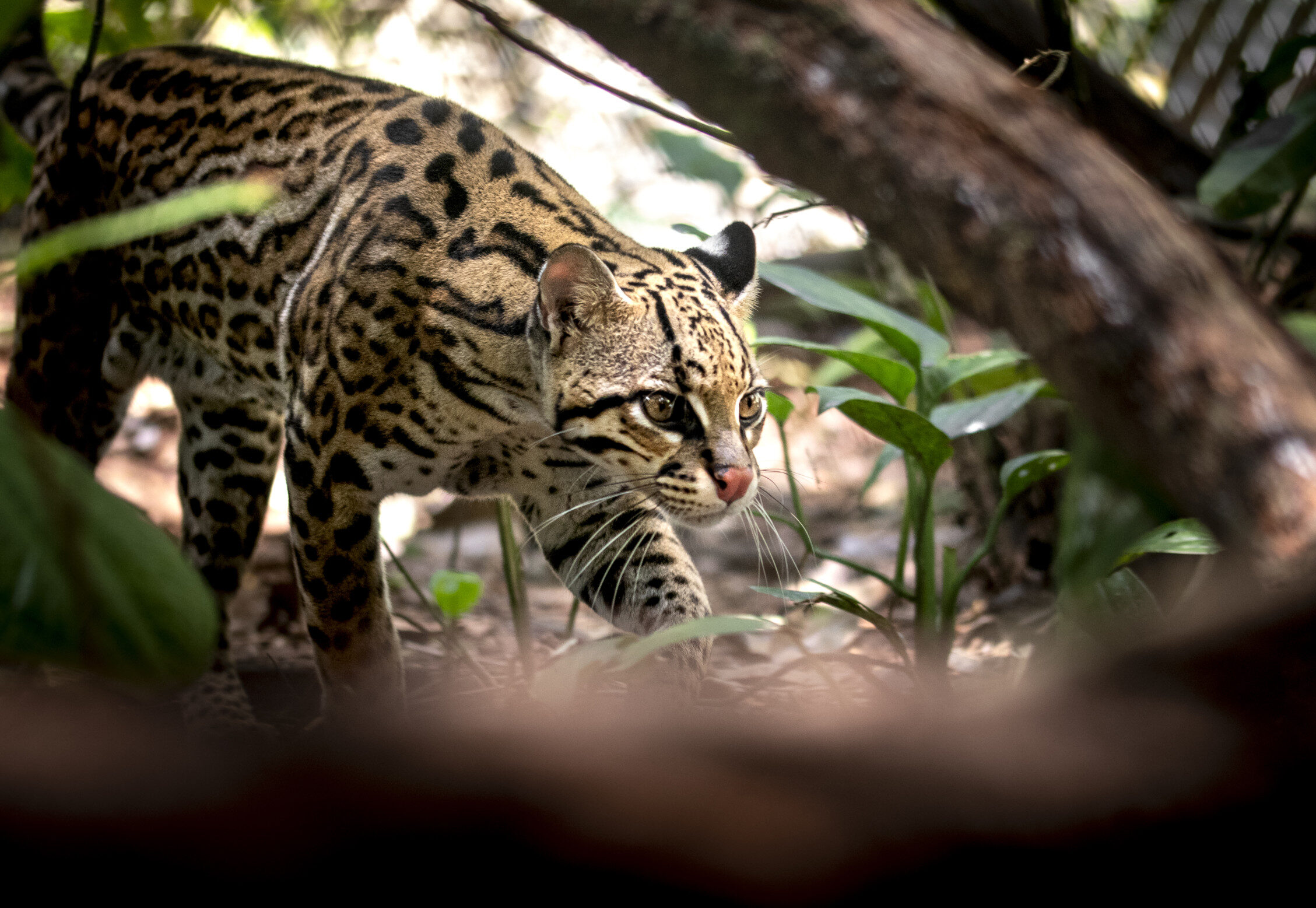
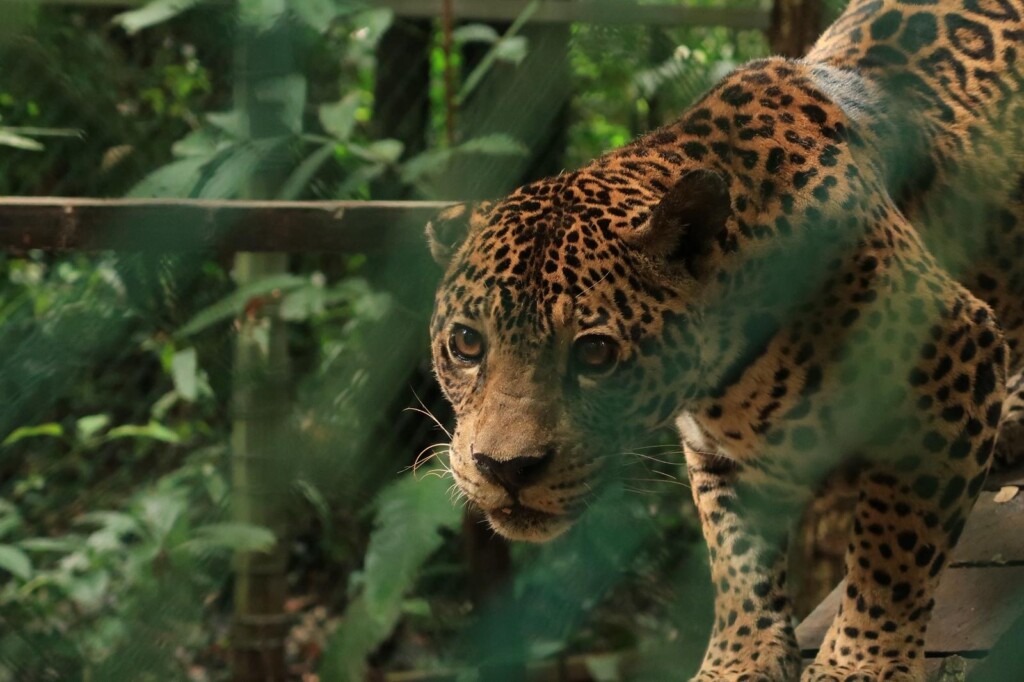
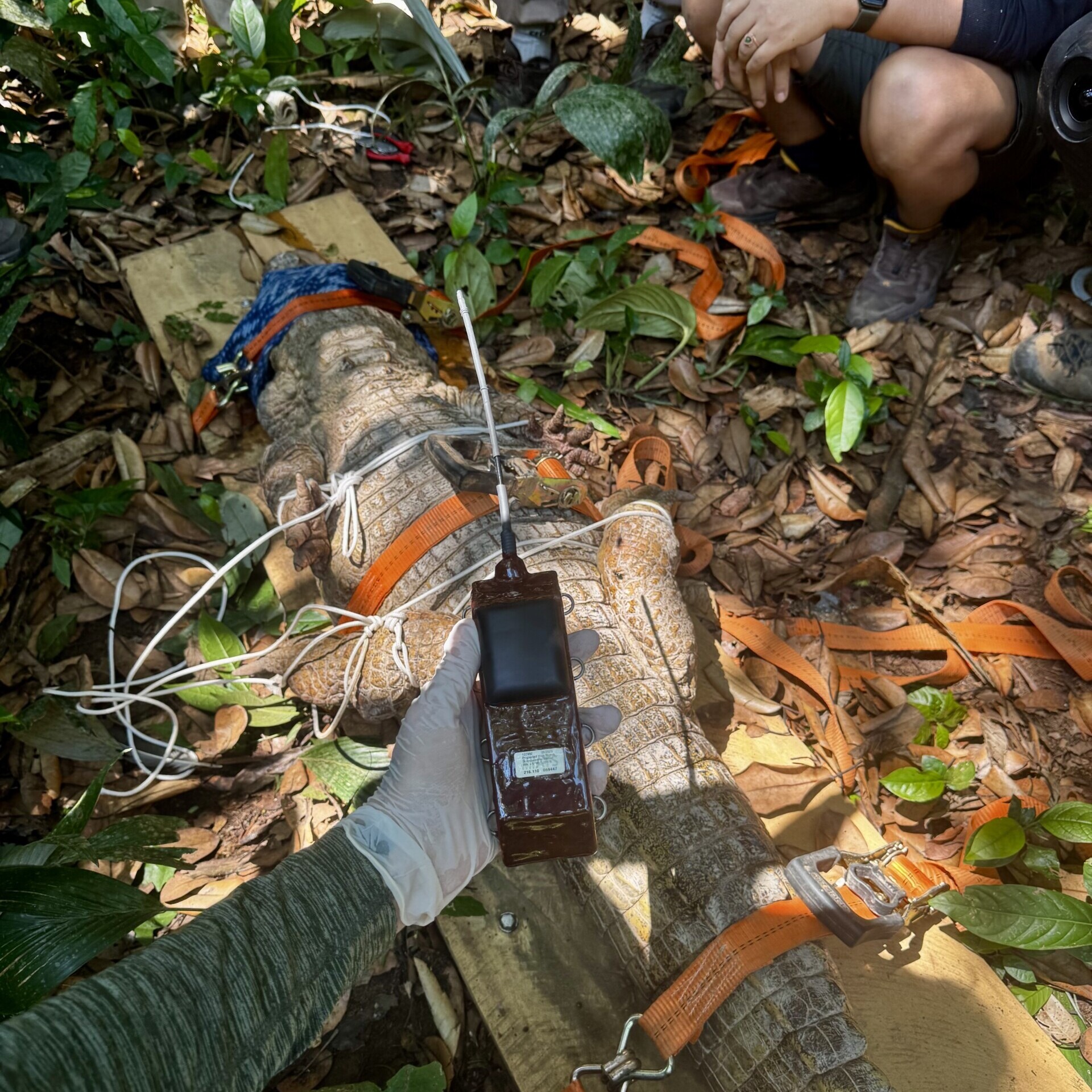
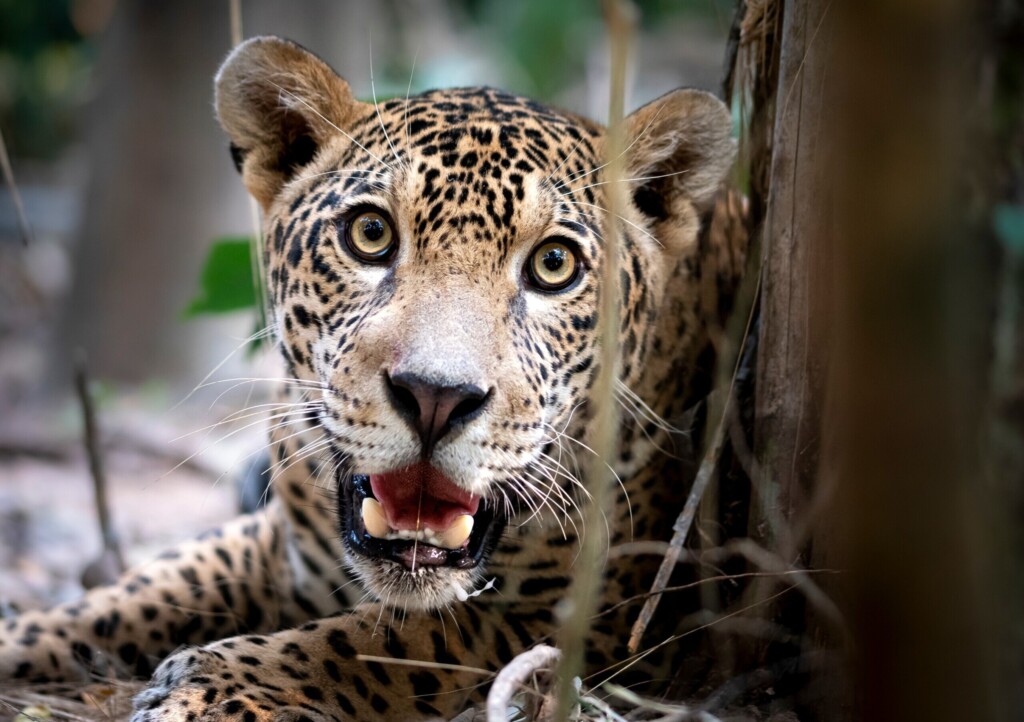
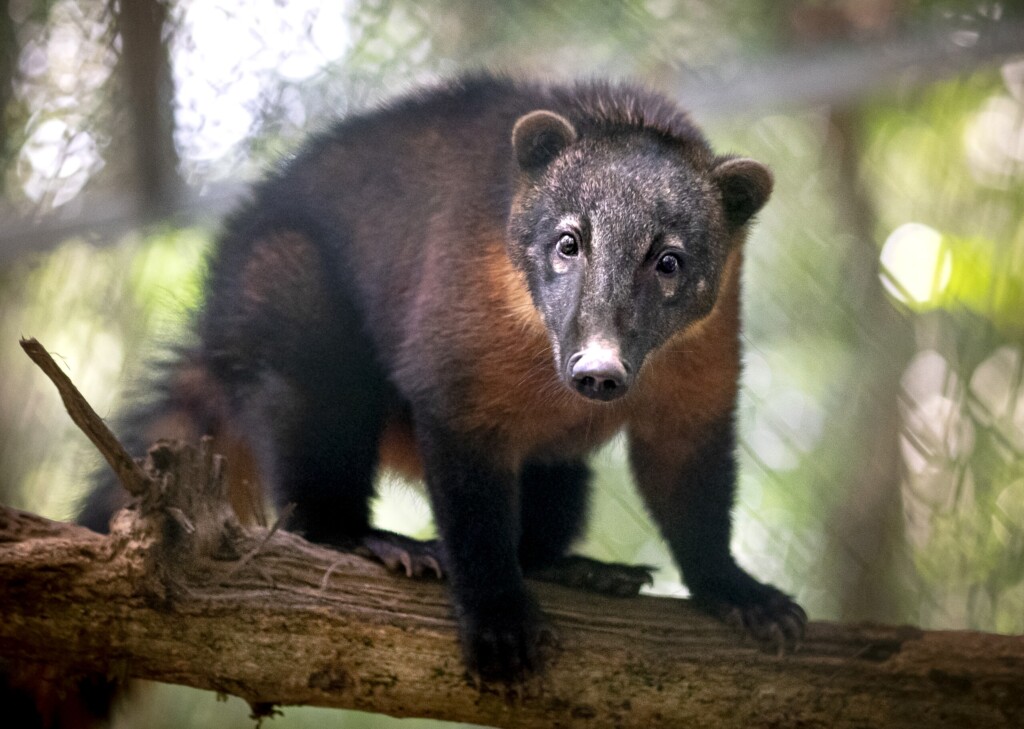
Because this is a working wildlife center, exact species and procedures vary by session. Possible species may include jaguars, pumas, ocelots, margays, jaguarundis, oncillas, collared peccaries, white-lipped peccaries, coatis, kinkajous, tortoises, white caiman, black caiman, and other Amazonian wildlife.
What You'll Learn
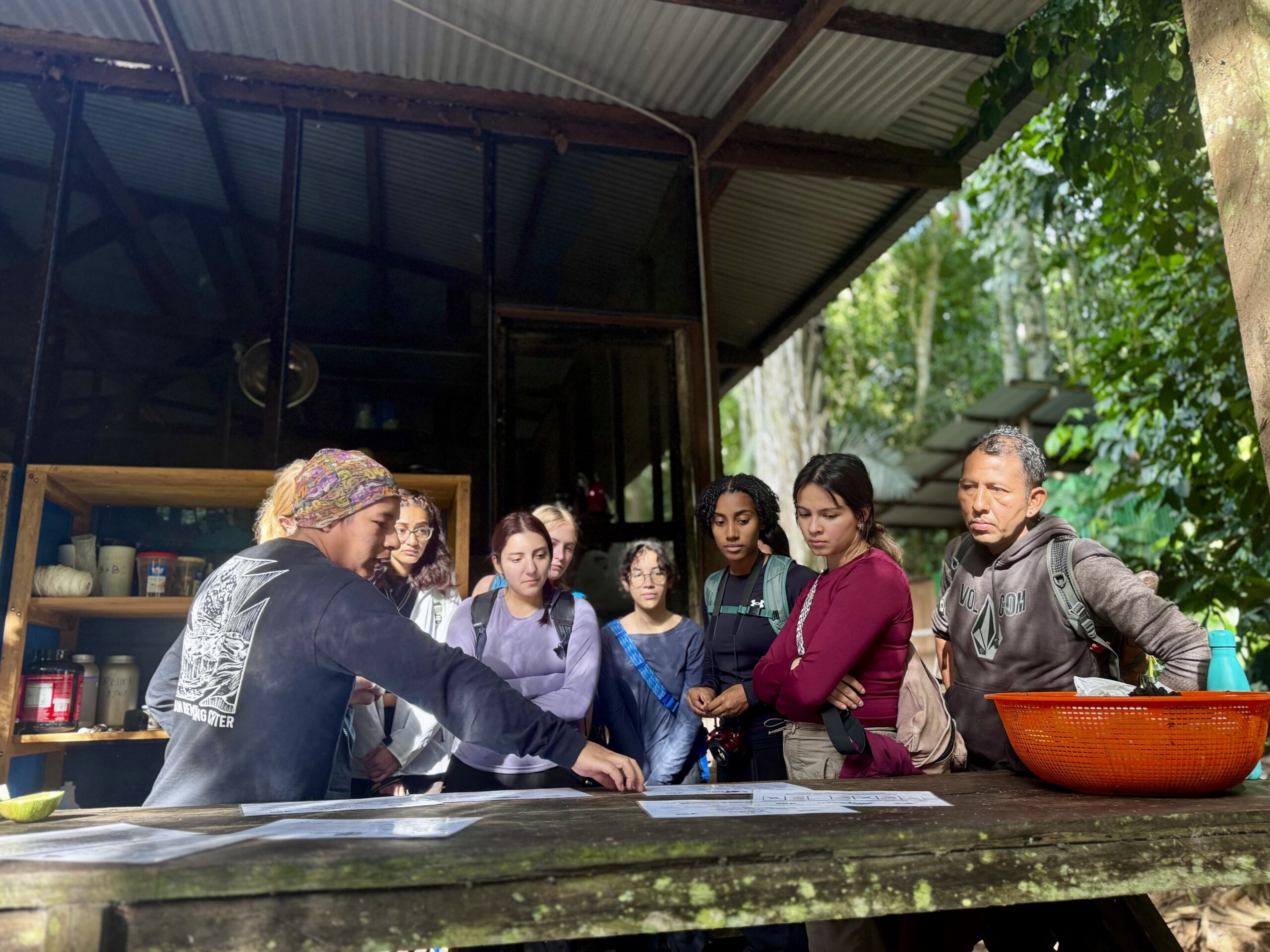
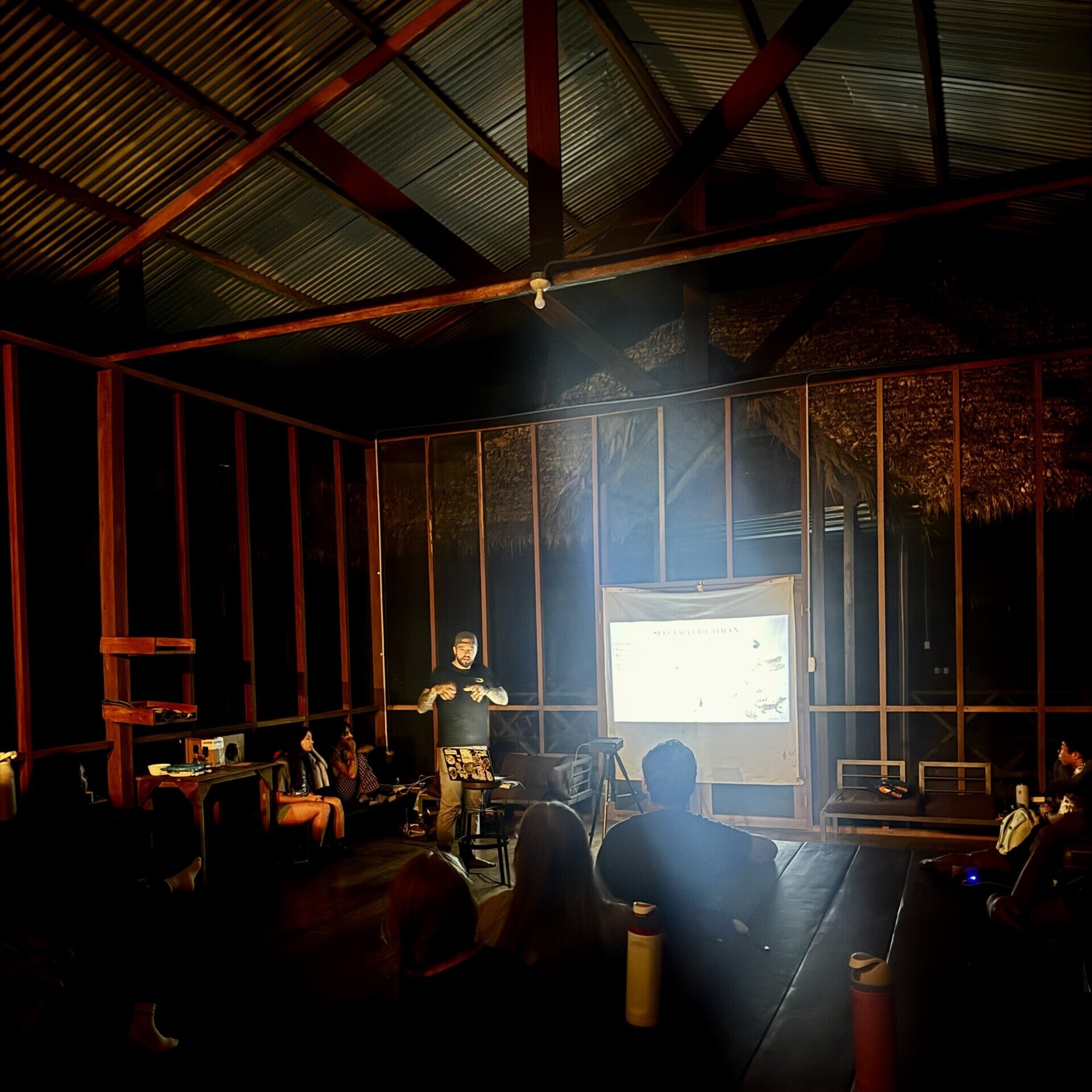
This course combines practical exposure with structured theory. Students learn how veterinarians assess wildlife health, plan safe procedures, collect and interpret diagnostic information, and make decisions that affect rehabilitation and release outcomes.
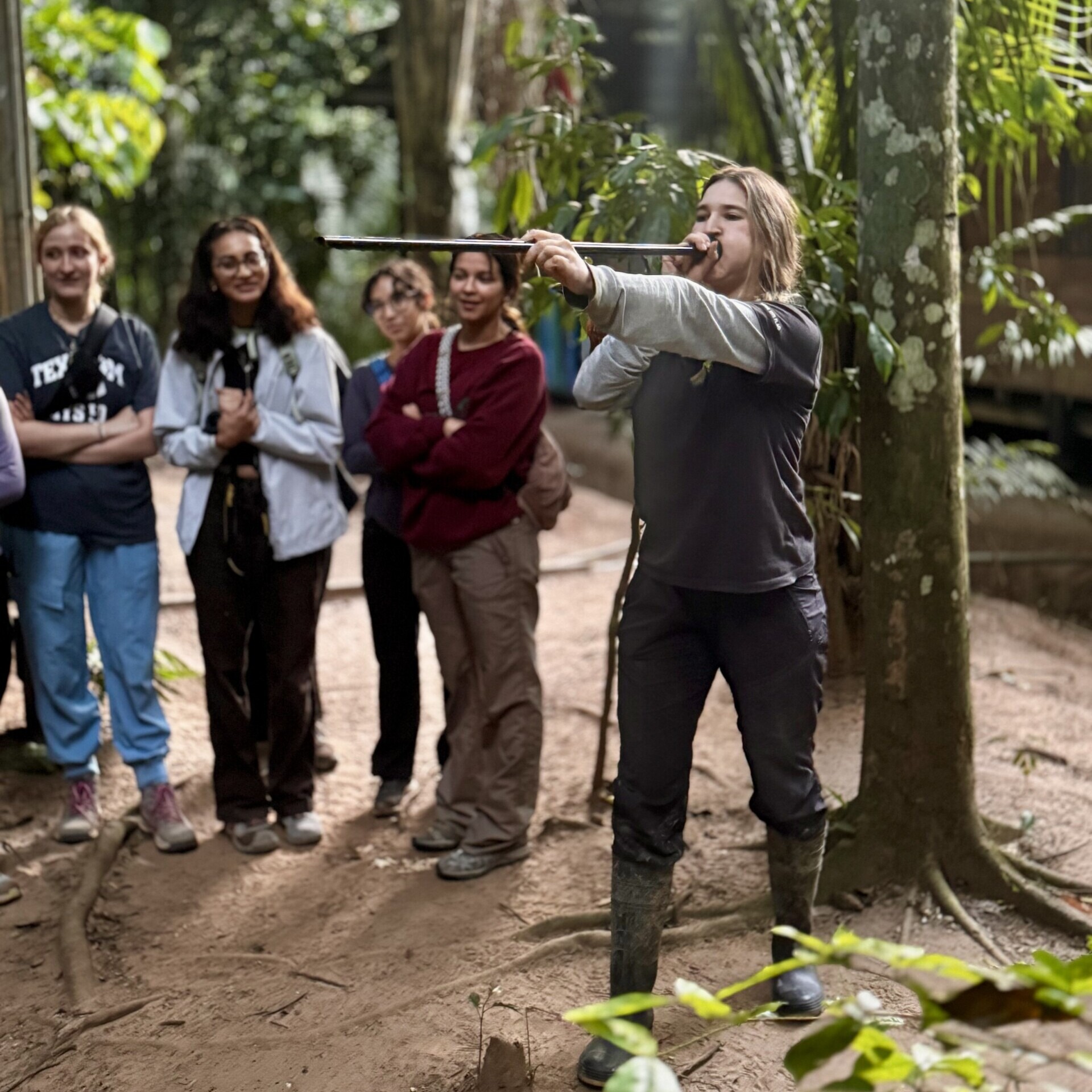
Topics may include wildlife physical exams, clinical observation, animal restraint, chemical immobilization theory, blow dart safety and use, blood collection protocols, hematology and biochemistry, disease screening, genetics sampling, carnivore medicine, reptile and caiman health, nutrition, enrichment, pre-release assessment, post-release monitoring, and sanctuary animal welfare.
The goal is not only to build veterinary experience, but to help students understand how animal health, behavior, ecology, and ethics come together in conservation medicine.
Practical Skill Development
Students receive hands-on training and supervised exposure in areas such as exam preparation, equipment setup, sample labeling, animal measurement, behavioral observation, body condition scoring, veterinary recordkeeping, camera trap monitoring, enrichment design, and field safety.
Participants may also learn blow dart equipment handling and practice darting technique in a controlled training setting. Any live animal handling, chemical immobilization, medication administration, blood collection, or invasive procedure is conducted only by qualified veterinarians or authorized staff, with student involvement determined by safety, animal welfare, legal permissions, and veterinary judgment.
Course Structure
The course runs for three weeks and combines daily practical experience with theory presentations and applied workshops.
Focus
Week 1
Wildlife health foundations, safety, ethics, clinical observation, nutrition, and welfare
Week 2
Health checks, diagnostics, immobilization theory, species-specific medicine, and practical skills
Week 3
Pre-release assessment, post-release monitoring, field methods, case studies, and final integration
Curriculum and Training Modules
The Pre-Veterinary Course combines hands-on experience with a structured series of lectures and applied training sessions. These modules are designed to give participants a realistic understanding of wildlife medicine in a conservation and rewilding context.
Topics are adapted slightly for each session depending on species present, veterinary priorities, and ongoing work at the rescue center, but typically include:
Introduction to wildlife medicine and rewilding systems
Physical exams and clinical observation techniques
Wildlife capture, restraint, and chemical immobilization theory
Blow dart equipment, safety, and application
Blood collection, diagnostics, and disease screening
Hematology and basic biochemistry interpretation
Nutrition, body condition, and pre-release fitness
Carnivore and felid medicine in rehabilitation contexts
Reptile and caiman health and handling considerations
Pre-release assessment and release-readiness criteria
Post-release monitoring and field tracking methods
Sanctuary animal welfare and long-term care
Veterinary ethics, recordkeeping, and professional pathways
Each module is paired with practical exposure whenever possible, allowing participants to connect theory directly to real cases, procedures, and field conditions.
Life At Hoja Nueva
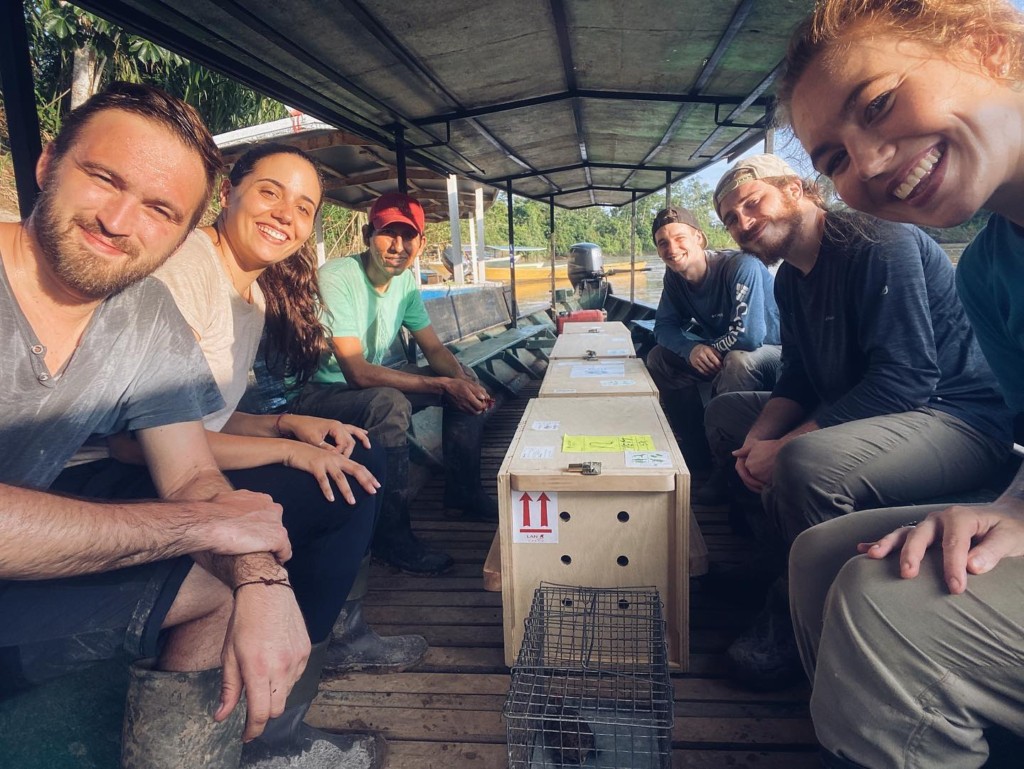
Participants live on-site in the rainforest under the same conditions as interns and course participants. Accommodation is shared and simple, with beds, mosquito nets, communal spaces, solar-powered electricity, composting toilets, showers, hand-wash laundry, and Starlink Wi-Fi available during parts of the day.
All meals are provided. The environment is remote, hot, humid, muddy, and physically demanding, but deeply immersive. Participants should be prepared for insects, rain, limited connectivity, early mornings, and the realities of living and working in the Amazon.
Who This Is For
This course is designed for pre-veterinary students, undergraduate students preparing for veterinary school, early veterinary students, animal science students, biology or conservation students, and motivated individuals pursuing careers in wildlife medicine, conservation medicine, rehabilitation, or animal health.
Some Spanish is a major plus, especially when working with Peruvian veterinarians and local staff, but fluency is not required unless specified for a given session.
Program Details
Duration
3 weeks
Cost
$2,500
Sessions
March and July
Next Session
July 2026 (exact dates to be released)
Cohort Size
Maximum 10 participants
Includes
Accommodation, meals, instruction, course activities, local transport, and field experience
Certification
Participants who successfully complete the course receive a Certificate of Completion documenting their participation in Hoja Nueva’s Pre-Veterinary Wildlife Health + Rewilding Field Course.
Ready to Join Us?
The Pre-Veterinary Course is an opportunity to gain real-world exposure to wildlife medicine, rehabilitation, and rewilding in one of the most biodiverse ecosystems on Earth.
If you’re preparing for a future in veterinary medicine or wildlife health, we’d love to hear from you.